AfriqueUnie
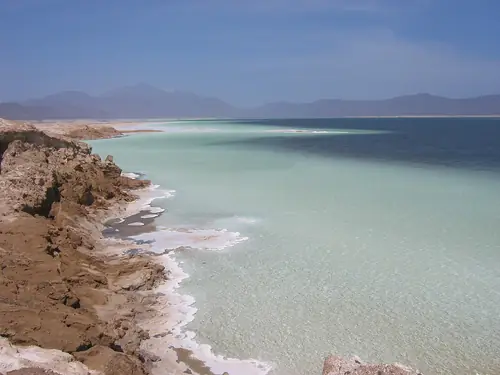
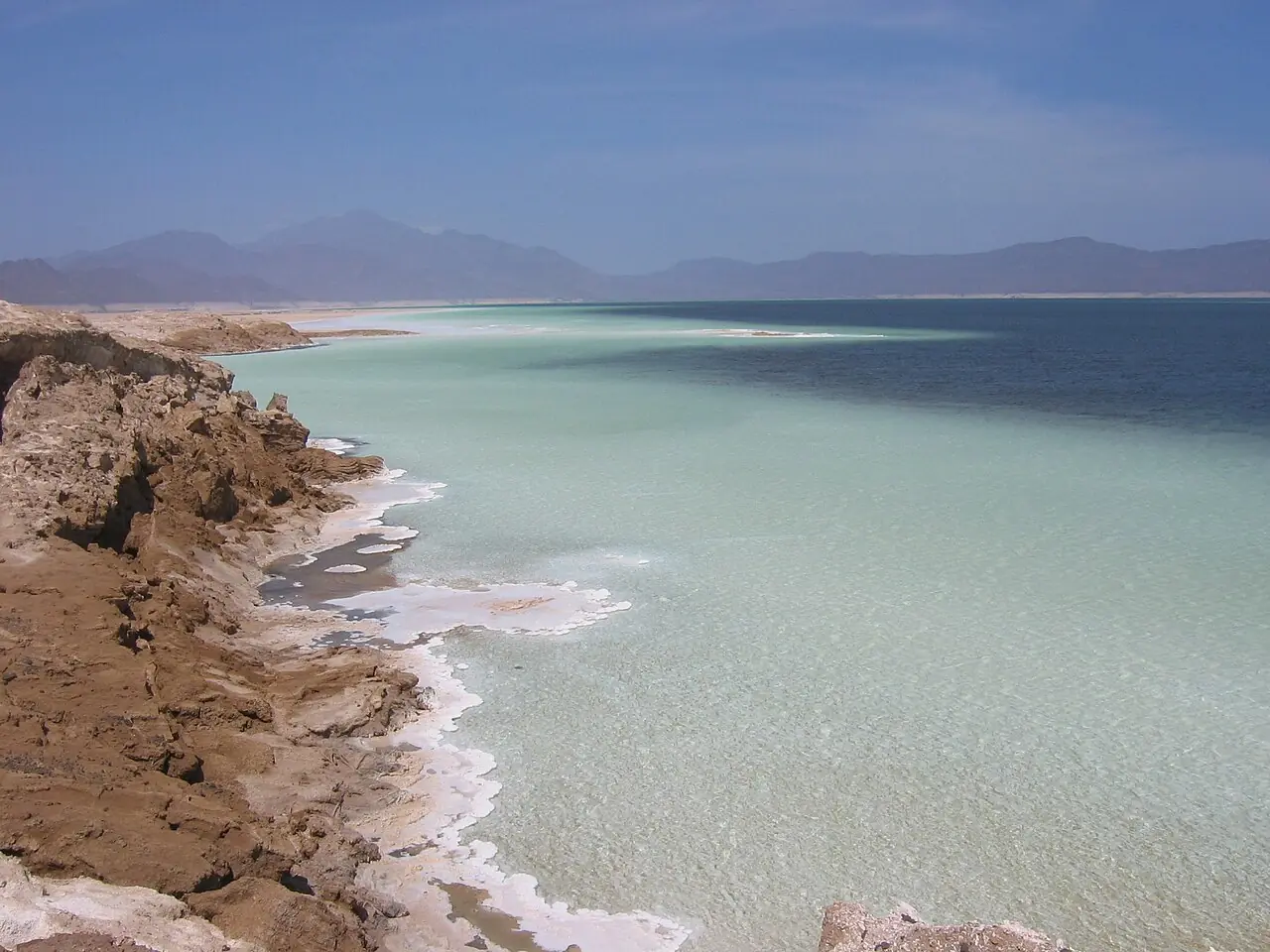 Photo: Tyke · CC BY 3.0
Published by Adama Doumbia, founder of Afrique Unie · updated 28 November 2026 · our method and sources
Daily budget
These are rough figures per person per day, excluding the international flight. They cover accommodation (two people sharing a room), meals, local transport and a few visits.
On a tight budget, allow roughly €60 to €90, in a simple hotel in Djibouti City or a camp, eating at local restaurants and using minibuses. For a comfortable trip, allow about €150 to €250, in a good hotel, with a four-wheel drive and guide for excursions. At the top end, allow €300 or more, in the capital's large hotels or on a private tour.
The country imports almost everything it consumes, and a large international presence pushes prices up in the capital.
What is expensive and what costs next to nothing
- 4x4 excursions: Lake Assal, Lake Abbé or the Day Forest require an off-road vehicle with driver: the biggest cost. The French foreign ministry strongly recommends a French-speaking guide and travelling with two vehicles outside the city.
- Accommodation: Expensive in the capital. Bush camps and guesthouses at Lake Abbé or around Tadjourah are simpler and often full board.
- Sea trips: Diving, the Moucha and Maskali islands or whale shark watching in the Gulf of Tadjourah in season: share the boat to split the cost.
- Local meals: A plate of fish or rice at a local restaurant in Djibouti City is affordable. Expat restaurants and imported goods are expensive.
- Transport: City minibuses cost very little. Agree taxi fares before getting in.
Money: Djiboutian francs, cash and cards
The currency is the Djiboutian franc (DJF), pegged to the US dollar at a fixed rate of about 178 francs to the dollar. Euros and dollars are easy to change in the capital.
The UK government says cards are not widely accepted and that, where they are, you often need a Visa card. Cash machines are mainly in Djibouti City, and some do not take Mastercard. Carry enough cash, especially for excursions outside the capital.
Friday is the weekly day off: banks and government offices are closed, so plan accordingly.
Tips are appreciated by guides, drivers and boat crews.
Visa and passport
Information checked in November 2026. These rules can change: read the official sources again before you travel.
French and British nationals need a visa. The French foreign ministry lists three options: from a Djiboutian embassy, online on the official evisa.gouv.dj portal for short stays and transits, or on arrival for one month, at the discretion of the airline and immigration. The UK says the visa on arrival is paid in cash in US dollars and that you must show proof of onward travel.
The safest option is to apply for the e-visa before you leave, on the official portal. We could not confirm its fee from an accessible official source: intermediary sites quote varying amounts, plus service charges.
Your passport must be valid for at least six months after the date you arrive. For overstays, the French foreign ministry mentions a penalty of 40,000 Djiboutian francs for up to 90 days, with a prison sentence if it is not paid.
Overland from Ethiopia: France formally advises against this crossing, as the route passes through conflict areas. If you do it anyway, you must clear both checks (police then customs), and avoid Fridays and public holidays.
Health and vaccinations
Yellow fever: a certificate is required of travellers aged one year or over arriving from a risk country, including after a transit of more than twelve hours. This applies if you come from Ethiopia. The US CDC does not recommend the vaccine for travel limited to Djibouti: ask a travel clinic, depending on your route.
Malaria is present throughout the country. Prevention combines protection against mosquito bites and, in most cases, preventive medication prescribed by a doctor. The French foreign ministry also reports dengue all year round.
The heat is extreme from May to September: the most pleasant season is generally November to February. Drink plenty and use sun protection. Insurance covering treatment and repatriation is essential.
Before you go: the checklist
- E-visa: Apply on the official evisa.gouv.dj portal, or bring US dollars in cash if you rely on a visa on arrival.
- Passport: Six months' validity on arrival, with a return or onward ticket.
- Areas to avoid: France and the UK formally advise against the border area with Eritrea. France adds the road to Loyada beyond the Décan refuge and the Seven Brothers islands outside approved excursions; the Oued Kalou and Mount Moussa Ali are off limits.
- Official sources: Read the Djibouti page on gov.uk/foreign-travel-advice and the Djibouti page of « Conseils aux voyageurs » on diplomatie.gouv.fr. France places the rest of the country under heightened vigilance.
- Health: Doctor's appointment for malaria prevention, and a yellow fever certificate if you arrive from a risk country.
- Cash and insurance: Euros or dollars, preferably a Visa card, and insurance covering treatment and repatriation.