AfriqueUnie
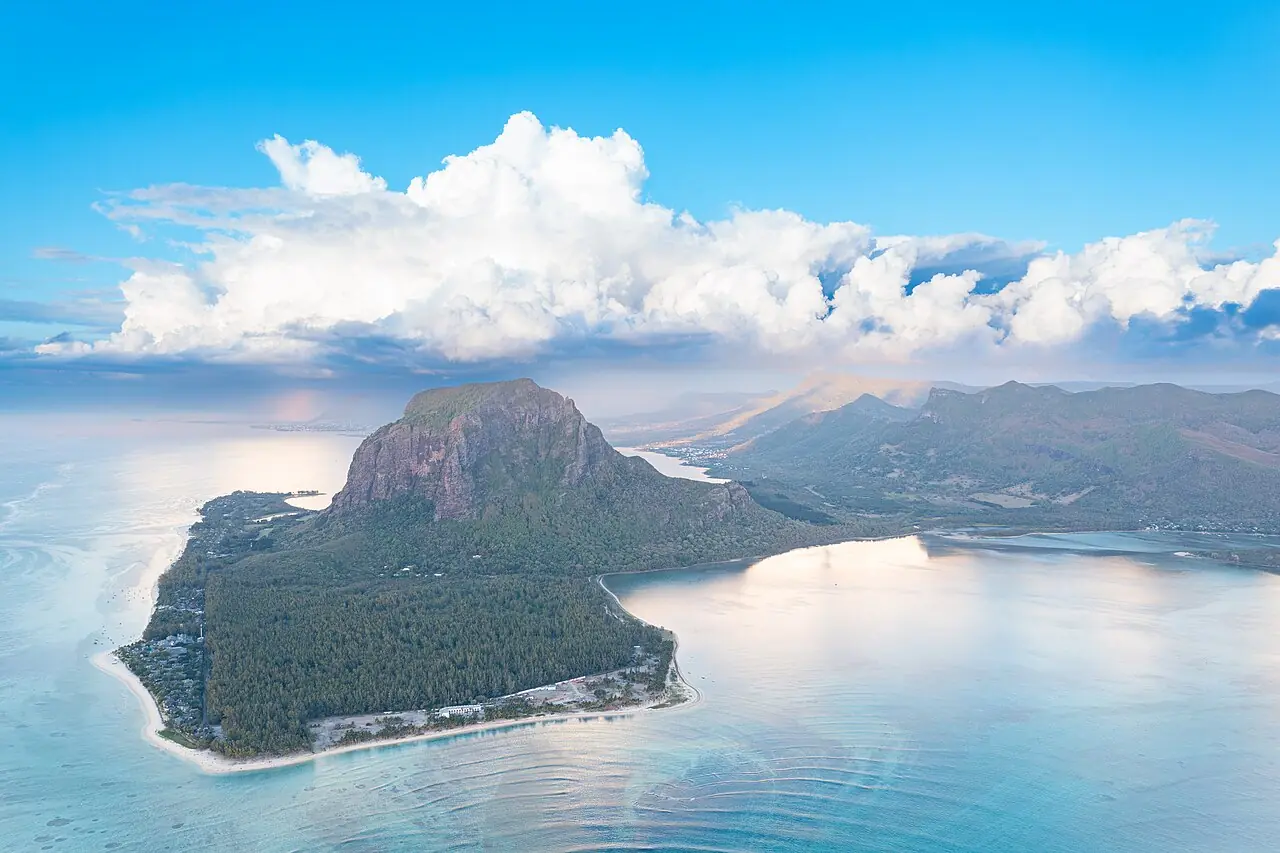 Photo: dronepicr · CC BY 2.0
Published by Adama Doumbia, founder of Afrique Unie · updated 28 November 2026 · our method and sources
Daily budget
These figures are rough guides per person per day, excluding international flights. They cover accommodation, meals, local transport and a few activities.
Low budget: allow around €60 to €90, in a studio or guesthouse, with local meals and the island's buses. Mid-range: around €130 to €220, in a good hotel on half board, with a hire car and a few excursions. High end: from €350, in the large beachfront hotels, and a good deal more in high season.
What is expensive and what costs very little
- Accommodation: This is the biggest cost. Self-catering and guesthouses are far cheaper than beach hotels. Prices peak from December to January.
- Meals: Street food and small Mauritian restaurants are cheap. Hotel restaurants charge prices close to European ones.
- Transport: Buses cover the whole island for a few dozen rupees, but they are slow. A hire car costs around €30 to €50 a day. Driving is on the left.
- Beaches: Public beaches are free.
- Excursions: Catamaran trips, diving, dolphin watching: these soon add up. Compare prices and book with registered operators.
- Parks and gardens: Entry fees remain moderate. Prices change: check the venues' official websites.
Money: rupee, cards and tourist fee
The currency is the Mauritian rupee (MUR). Cash machines are plentiful and Visa and Mastercard are widely accepted in hotels, supermarkets and restaurants. Carry cash for buses, markets and small shops.
Tipping is not compulsory. Check whether service appears on the bill before leaving anything.
According to the travel trade press, a tourist fee of €3 per night per person aged 12 and over has applied in tourist accommodation since October 2025. We were unable to confirm it from an official source: ask your accommodation whether it is included in the price.
Visa and passport
Information checked in November 2026. Rules can change, so check them before you book.
French nationals do not need a visa for a stay of under three months. An entry stamp is placed in your passport on arrival. The length of stay granted is decided by the immigration officer and may be shorter than three months. British sources mention 60 days: if you are planning a long stay, check this point before you leave.
Your passport must be valid for the whole of your stay. You must show a return ticket. The authorities may also ask for proof of accommodation and of funds. Nationals of other European Union countries, the United Kingdom, Switzerland and Canada are also visa-exempt for a tourist stay, according to the sources we consulted. Permitted lengths of stay may differ: check with your own authorities.
Before arrival, every traveller must complete the Mauritius All in One Travel Digital Form. The official address is safemauritius.govmu.org. It is free. Avoid intermediary sites that charge for it.
Residents of Réunion benefit, under certain conditions, from an exemption allowing them to travel on a national identity card. Details are on France Diplomatie.
Health and vaccines
No vaccine is required if you arrive from Europe. A yellow fever vaccination certificate is required of travellers over one year old arriving from a country with a risk of transmission, or who have spent more than twelve hours in transit there. Mauritius uses its own list of countries: check it if you have a stopover in mainland Africa.
There is no malaria in Mauritius. Dengue and chikungunya, spread by mosquitoes, circulate in some years: protect yourself against bites. In 2026, Mauritius also applied Ebola-related entry restrictions for travellers who had been in certain African countries. Check whether they are still in force. For any treatment or vaccine, see a doctor or a travel clinic.
Before you go: the checklist
- Passport: Valid for the whole stay, for every traveller.
- Online form: To be completed on safemauritius.govmu.org in the days before your flight.
- Return ticket: To be shown on arrival, along with the address of your accommodation.
- Tourist fee: Ask whether it is included in your booking.
- Insurance: Travel insurance covering medical costs and repatriation. Bear in mind the cyclone season, from November to April.
- Where to check: France Diplomatie (diplomatie.gouv.fr, Conseils aux voyageurs), gov.uk (foreign travel advice) and the official portal safemauritius.govmu.org.