Beaches sheltered by the coral reef, volcanic mountains, tropical gardens and a fusion cuisine: Mauritius is a safe bet, for families and honeymooners alike.
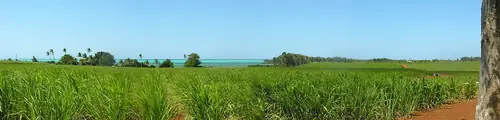
Mauritius is often reduced to its lagoon-side hotels. They exist, and there are plenty of them, but the island deserves far more than a week on a sun lounger. Within an area you can drive across in an hour and a half, it packs in jagged volcanic peaks, forest-clad gorges, sugar-cane fields rippling down to the sea, brightly painted Tamil temples, pagodas, mosques and dressed-stone churches. This concentration makes every day different from the last, without ever spending hours on the road.
The great wealth of Mauritius is its people. Descended from African and Malagasy slaves, indentured labourers from India, Chinese merchants and French settlers, Mauritians have shaped a society where people slip naturally from Creole to French and then English in the same conversation. The calendar lines up Divali, the Chinese Spring Festival, Eid, Cavadee, the Maha Shivaratri pilgrimage to the lake at Grand Bassin, and 1 February, the day commemorating the abolition of slavery. Sega, a dance born in the slave camps and recognised by UNESCO, still rings out on the beaches on festive evenings.
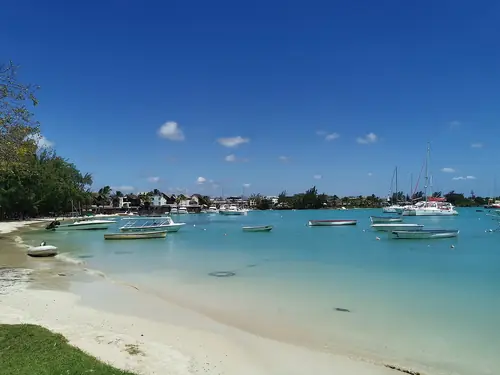
Finally, the island offers a range of activities few people suspect. Hikers climb Le Pouce or Pieter Both to take in the whole island at a glance, explore the trails of the Black River Gorges or head up Le Morne at sunrise. Water lovers will find kitesurfing in the south-west, diving on the drop-offs of the north and west, catamaran trips to the islets, or simply a swim in a lagoon sheltered by the coral reef. And in the evening, nothing beats a plate of mine frit or a dholl puri bought from a street vendor.
History and culture
Known to Arab and then Portuguese navigators, the island was uninhabited when the Dutch settled there at the end of the 16th century, naming it in honour of Prince Maurice of Nassau. They introduced sugar cane and deer, and helped drive the dodo to extinction. The French, who renamed it Isle de France in the 18th century, developed Port Louis and the plantations under the leadership of Governor Mahé de La Bourdonnais, relying massively on slavery.
The British seized the island in 1810 but kept the French language and legal system. After slavery was abolished in 1835, hundreds of thousands of Indian indentured labourers landed at the Aapravasi Ghat, now a UNESCO World Heritage Site, profoundly transforming society. Mauritius gained independence in 1968, became a republic in 1992 and has established itself as one of the most stable democracies on the continent.
8 experiences not to miss in Mauritius
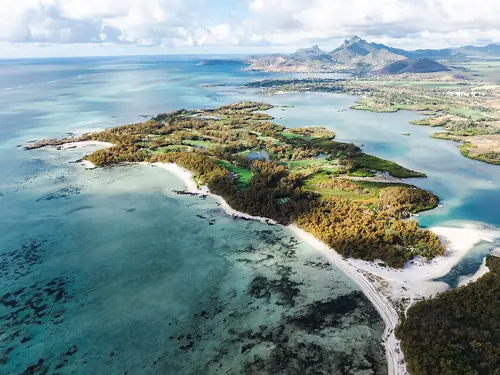
Photo : dronepicr · CC BY 2.001Climb Le Morne at dawnThe hike to the summit of Le Morne Brabant gives you views over the lagoon and reefs of the south-west.
Photo : mwanasimba · CC BY-SA 2.002Sail to the northern isletsCatamarans head out to Gunner's Quoin, Flat Island or Gabriel Island for swimming and snorkelling.
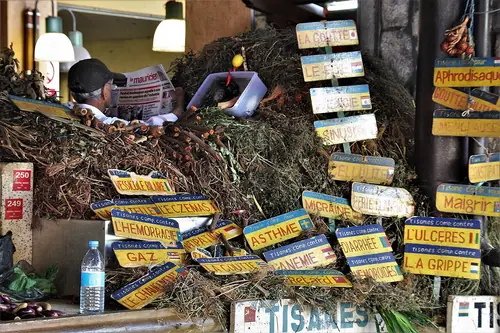
Photo : Sushil Dawka · CC BY-SA 4.003Stroll through the Port Louis marketFruit, spices, medicinal herbs and street snacks under the capital's central market hall.
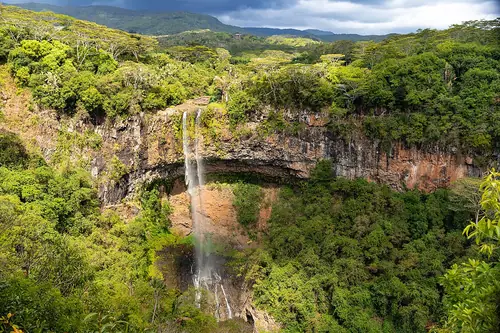
Photo : carrotmadman6 · CC BY 2.004Explore the Black River GorgesThe island's largest national park protects endemic forests, waterfalls and rare birds.
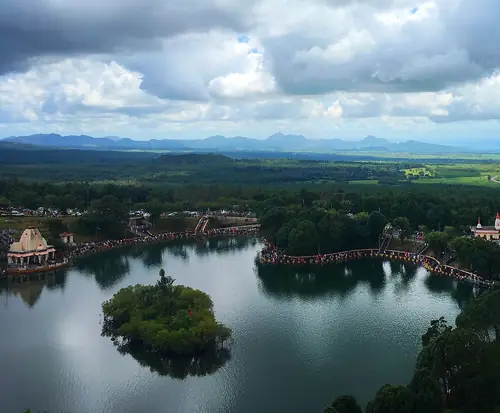
Photo : Starts · CC BY-SA 4.005Make the pilgrimage to Grand BassinThis crater lake, sacred to Hindus, is surrounded by temples and huge statues of deities.
Photo : Hansueli Krapf · CC BY-SA 3.006Visit a rum distillerySeveral distilleries offer tastings of agricultural and infused rums, surrounded by cane fields.
07Swim with dolphinsOff Tamarin, dolphins are common, provided you choose a responsible operator.
08Join a sega eveningDancing, the ravanne drum and Creole songs liven up beaches and village festivals.
When to go to Mauritius
Mauritius can be visited all year round, but the climate varies. From May to November the southern winter brings dry, sunny and mild weather, with pleasant temperatures for hiking; the trade winds blow hard on the east and south coasts, ideal for kitesurfing. October to December is often considered the best time, hot and dry. From January to March the summer is hot and humid, with tropical downpours and a risk of cyclones. The west coast stays the driest and sunniest all year, while the central plateau is cooler and wetter.
Getting around
All international flights land at Sir Seewoosagur Ramgoolam Airport in the south-east of the island. Hiring a car is the most flexible way to explore, but driving on the left, narrow roads and traffic jams around Port Louis call for vigilance. The bus network is extensive and cheap, but slow and irregular in the evening. Taxis are plentiful; agree on the fare before setting off. The light-rail Metro Express links Port Louis to Curepipe through the towns of the central plateau, a handy way to avoid the traffic.
Etiquette and customs
Mauritians are warm and welcoming, and the island's religious diversity calls for respect of local customs. Before entering a Hindu temple, a mosque or a pagoda, take off your shoes, cover your shoulders and legs, and ask permission before taking photos. Topless sunbathing is frowned upon on public beaches. On Sundays Mauritian families flock to the beaches with picnics and music; share the space good-humouredly. A “bonzour” or a “ki manière?” in Creole will always be appreciated. Respect the coral too, and don't walk on it.
Food and drink in Mauritius
Mauritian cooking reflects the island's many origins. Dholl puri, a thin flatbread filled with split peas and topped with vegetable curry, rougaille and chutney, is eaten on the go in the street. Rougaille, a sauce of tomatoes, onions, garlic and chillies, goes with fish, sausages or ourites, octopus. Mine frit, stir-fried noodles of Chinese origin, and bol renversé bear witness to the Sino-Mauritian influence. Gâteaux piments, spicy split-pea fritters, are everywhere. Try too fish vindaye, marinated in mustard and turmeric, the briani served at celebrations and alouda, a milky drink with basil seeds.
late February or early March, following the Hindu lunar calendar; Hindu calendars give Saturday 6 March 2027, but the official Mauritian public holiday date has not been published yet · Grand Bassin (Ganga Talao)
The best time to visit Mauritius: May to December.
What should I see first in Mauritius?
The must-sees: Le Morne Brabant, Seven Coloured Earths (Chamarel), Île aux Cerfs, Pamplemousses Botanical Garden.
Which cities should I visit in Mauritius?
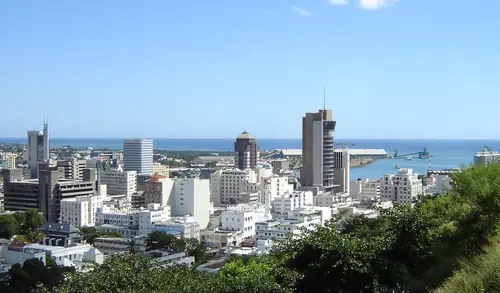
Port Louis, Grand Baie, Mahébourg. The capital is Port Louis.
How much should I budget for a trip to Mauritius?
Mid-range: around €60–120 per person per day, excluding flights. This is only a guide and depends above all on the accommodation and activities you choose.
What currency and languages are used in Mauritius?
The main international airport has the code MRU. Compare flights with the ‘Flights’ button on this page.
Do I need a visa to visit Mauritius?
Entry requirements depend on your nationality and change regularly. Check them on the country's official website or with your foreign ministry before booking, and make sure your passport is valid.
What should I eat in Mauritius?
Dishes to try while you're there: Dholl puri, rougaille, mine frit.
The Metro Express, a modern light rail line, links Port Louis with Curepipe via Rose Hill and Quatre Bornes, with a branch to Ebène and Réduit. A dense bus network covers the whole island, with less frequent service in the evening and on Sundays. Taxis are plentiful, but agree on the fare before setting off. Renting a car is the most flexible way to explore the coasts and the wild south; traffic drives on the left. Air Mauritius runs flights to Rodrigues island.
Health and safety
Yellow fever
No certificate required on entry; vaccine generally not recommended.
Malaria
No transmission reported.
Water and food
Unless your accommodation says otherwise, drink sealed bottled or filtered water, and wash your hands often.
Affiliate cookiesWe would like to load a script from our partner Travelpayouts. It may set cookies so that we receive a commission when you book through our links, at no extra cost to you. If you decline, the site works in exactly the same way. Find out more
 AfriqueUnie
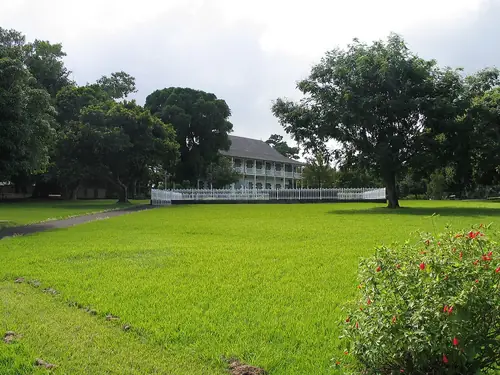
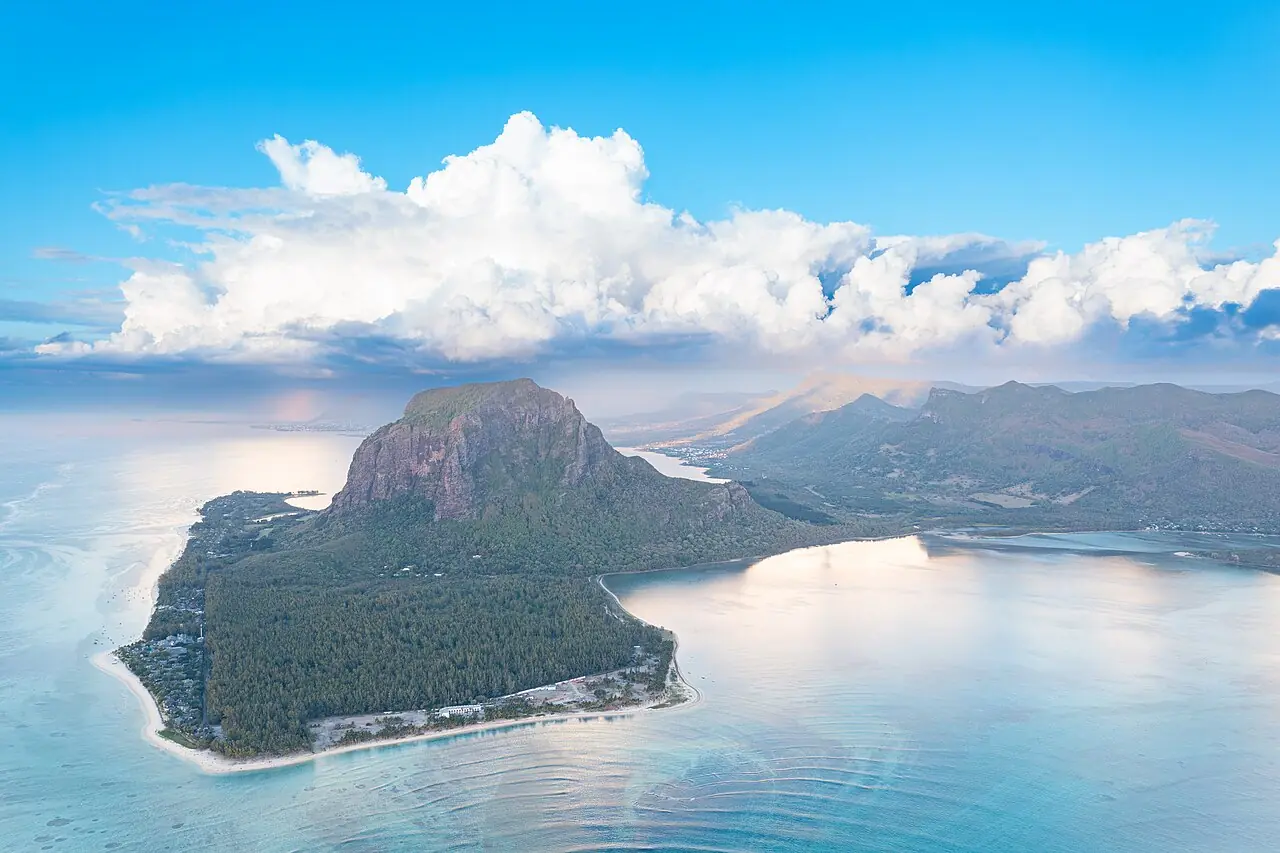 Photo: dronepicr · CC BY 2.0
 Mauritius

 Mauritius or Seychelles
 Mauritius or Madagascar
 Mauritius or Tanzania (Zanzibar)
 Comoros