AfriqueUnie
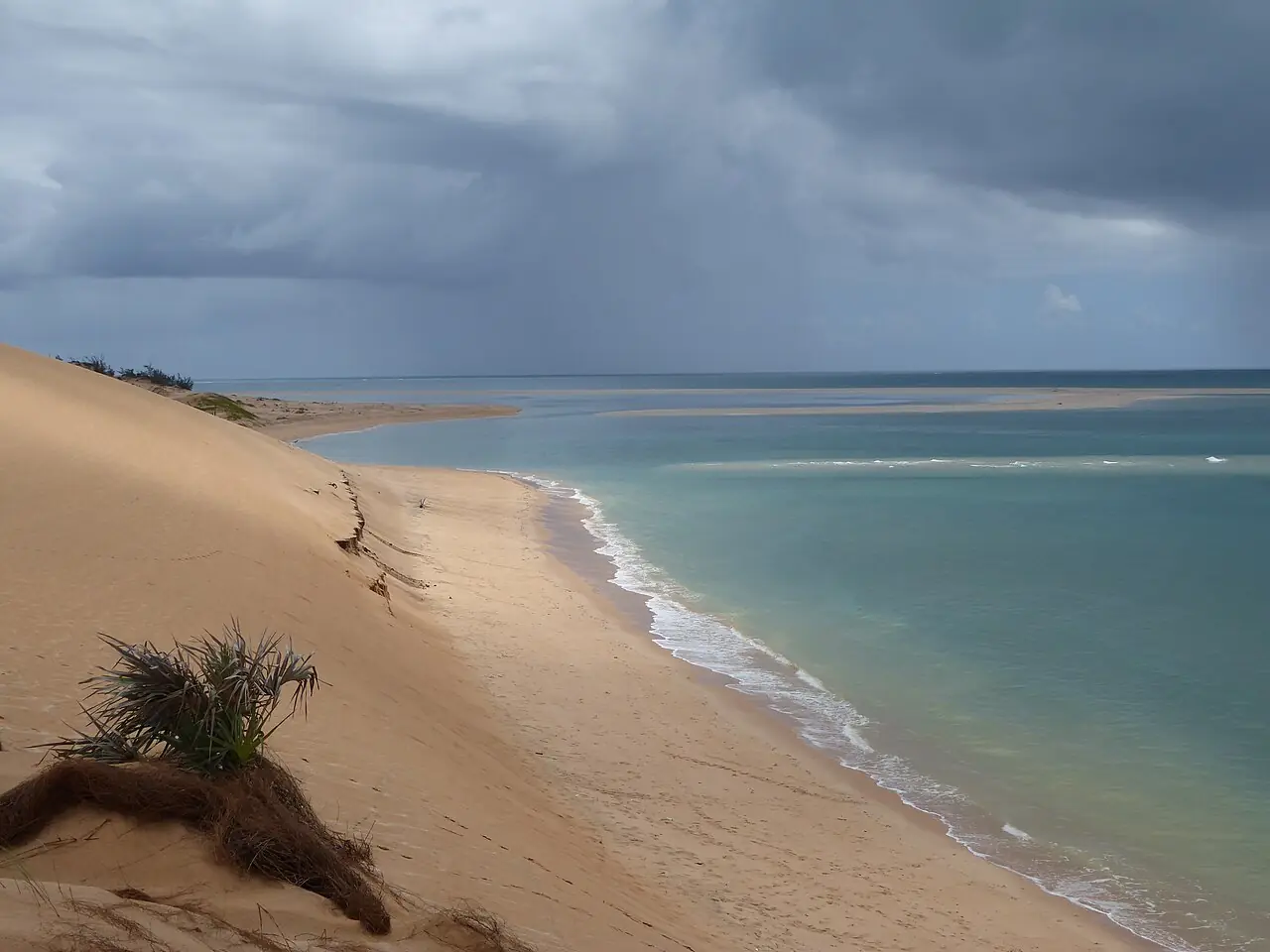 Photo: Cornelius Kibelka from Berlin, Germany · CC BY-SA 2.0
Published by Adama Doumbia, founder of Afrique Unie · updated 28 November 2026 · our method and sources
Daily budget
These are rough figures per person per day, excluding the international flight. They cover accommodation (two people sharing a room), meals and local transport.
On a tight budget, allow roughly €40 to €70, staying in hostels or simple bungalows, eating local food and travelling by bus. For a comfortable trip, allow about €100 to €200, with a mid-range beach lodge or hotel and a few boat trips or dives. At the top end, allow €400 or more, and much more in the island lodges of the Bazaruto archipelago, often reached by plane or private boat.
Distances are huge: a domestic flight or private transfer can weigh heavily on the budget. Prices rise during South African school holidays and at the end of the year.
What is expensive and what costs next to nothing
- Islands and lodges: This varies the most: from a simple beach bungalow to a luxury island lodge, the gap is enormous.
- Domestic flights: Maputo, Vilankulo, Inhambane, Nampula: flights save days on the road, but they are expensive.
- Diving and boat trips: Diving, whale shark or manta ray trips, dhow cruises: the main activity, and a budget line of its own.
- Parks: Gorongosa and the reserves charge entry fees and for activities. Check prices with each park.
- Local meals: Grilled fish, prawns or matapa at a market or local canteen cost a few euros, far less than a hotel restaurant.
Money: metical, cards and cash
The currency is the metical (MZN). According to the French foreign ministry, it is easy to withdraw from the many cash machines with an international card, preferably Visa, as the Mastercard network is more limited. Withdraw on weekdays and in larger towns, as machines can run out of notes. Avoid cash machines at night and use those in bank branches.
Cards are increasingly accepted in shops and hotels in the larger cities, especially Maputo. Elsewhere you need cash. Euros, US dollars and rand are accepted in many places, but it is better to change them into meticais.
You must declare cash of 10,000 meticais or more, or foreign currency worth 5,000 US dollars or more. Tips are appreciated in restaurants and for guides and boat crews.
Electronic travel authorisation (ETA) and passport
Information checked in November 2026. These rules can change: read the official sources again before you travel.
For a tourist or business stay of up to 30 days, British and French nationals must get an electronic authorisation before they travel, on the official portal evisa.gov.mz, choosing the tourism option. Apply at least five working days before your trip: airlines may ask to see it at check-in. You pay online and cannot pay at the border.
The UK government puts the total at about 47 US dollars and the French foreign ministry at about €40, visa and processing fees included: check the amount on the portal. You need a photo, a copy of your passport, a return ticket and hotel bookings, which must be paid for. Your passport is stamped on arrival: carry a printed copy of the approval and payment receipt, and check the dates on the stamp.
Passport: the UK government asks for six months' validity after arrival, the French ministry six months after the end of your stay, with at least two blank pages, and officials are strict. A child needs an unabridged birth certificate naming both parents, plus a notarised consent affidavit if not travelling with both. Other EU, Swiss and Canadian nationals should check their own case.
Health and vaccinations
Yellow fever: a certificate is required from the age of one if you have stayed in a country at risk or transited there for more than 12 hours; the French foreign ministry publishes the list of countries concerned. In principle it is not required for a direct flight from Europe. Your vaccination record may be checked at the airport, and a polio vaccination certificate may be requested in some circumstances.
Malaria is present throughout the country, including on the coast and in Maputo. Bite avoidance and preventive medication should be decided with a doctor.
Cholera outbreaks occur regularly, notably in Sofala, Maputo and Nampula provinces: do not drink tap water. Check your routine vaccines and ask about hepatitis A, typhoid and rabies. Medical care is limited outside Maputo: repatriation cover is essential.
Before you go: the checklist
- Online authorisation: Apply at evisa.gov.mz at least five working days before departure; print it with the payment receipt.
- Passport: Six months' validity, counted from the end of your stay to be safe, and at least two blank pages.
- Bookings: Paid accommodation and a return ticket: both are needed for the authorisation and on arrival.
- Health: See a doctor about malaria; bring your vaccination record and a yellow fever certificate if you are coming from a country at risk.
- Official sources: The Mozambique page on gov.uk/foreign-travel-advice and the Mozambique page of « Conseils aux voyageurs » on diplomatie.gouv.fr: both advise against travel to Cabo Delgado province and to parts of Niassa and Nampula provinces.
- Caution: Crime has risen in Maputo: do not carry valuables, avoid driving at night and follow weather warnings in the cyclone season, December to March.