2,500 km of Indian Ocean coastline, dream archipelagos and a capital with Latin charm. The far north (Cabo Delgado) suffers from persistent insecurity: check before you go.
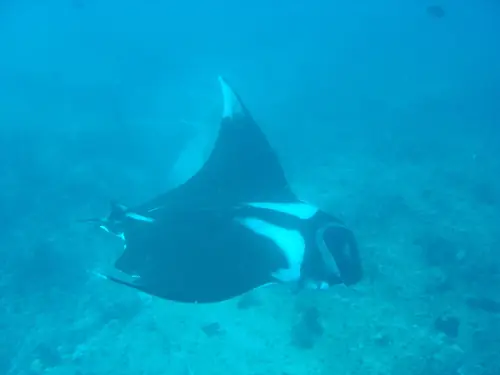
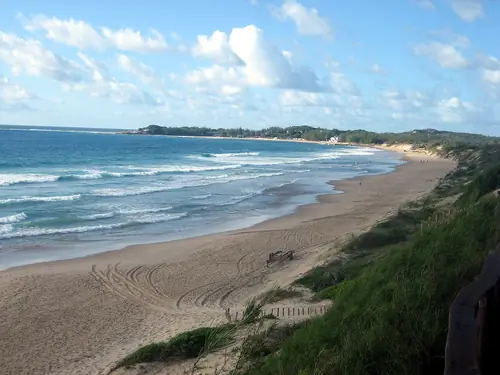
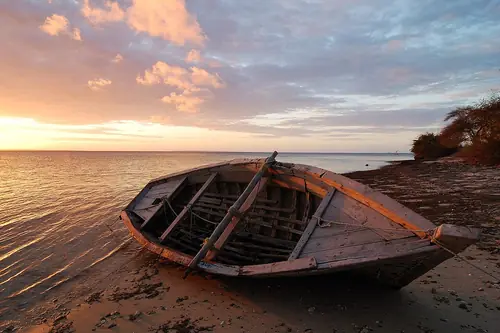
Mozambique is a place to experience barefoot. Along more than two thousand kilometres of coastline, the Indian Ocean unfurls beaches fringed with coconut palms and dunes, lagoons of an almost unreal blue, archipelagos of white sand and reefs patrolled by manta rays, whale sharks, turtles and dolphins. Dhows, the triangular-sailed boats inherited from trade with Arabia and India, still glide between the islands. Here life follows the rhythm of the tides: you rise with the fishermen, lunch on grilled prawns under a thatched shelter and watch the sun go down to the sound of marrabenta.
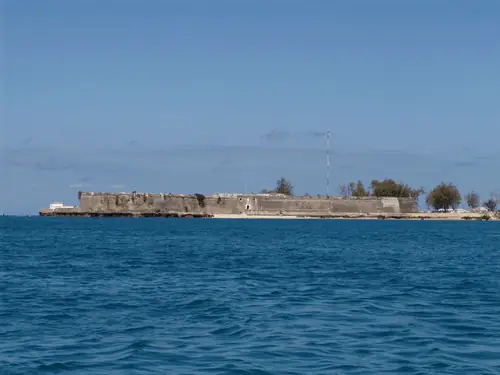
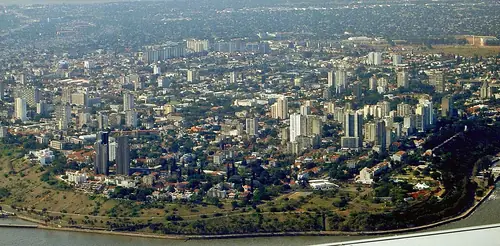
The country also has a flavour found nowhere else in southern Africa: a Portuguese heritage blended with African, Swahili and Indian cultures. In Maputo you sip coffee on a terrace along an avenue lined with flame trees, dine on piri-piri fish to the sound of Mozambique's sung Portuguese, and admire the modernist architecture of the 1950s and 1960s. On Mozambique Island, an entire town of stone and lime tells five centuries of Indian Ocean history.
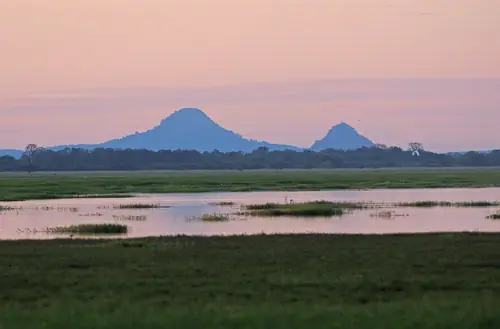
Long scarred by war, Mozambique is rebuilding itself and gradually opening up. Gorongosa National Park, devastated during the conflict, has become one of the finest examples of ecological restoration in Africa. Tourism remains on a human scale, often in small family-run places, eco-lodges and guesthouses. You do, however, need to travel well informed: the far north, Cabo Delgado Province, has suffered an armed insurgency and persistent violence since 2017, and the authorities of many countries advise against travelling there. Check your government's official travel advice before setting off, and stick to the south and centre, where most of the sights are concentrated.
History and culture
Long before the Europeans arrived, Mozambique's coasts were part of the Swahili world, trading with Arabia, Persia and India: gold, ivory and slaves came down from the interior, while cloth and beads arrived by sea. Vasco da Gama landed on Mozambique Island in 1498, and the Portuguese gradually established their rule. The colony, long administered from the island, saw its capital moved to Lourenço Marques, today's Maputo, at the end of the 19th century.
FRELIMO waged a liberation war from 1964 and won independence on 25 June 1975, with Samora Machel as the first president. The country then plunged into a devastating civil war pitting the government against RENAMO until the Rome peace accords of 1992. Despite recurring tensions, Mozambique has since embarked on a far-reaching reconstruction.
05Humpback whalesIn the southern winter, watch the whales travelling along the coast to breed, often from the beach.
Photo : Judy Gallagher · CC BY 2.006A safari in GorongosaDiscover a park in the midst of a revival, with its lions, elephants and community programmes.
07Marrabenta in MaputoListen to the country's urban music in a bar or cultural centre on a Friday night.
The cool dry season, from May to October, is ideal: clear skies, pleasant temperatures, calm seas and a low risk of malaria. It is also humpback whale season, roughly from June to October, along the southern coast. Whale sharks and manta rays are present for much of the year at Tofo, with variable peaks. The rainy season, from November to April, brings heat and humidity, with a risk of cyclones from January to March, particularly in the centre and north. The Christmas and New Year holidays draw many travellers from South Africa to the south of the country, so book early.
Getting around
The distances are considerable: the country stretches some two thousand kilometres from north to south. Domestic flights link Maputo with Vilankulo, Inhambane, Beira, Nampula and Pemba, and are often the most practical option. The EN1 national highway runs along the coast and connects most destinations, with some stretches in good condition and others more battered. Chapas, shared minibuses, are everywhere but far from comfortable. Driving is on the left. Police checks are frequent, so always carry your passport, licence and vehicle documents. Driving at night is not recommended.
Etiquette and customs
Portuguese is the common language, and a few words, “bom dia”, “obrigado” or “obrigada”, will open hearts. Mozambicans are warm and attach great importance to greetings, which come before any conversation. Beachwear belongs on the beach: in town, and especially in the predominantly Muslim north, dress more modestly. Ask before photographing anyone, and avoid photographing government buildings, bridges or the police. Time is elastic, and patience is a precious virtue. In villages, if you are staying several days, it is appreciated if you pay your respects to the chief or local authority.
Food and drink in Mozambique
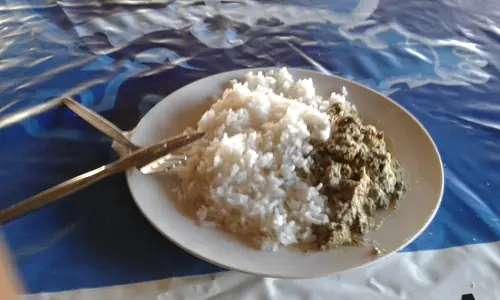
Mozambican cooking is a celebration of the sea. Prawns, often enormous, are grilled over a wood fire and brushed with piri-piri, the chilli sauce that has travelled the world. Matapa, pounded cassava leaves cooked with peanuts and coconut milk, sometimes with prawns or crab, is served with rice or xima, the maize porridge. Frango à cafreal, marinated grilled chicken, is another classic. The Portuguese heritage can be tasted in the bread, the pastéis de nata and the coffee, while Indian influences show up in the samosas and curries. Local beers go well with any meal.
The best time to visit Mozambique: May to October.
What should I see first in Mozambique?
The must-sees: Bazaruto Archipelago, Island of Mozambique, Gorongosa National Park, Quirimbas Islands.
Which cities should I visit in Mozambique?
Maputo, Vilankulo, Tofo. The capital is Maputo.
How much should I budget for a trip to Mozambique?
Mid-range: around €60–120 per person per day, excluding flights. This is only a guide and depends above all on the accommodation and activities you choose.
What currency and languages are used in Mozambique?
The main international airport has the code MPM. Compare flights with the ‘Flights’ button on this page.
Do I need a visa to visit Mozambique?
Entry requirements depend on your nationality and change regularly. Check them on the country's official website or with your foreign ministry before booking, and make sure your passport is valid.
What should I eat in Mozambique?
Dishes to try while you're there: Piri-piri prawns, matapa.
Map
Mozambique on the map
Cities Places to see · Approximate positions
On the ground
Getting around and staying healthy
Getting around
The country stretches over more than 2,000 km: LAM domestic flights link Maputo with Vilanculos, Beira, Nampula or Pemba and save days of road travel. Chapas (minibuses) and long-distance buses cover the coastal N1 route, with long and often crowded journeys. Boats (dhows or shuttles) serve the Bazaruto archipelago from Vilanculos and the Quirimbas islands, often arranged through lodges. To travel freely, a rental car (a 4x4 off the main roads) is useful; traffic drives on the left.
Health and safety
Yellow fever
Certificate required only if you arrive from, or transited through, a country with a risk of yellow fever (from 1 year, incl. airport transits over 12 h); vaccine generally not recommended.
Malaria
Present throughout the country: ask a doctor about preventive medication and protect yourself from mosquitoes.
Water and food
Unless your accommodation says otherwise, drink sealed bottled or filtered water, and wash your hands often.
Affiliate cookiesWe would like to load a script from our partner Travelpayouts. It may set cookies so that we receive a commission when you book through our links, at no extra cost to you. If you decline, the site works in exactly the same way. Find out more
 AfriqueUnie
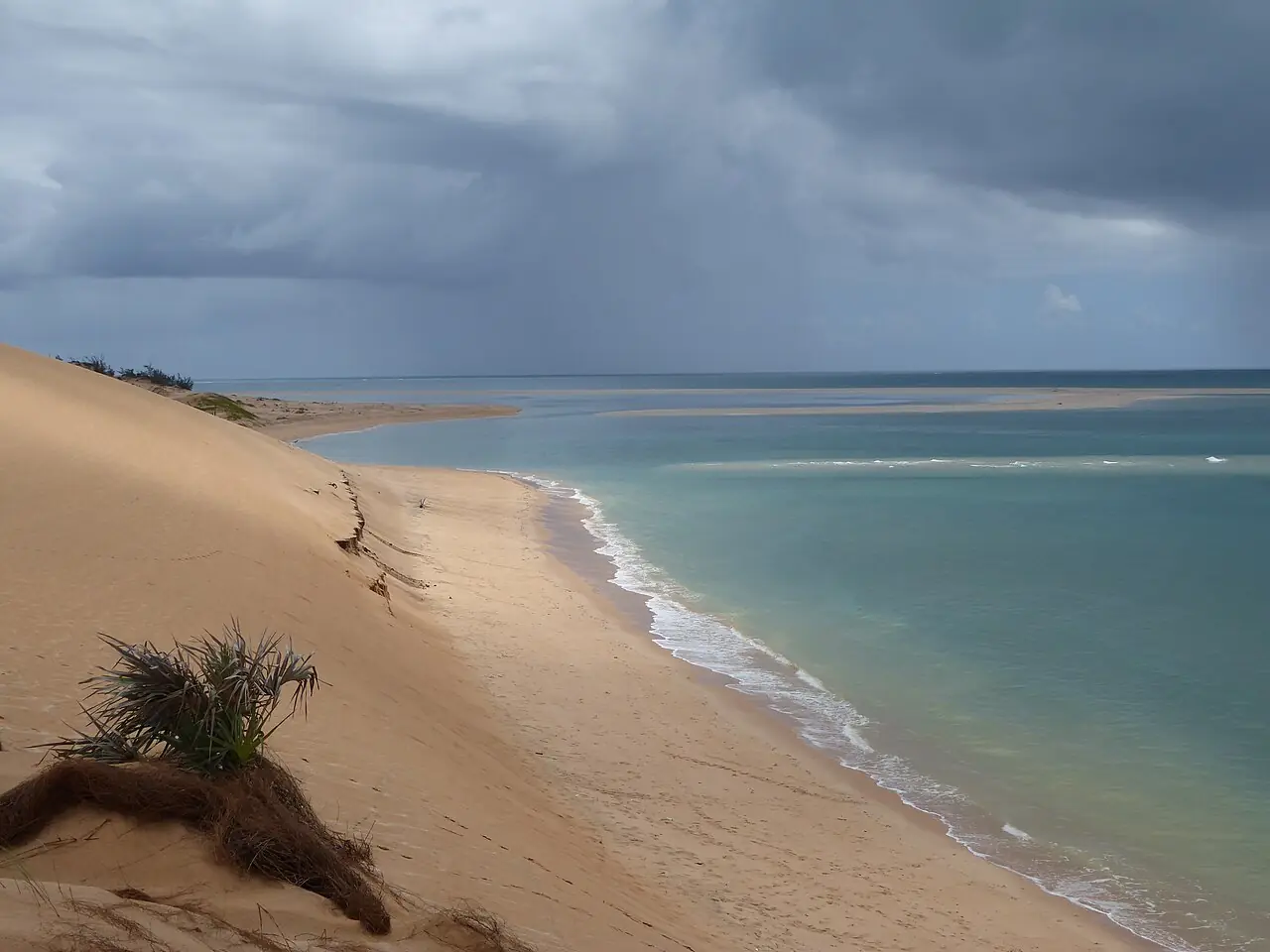 Photo: Cornelius Kibelka from Berlin, Germany · CC BY-SA 2.0
 Mozambique
 Botswana
 Eswatini
 Lesotho
 Malawi
 Namibia
 South Africa
 Zambia
 Zimbabwe