AfriqueUnie
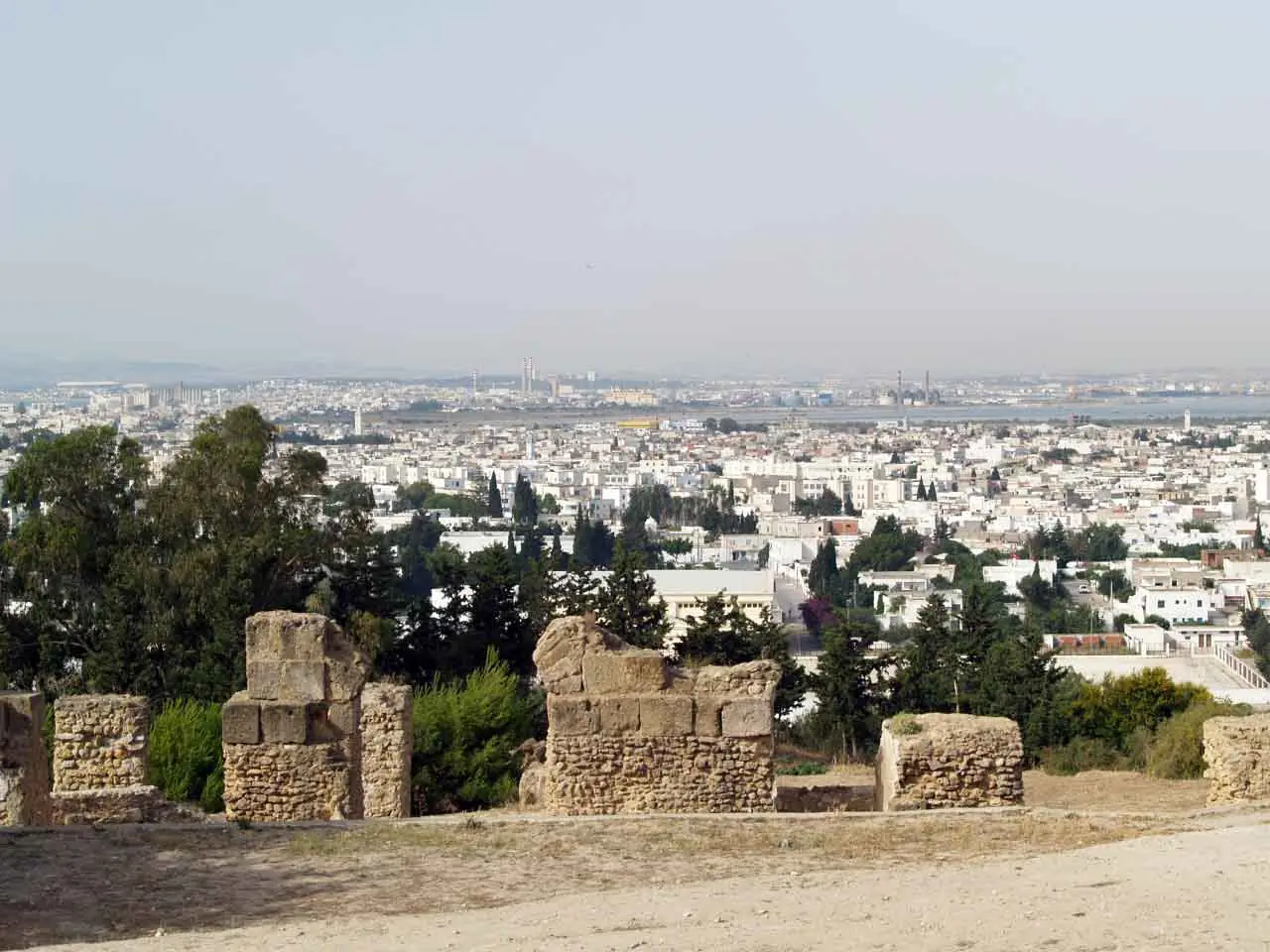 Photo: Profburp · Public domain
Published by Adama Doumbia, founder of Afrique Unie · updated 28 November 2026 · our method and sources
Daily budget
These figures are rough guides per person per day, excluding international flights. They cover accommodation, meals, local transport and a few visits.
Low budget: allow around €30 to €50, in a small hotel or simple guesthouse, with local meals and shared transport. Mid-range: around €70 to €120, in a good hotel or a characterful guesthouse, with restaurants and some taxi rides or a hire car. High end: from €180, in luxury hotels and thalassotherapy resorts.
All-inclusive packages bought from a tour operator work differently: the price depends mainly on the season and the flight.
What is expensive and what costs very little
- Accommodation: Prices are low out of season and rise sharply on the coast in July and August.
- Meals: Street food and small restaurants cost a few euros. Tourist restaurants and alcohol are dearer.
- Transport: Louages (shared taxis), buses and trains link the towns for very little. City taxis run on the meter.
- Sites and museums: Entry to ancient sites and museums remains modest. Prices change: check them on the spot.
- Car hire: Allow around €30 to €50 a day. It is useful for the south and for remote sites.
- Desert excursions: 4x4 trips and nights in a camp are the largest cost of a tour in the south.
Money: a dinar that stays in the country
The currency is the Tunisian dinar (TND). Tunisian customs prohibit bringing dinars into or out of the country, so you cannot buy any before you leave or take any home. Change money once you arrive, at a bank, a licensed exchange office or your hotel, or use a cash machine.
Keep your exchange receipts. You will be asked for them when changing leftover dinars back before you leave. If you carry large sums in foreign currency, a customs declaration is compulsory: the thresholds are given on douane.gov.tn.
Cards are accepted in hotels, supermarkets and some restaurants. Elsewhere, cash is the norm. Tipping is not compulsory: a few dinars in a café, a restaurant or for a porter are appreciated.
Hotels charge a nightly tourist tax of a few dinars, depending on their category. It is often paid on the spot: ask your tour operator whether it is included.
Visa and passport
Information checked in November 2026. Rules can change, so check them before you book.
Since 1 January 2025, a passport has been compulsory for all visitors. National identity cards are no longer accepted, including on package holidays. According to the French foreign ministry, the passport must be valid for at least three months on the date of entry.
French nationals do not need a visa for a tourist stay of up to three months. The same applies to Belgians and Canadians (90 days). Canada does, however, advise its citizens to hold a passport valid for six months after their planned departure date. British nationals are also visa-exempt for a short stay, according to the sources we consulted. For Swiss nationals, we were unable to confirm the rule from an official source: see the FDFA website (eda.admin.ch).
Anyone who also holds Tunisian nationality must show their Tunisian passport on entry and exit. Beyond three months, a visa and a residence permit are required.
Health and vaccines
No vaccine is required of travellers arriving from Europe. A yellow fever vaccination certificate may be requested if you arrive from a country where the disease is present: check with a travel clinic. There is no malaria in Tunisia.
Make sure your routine vaccinations are up to date. Your doctor may recommend others depending on the length and conditions of your stay. Drink bottled water where possible and protect yourself from the sun and heat in summer.
Before you go: the checklist
- Passport: Valid for at least three months on entry, for every traveller, children included.
- Money: Euros in cash and a bank card. No dinars before departure.
- Exchange receipts: Keep them until you leave so that you can change back what is left.
- Tourist tax: Ask whether it is included in your booking.
- Insurance: Travel insurance covering medical costs and repatriation.
- Where to check: France Diplomatie (diplomatie.gouv.fr, Conseils aux voyageurs), gov.uk (foreign travel advice) and Tunisian customs (douane.gov.tn). Travel to some border areas is advised against: read the safety section.