AfriqueUnie
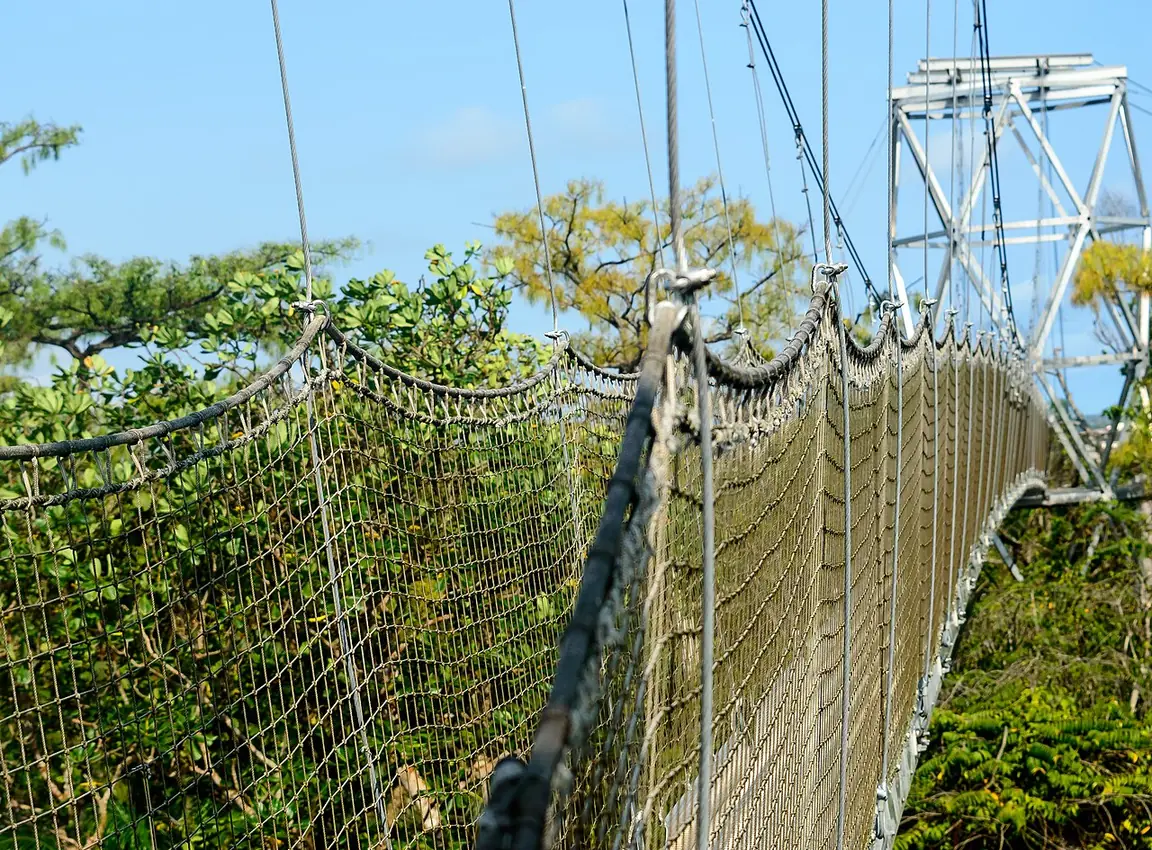 Photo: Turizimpressions · CC BY-SA 4.0
Published by Adama Doumbia, founder of Afrique Unie · updated 28 November 2026 · our method and sources
Safety first: what the official advice says
France Diplomatie places Lagos State, which includes Lekki and Badagry, in its heightened vigilance category, as well as the city of Abeokuta and the motorway linking it to Lagos. The rest of Ogun State, where Abeokuta lies, is however advised against except for essential travel (orange zone) because of the risk of kidnapping: do not stray from the motorway or the city.
For every outing on this page, the French authorities recommend travelling by car with a trusted driver booked through your accommodation or a reputable provider, avoiding public transport and getting around on foot, and not driving at night. For Abeokuta, they advise travelling in more than one vehicle and being met by trusted people. Check the latest advice before each trip, as it can change.
Lekki: forest, art and beaches (30 minutes to 1 hour)
Without leaving the city, the Lekki peninsula can fill a Saturday. The Lekki Conservation Centre protects an area of forest and marsh where you walk on boardwalks and a long canopy walkway, with monkeys and birds. Nearby, the Nike Art Gallery displays thousands of works by Nigerian artists over four floors.
Further east, the Lekki beaches draw Lagosians on Sundays. Come in the morning to avoid the evening traffic, and only swim where the sea is calm and supervised: Atlantic currents are powerful.
Tarkwa Bay: the beach by boat (about 1 hour)
Sheltered by a breakwater at the harbour entrance, Tarkwa Bay beach can only be reached by boat from the jetties on Lagos Island or Victoria Island. Its calmer water makes it a favourite with families and beginner surfers.
Only board a boat that provides life jackets, wear yours for the whole crossing, and give up if the sea is rough. Plan your return well before nightfall.
Badagry: on the slave route (about 2 hours)
West of Lagos, near the border with Benin, Badagry was one of the ports of the Atlantic slave trade. You visit museums and memorial sites devoted to slavery, then cross the lagoon to walk to the Point of No Return, on the beach from which captives were shipped. The town also has Nigeria's first storey building, built by missionaries in the mid-nineteenth century.
The road out of Lagos can be very slow: leave early on Saturday, visit with a local guide and head back in daylight. Badagry is in Lagos State, in the heightened vigilance category.
Abeokuta and Olumo Rock (about 2 hours)
North of Lagos, Abeokuta grew up around Olumo Rock, a granite outcrop that sheltered the Egba people in the nineteenth century. You climb by steps and passages cut into the rock, or partly by lift, to the summit, which looks out over the city and the Ogun River. At Itoku market you will find adire, the indigo-dyed cloth that made the city's name.
Make it a day trip by car with a driver, on the motorway, without detours into the rest of Ogun State, which France advises against except for essential travel. Set off in the morning to climb before the heat and be back in Lagos before dark.
What we do not suggest
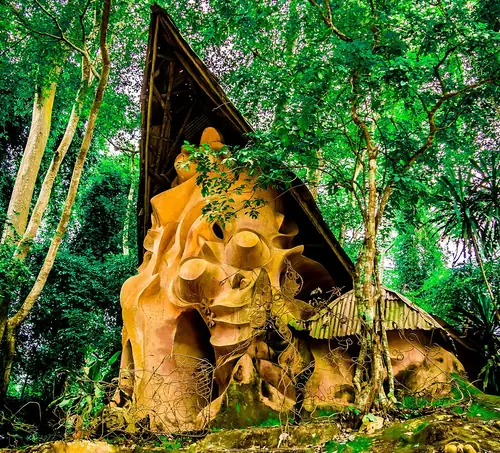
The Osun-Osogbo Sacred Grove, a World Heritage Site, is often listed among excursions from Lagos. It is four to five hours away by road, and the journey crosses part of Ogun State that France Diplomatie advises against except for essential travel, so we do not include it as a weekend trip. For the same reason, do not leave the Abeokuta motorway.
When to get out of Lagos
- November to March: The dry season: less rain and easier roads. From December to February, the harmattan sometimes veils the sky with dust. December is the month of big parties and diaspora homecomings, when the city and its roads are saturated.
- April to October: The rainy season, with very heavy downpours, especially in June and July, and frequent flooding in some districts: check the forecast before setting off and allow extra time.
Further reading
- Lagos: things to do, districts, safety
- Nike Art Gallery (Lagos)
- Olumo Rock (Abeokuta)
- Nigeria: our country guide
- When to go to Nigeria: the weather month by month
- Nigeria: budget and entry requirements: visa, health, money