You don't visit Nigeria the way you visit a museum: you experience it, at full throttle. With more than two hundred million people and hundreds of languages, it is Africa's most populous country and one of its great cultural engines. The songs that get the whole world dancing, from Burna Boy to Wizkid by way of Tems, come out of its studios; Nollywood churns out films by the thousand; and its writers, from Chinua Achebe and Wole Soyinka, the first African winner of the Nobel Prize in Literature, to Chimamanda Ngozi Adichie, have shaped world literature. Coming here means going to the source of all that.
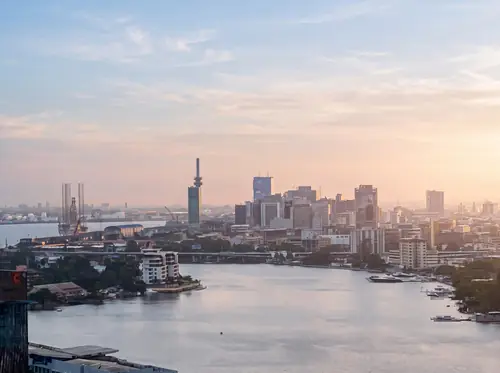
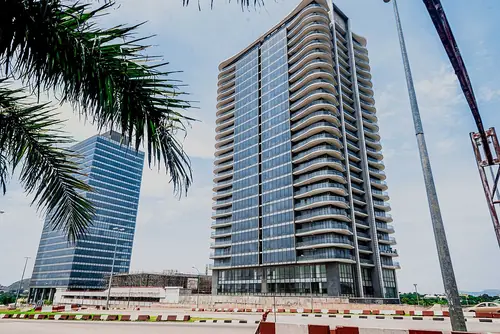
Lagos is the epicentre. A saturated, creative megacity, it exhausts and electrifies in equal measure: art galleries on Victoria Island and in Ikoyi, Balogun Market, legendary traffic jams, clubs that never close, suya sellers smoking over the embers by the roadside, and the beaches beyond Lekki that people speed off to by boat at weekends. The rest of the country shows other sides: the sacred forest of Osun-Osogbo and its sculptures, the rocks of Abeokuta, the savannahs of Yankari, green Calabar and its carnival, Abuja and its grand monuments, and a prestigious artistic heritage, from the Nok terracottas to the bronzes of Ife and Benin.
Let's be clear: travelling in Nigeria takes preparation. Several regions, notably in the north-east, the north-west and parts of the Niger Delta, are subject to formal advice against all travel, and caution is needed everywhere. It is essential to check your government's official travel advice, to favour Lagos, Abuja and the south-west, and to organise your journeys with reliable local contacts. In return, the country offers generous hospitality, devastating humour, a unique energy and the rare feeling of watching the continent's future being written.
History and culture
Nigeria is home to some of the oldest artistic traditions in sub-Saharan Africa: the Nok culture and its terracottas, more than two thousand years ago, then the bronze and terracotta heads of Ife, the sacred city of the Yoruba, and the famous bronzes of the Kingdom of Benin, in Benin City, looted by the British in 1897. In the north, the Hausa city-states and the Kanem-Bornu Empire prospered on trans-Saharan trade, until the jihad of Usman dan Fodio founded the Sokoto Caliphate in the early 19th century.
The British united north and south in 1914. Independent in 1960, the country was torn apart by the Biafran War from 1967 to 1970, then went through a long period of military rule. Since the return to civilian government in 1999 it has held regular elections, despite deep economic and security challenges, and its cultural influence has grown steadily. Today the country is a federation of thirty-six states, in which the three main groups, the Hausa-Fulani in the north, the Yoruba in the south-west and the Igbo in the south-east, live alongside hundreds of other peoples. In recent years the gradual return of Benin Bronzes by European museums has rekindled pride in a heritage long scattered abroad.
8 experiences not to miss in Nigeria
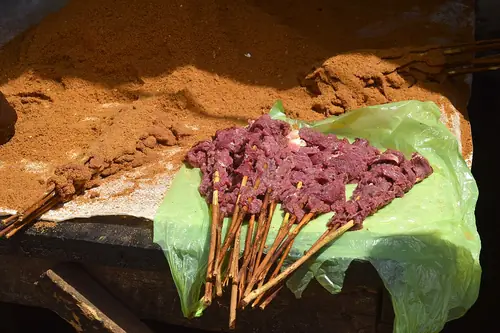
Photo : Kambai Akau · CC BY-SA 4.001Suya at duskTry these beef skewers spiced with yaji, grilled at the roadside and served in newspaper with onion and tomato.
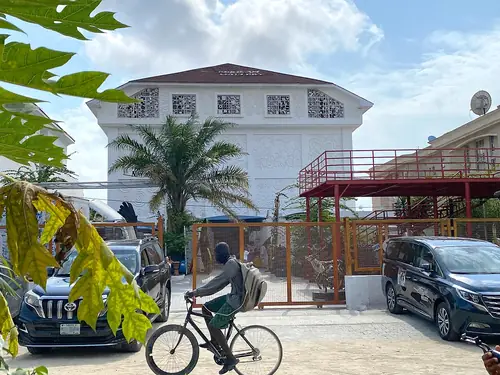
Photo : FrankvEck · CC BY-SA 4.002Lagos galleriesMake the rounds of the galleries on Victoria Island and in Ikoyi, where the Nigerian contemporary scene shows off its daring.
03A gig at the ShrineSpend an afrobeat night at the New Afrika Shrine in Ikeja, founded in the spirit of Fela's original Shrine.
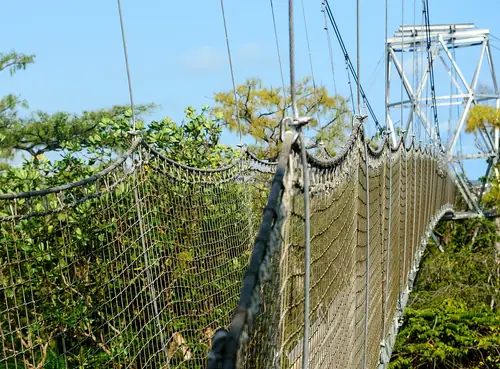
Photo : Turizimpressions · CC BY-SA 4.004Lekki's canopyWalk the long suspended walkway at the Lekki Conservation Centre, high above the marshes and the monkeys.
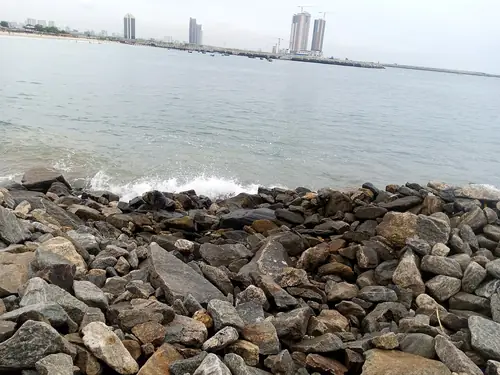
Photo : OfficialKOL · CC BY-SA 4.005Beaches by boatAt weekends, take a boat to Tarkwa Bay or the beaches beyond Lekki, far from the urban tumult.
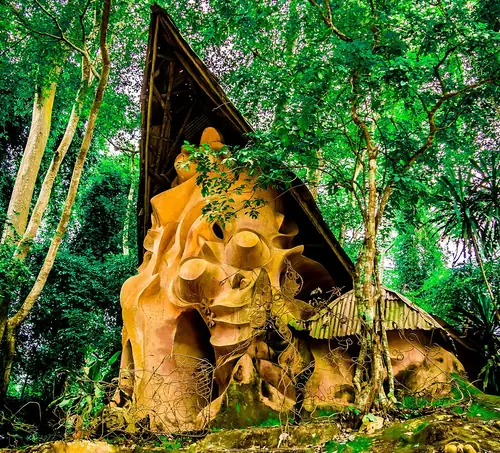
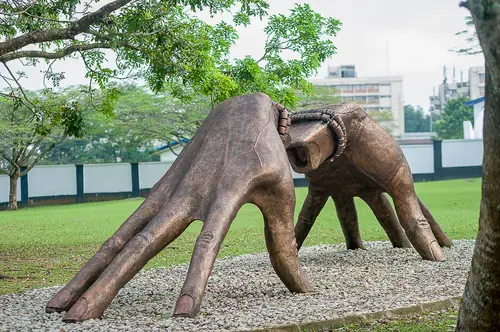
Photo : ABORISADEADETONA · CC BY-SA 4.006Osun-Osogbo forestWander through this sacred Yoruba grove, peopled with strange sculptures, on the banks of the Osun River.
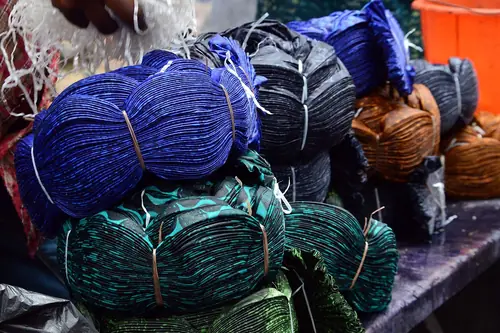
Photo : Omoeko Media · CC BY-SA 4.007Adire in AbeokutaWatch adire cloth being dyed with indigo and leave with a hand-dyed wrapper of your own.
08A Nollywood nightGo and see a Nigerian film in a Lagos cinema: the audience's reactions are part of the show.
When to go to Nigeria
The dry season, from November to February, is the best time for most regions: less rain, more passable roads and clear skies, apart from harmattan days, when dust veils the air, especially in the north, from December to February. March and April are very hot before the rains return. In the south, the rainy season broadly runs from April to October, with a slight lull in August; Lagos can then suffer serious flooding. The drier north gets most of its rain from June to September. December is the month when Nigerians come home for the holidays: Lagos and Calabar are in full swing.
Getting around
The international airports of Lagos and Abuja are the main gateways. For long distances, domestic flights are the most practical option, and often the safest, given the state of some roads and the security risks. In Lagos, ride-hailing apps are widely used; danfos, the yellow minibuses, and the BRT rapid buses are cheap but bewildering on a first visit. The light rail is opening its first lines, and ferries link some districts across the lagoon. Avoid travelling by road at night. For excursions, use a driver recommended by your accommodation.
Etiquette and customs
Greetings are important and often marked by respect for elders: among the Yoruba, young people commonly bow or kneel slightly. Say “Good morning, sir” or “ma” and take time to ask how people are. Use your right hand to give and receive. The country is deeply religious, split between a mainly Muslim north and a mainly Christian south: adapt your dress and behaviour accordingly. Nigerians have a direct sense of humour and love a good debate; join the conversation in good spirits. Never photograph official buildings, soldiers or the police.
Food and drink in Nigeria
Jollof rice, cooked over a wood fire for parties, is the nation's pride, and its Nigerian version is pitted with humour against Ghana's. Try egusi soup, made with melon seeds and served with pounded yam or cassava eba, the amala and ewedu of the Yoruba, scorching pepper soup with fish or goat, and moi moi, a steamed bean cake. On the street: suya, puff-puff (sweet fritters), bean akara and roasted corn with ube, the African pear. In the south-east, edikang ikong and afang soups, made with green leaves, are renowned. To drink: chapman, a fruity cocktail, hibiscus zobo and palm wine.
The best time to visit Nigeria: November to February.
What should I see first in Nigeria?
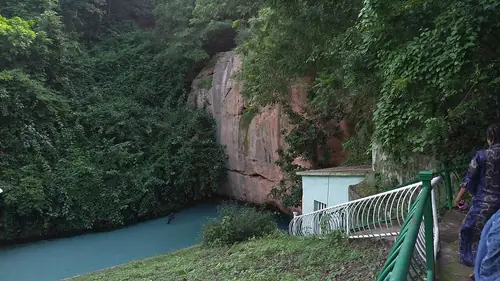
The must-sees: Osun-Osogbo Sacred Grove, Olumo Rock (Abeokuta), Yankari National Park, Nike Art Gallery (Lagos).
Which cities should I visit in Nigeria?
Lagos, Abuja, Calabar. The capital is Abuja.
How much should I budget for a trip to Nigeria?
Mid-range: around €60–120 per person per day, excluding flights. This is only a guide and depends above all on the accommodation and activities you choose.
The main international airport has the code LOS. Compare flights with the ‘Flights’ button on this page.
Do I need a visa to visit Nigeria?
Entry requirements depend on your nationality and change regularly. Check them on the country's official website or with your foreign ministry before booking, and make sure your passport is valid.
What should I eat in Nigeria?
Dishes to try while you're there: Jollof rice, suya, egusi.
Map
Nigeria on the map
Cities Places to see · Approximate positions
On the ground
Getting around and staying healthy
Getting around
The country is vast and flying is the usual way between Lagos, Abuja, Port Harcourt, Calabar and Kano, with many local airlines. Modern trains run between Lagos and Ibadan and between Abuja and Kaduna, as well as on the Warri–Itakpe line; in Lagos, the Blue Line and Red Line urban rail services operate. In town you will see danfos (yellow minibuses), kekes (tricycles) and okadas (motorbike taxis, banned in parts of Lagos), but Uber and Bolt are easier for visitors in Lagos and Abuja. On the road, avoid driving at night and check security conditions region by region; driving is on the right.
Health and safety
Yellow fever
Certificate required only if you arrive from, or transited through, a country with a risk of yellow fever (from 9 months, incl. any airport transit; the UK says it is required from all travellers: carry it); vaccine recommended for the whole country (from 9 months).
Malaria
Present throughout the country: ask a doctor about preventive medication and protect yourself from mosquitoes.
Water and food
Unless your accommodation says otherwise, drink sealed bottled or filtered water, and wash your hands often.
Sources: France Diplomatie, Viaggiare Sicuri, Belgian Foreign Affairs, GOV.UK, checked in November 2026. All 54 countries
Entry requirements (visas, vaccinations) and security conditions change regularly: check them with the official authorities before booking. Official tourism website: Nigerian Tourism Development Authority.
Affiliate cookiesWe would like to load a script from our partner Travelpayouts. It may set cookies so that we receive a commission when you book through our links, at no extra cost to you. If you decline, the site works in exactly the same way. Find out more
 AfriqueUnie
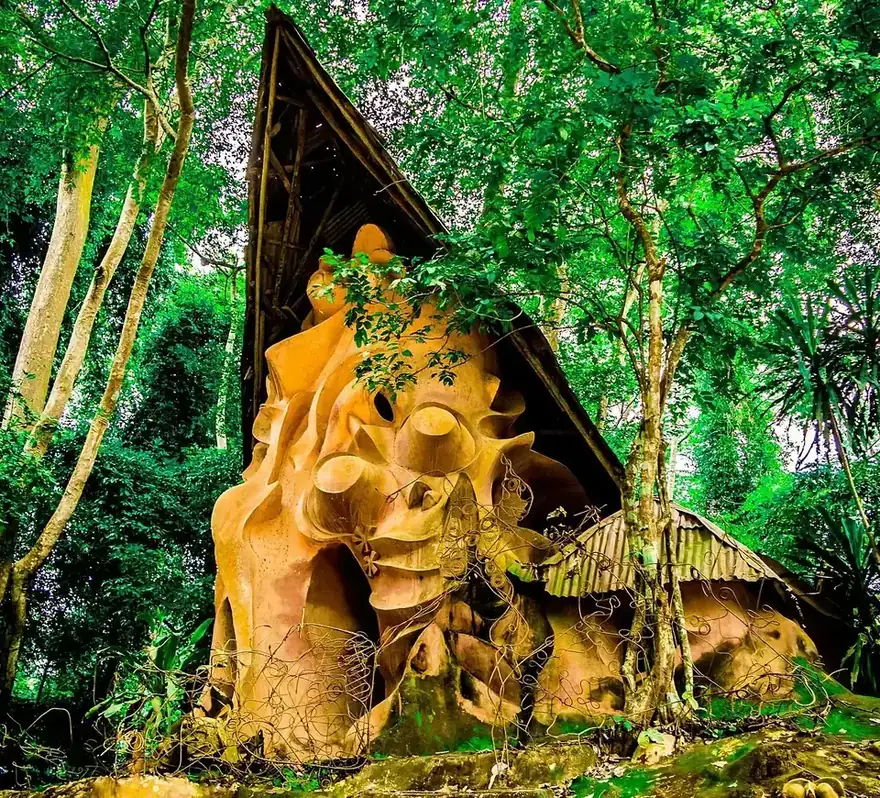 Photo: ABORISADEADETONA · CC BY-SA 4.0
 Nigeria

 Benin
 Burkina Faso
 Cape Verde
 Côte d'Ivoire
 Guinea
 Guinea-Bissau
 Liberia
 Mali
 Mauritania
 Niger
 Senegal
 Sierra Leone
 The Gambia
 Togo