 AfriqueUnie
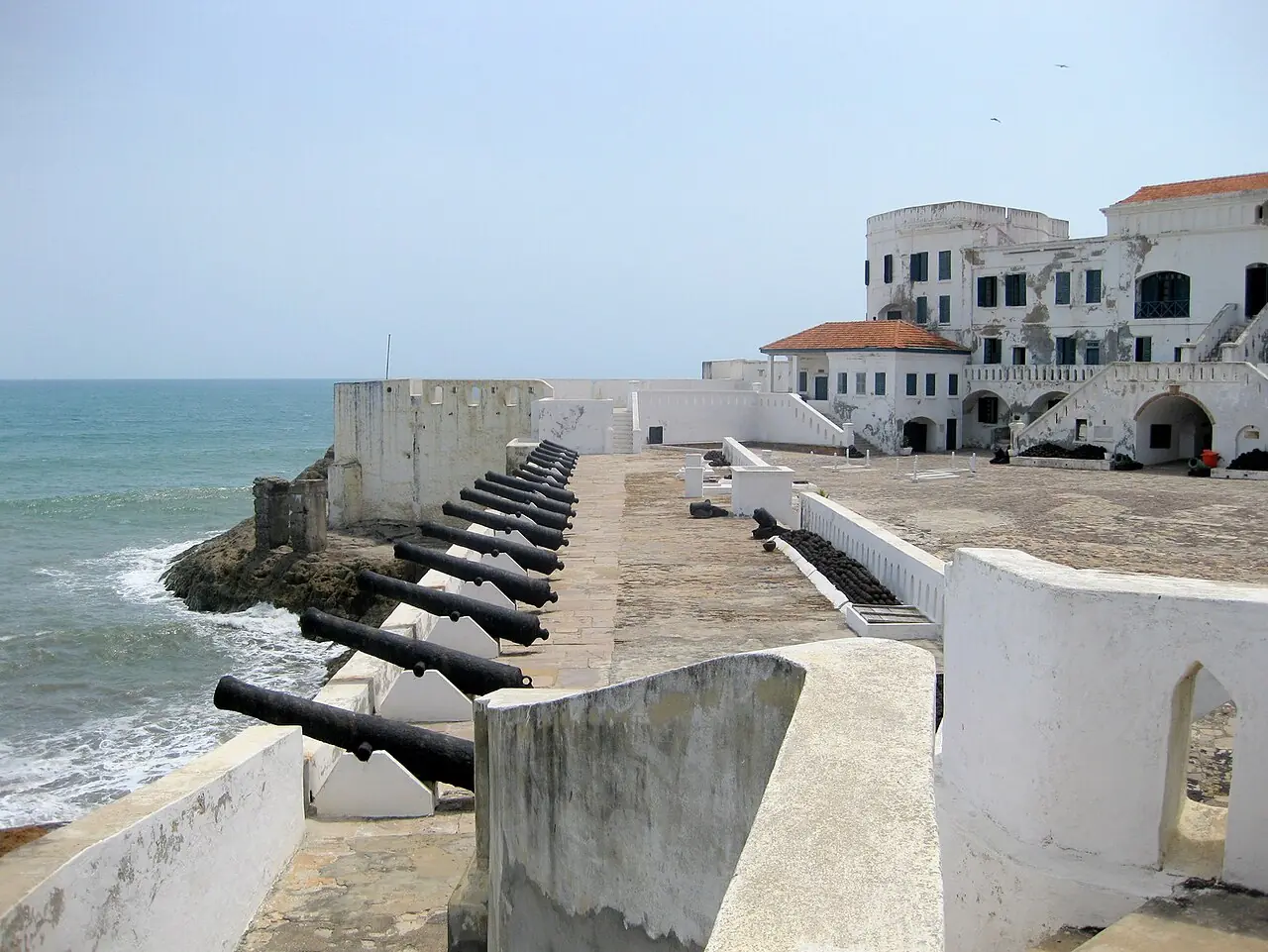 Photo: Rjruiziii · CC BY-SA 3.0
Published by Adama Doumbia, founder of Afrique Unie · updated 16 November 2026 · our method and sources
Twi is a variety of Akan, Ghana's most widely spoken language. The main forms are Asante Twi, around Kumasi, and Akuapem Twi, in the hills north of Accra; Fante, spoken on the coast around Cape Coast, is another variety of Akan, close to Twi. English is Ghana's official language, but Twi is the common language of markets, transport and radio across much of the south and centre of the country, including Accra, where Ga is also spoken.
It is written in the Latin alphabet with two extra letters, ɛ and ɔ. Many Ghanaians bear an Akan name that shows the day they were born: Kofi was born on a Friday, Ama on a Saturday. Kente, the royal cloth of Ashanti, and Adinkra symbols such as Gye Nyame come from the same Akan world.
Where it is spoken : Ghana.
Pronunciation tips
- "ɛ" sounds like the "e" in "bed", and "ɔ" like the "o" in "pot".
- "e" sounds like the "ay" in "say" (without the glide) and "u" like "oo": medaase → meh-dah-seh, akwaaba → ah-kwah-bah.
- "ky" sounds roughly like "ch" and "gy" roughly like "j": kyɛw → chew, gyina → jee-na.
- Twi is a tonal language: the same syllable can change meaning with the pitch of your voice, but in greetings the context is enough to be understood.
Greetings
| Twi | English |
|---|---|
| Maakye | Good morning |
| Maaha | Good afternoon |
| Maadwo | Good evening |
| Akwaaba | Welcome |
| Wo ho te sɛn ? – Me ho yɛ | How are you? – I'm fine |
| Nante yie | Goodbye, safe journey |
| Da yie | Good night |
Being polite
| Twi | English |
|---|---|
| Medaase | Thank you |
| Medaase paa | Thank you very much |
| Mepa wo kyɛw | Please; excuse me |
| Aane | Yes |
| Daabi | No |
| Kafra | Sorry |
| Ɛyɛ | It's fine, OK |
Getting to know people
| Twi | English |
|---|---|
| Wo din de sɛn ? – Me din de … | What is your name? – My name is … |
| Wofiri he ? | Where are you from? |
| Mete Twi kakra | I understand a little Twi |
| Mente aseɛ | I don't understand |
At the market
| Twi | English |
|---|---|
| Ɛyɛ sɛn ? | How much is it? |
| Ne bo yɛ den | It's expensive |
| Te so kakra | Lower the price a little |
| Mepɛ … | I would like … |
Getting around
| Twi | English |
|---|---|
| … wɔ he ? | Where is …? |
| Benkum / Nifa | Left / Right |
| Gyina ha | Stop here |
| Trotro | Shared minibus |
Eating and drinking
| Twi | English |
|---|---|
| Nsuo | Water |
| Aduane | Food, meal |
| Ɛkɔm de me | I'm hungry |
| Ɛyɛ dɛ ! | It's delicious! |
Emergencies
| Twi | English |
|---|---|
| Boa me ! | Help me! |
| Meyare | I am ill |
| Ayaresabea | Hospital |
Numbers
| Twi | English |
|---|---|
| Baako, abien, abiɛsa | One, two, three |
| Anan, anum | Four, five |
| Asia, ason, awɔtwe | Six, seven, eight |
| Akron, du | Nine, ten |
Akan day names
| Twi | English |
|---|---|
| Kwadwo / Adwoa | Born on a Monday (boy / girl) |
| Kwabena / Abenaa | Born on a Tuesday |
| Kwaku / Akua | Born on a Wednesday |
| Yaw / Yaa | Born on a Thursday |
| Kofi / Afua | Born on a Friday |
| Kwame / Ama | Born on a Saturday |
| Kwasi / Akosua | Born on a Sunday |
44 everyday expressions, in simple spelling. Regional accents vary: don't hesitate to ask people to repeat, it is always appreciated.
Frequently asked questions
How do you say thank you in Twi?
You say "medaase" (meh-dah-seh), short for "meda wo ase" (I thank you). For thank you very much, say "medaase paa".
How do you say hello in Twi?
It depends on the time of day: "maakye" in the morning, "maaha" in the afternoon and "maadwo" in the evening. To ask how someone is, say "wo ho te sɛn?" (how are you?); the reply is "me ho yɛ" (I'm fine).
What does "akwaaba" mean?
"Akwaaba" means "welcome". It is the first word you see when you arrive in Ghana, from the airport to the signs at village entrances, and people will often say it when they greet you.
What do the names Kofi, Kwame and Ama mean?
They are Akan day names. A boy born on a Friday is called Kofi and a girl Afua; on a Saturday, Kwame and Ama; on a Sunday, Kwasi and Akosua. Many Ghanaians use this name alongside their English name, and people will sometimes ask which day you were born so they can give you one.