AfriqueUnie
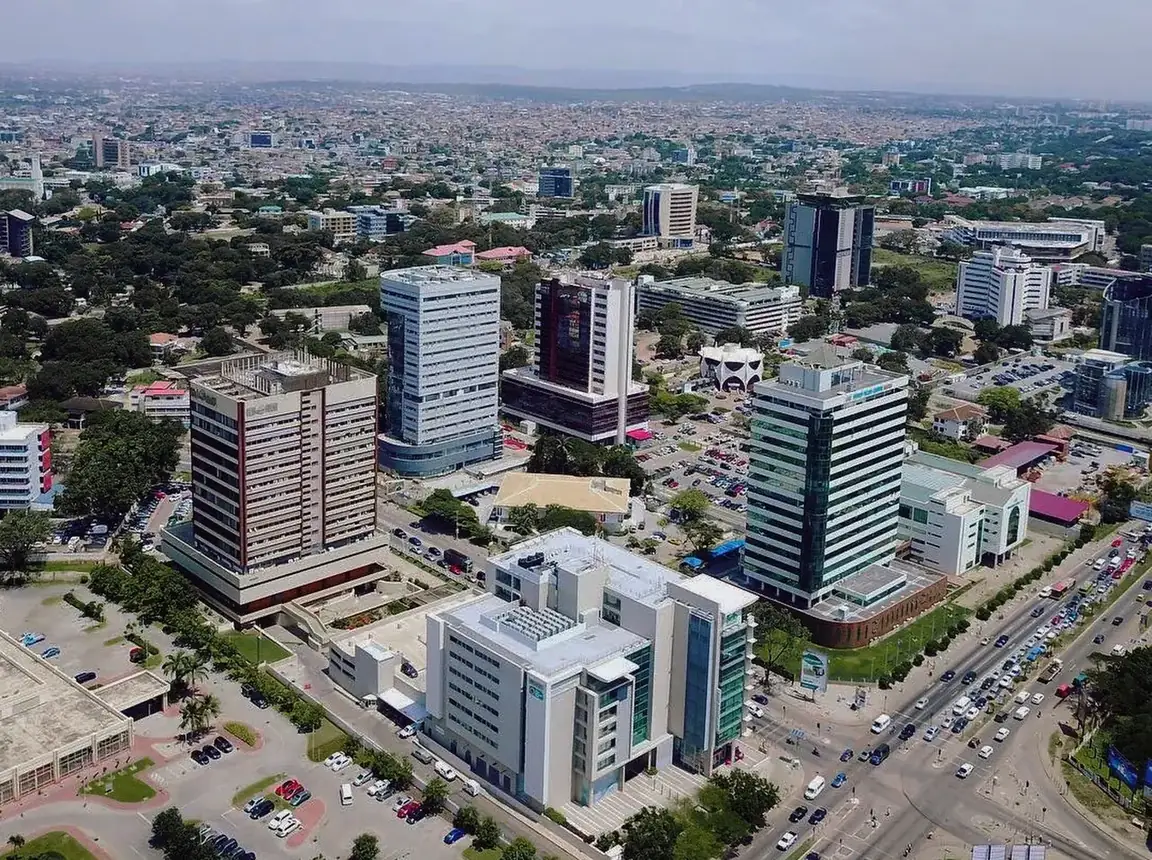 Photo: Amoat7 · CC BY-SA 4.0
Published by Adama Doumbia, founder of Afrique Unie · updated 28 November 2026 · our method and sources
Why visit Accra?
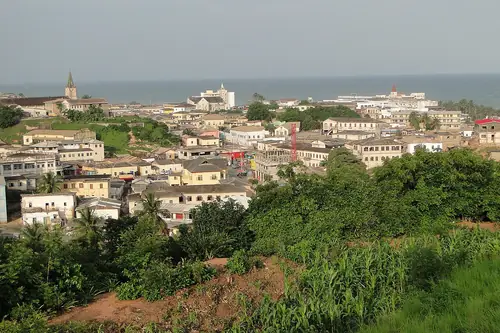
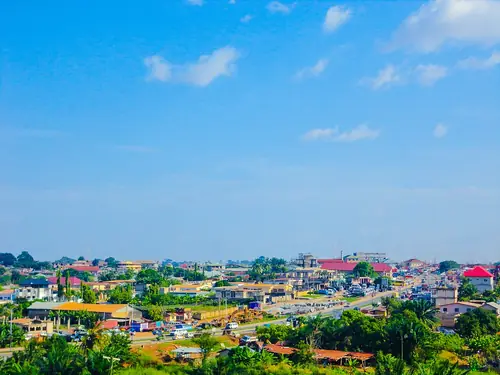
Accra sprawls along the Gulf of Guinea with no clearly defined centre, a patchwork of neighbourhoods that each have their own personality. The old Ga heart of Jamestown and Ussher Town, with its lighthouse, colonial forts, fishermen and boxing gyms, contrasts with the commercial bustle of Osu, the embassies of Airport Residential and the new office towers. The city is growing fast, and you can feel in its streets the energy of a young, ambitious, connected capital.
It is also a place of memory. The Kwame Nkrumah Memorial Park pays tribute to the father of independence, Independence Square and its Black Star Gate recall 1957, and the W.E.B. Du Bois Centre honours the great African-American pan-Africanist thinker, who died and is buried in Accra. Many visitors from the African diaspora come here on a journey back to their roots.
On the contemporary culture front, Accra is buzzing: art galleries, festivals, fashion studios, rooftop bars and a music scene that feeds the whole continent. The beaches of Labadi and, further out, Kokrobite offer weekend escapes, and the Aburi Botanical Gardens, up in the hills, a welcome coolness.
Things to do in Accra: 6 ideas
- 01Jamestown on footClimb the lighthouse for the view over the pirogues, then explore the alleys with a guide from the neighbourhood.
- 02Makola MarketThe city's biggest market: wax prints, beads, spices and a crowd that will make your head spin.
- 03Kwame Nkrumah ParkA mausoleum and museum devoted to the first president, in a peaceful garden in the heart of the city.
- 04Teshie workshopsMeet the carpenters who make the famous carved coffins, shaped according to the trade or dreams of the deceased.
- 05Art galleriesGhana has many acclaimed artists, and several galleries and foundations show contemporary work.
- 06A night in OsuOxford Street and the surrounding area are packed with restaurants, bars and street vendors until late.
Accra in one day
- 01MorningStart early in Jamestown with a local guide: climb the lighthouse for the view over the fishing canoes, then explore the old Ga quarter, James Fort and the boxing gyms. The morning light is lovely and the heat bearable. Always ask before photographing fishermen or residents.
- 02LunchTake a ride-hailing car to nearby Makola Market and dive into its aisles of wax prints, beads and spices. Then have lunch at a chop bar in the centre: waakye, banku with grilled tilapia or fufu with groundnut soup. Keep your bag closed and in front of you in the crowds.
- 03AfternoonVisit the Kwame Nkrumah Memorial Park, with its mausoleum and museum, then Independence Square and its Black Star Gate, a few minutes away by car. Both tell the story of independence in 1957. Bring water and a hat, as the large open squares offer little shade.
- 04EveningFinish in Osu, around Oxford Street, for dinner and some kelewele from the street vendors. The French Foreign Ministry reports bag-snatching in this busy shopping area and advises against walking at night, so get back to your accommodation by app-booked car rather than on foot.
Accra in 3 days: the perfect itinerary
A second day in Accra
- 01MorningLeave early for the Aburi Botanical Gardens, opened in 1890 in the hills north of the city, about an hour's drive away. Stroll beneath the huge trees and enjoy air noticeably cooler than in town. Avoid rush hour on the way back.
- 02LunchHave lunch in Aburi or on the way back, then browse the woodcarving stalls lining the road in the village. Compare before buying and bargain with a smile. Hiring a car with driver for the day makes this trip much easier.
- 03AfternoonHead back down to the coast at Teshie to meet the carpenters who make the famous figurative coffins shaped like fish, aeroplanes or tools. The workshops welcome curious visitors; ask before taking photos and give the craftsmen time to explain their work.
- 04EveningGo to the Labadi seafront in late afternoon, staying close to the hotels and restaurants, and leave before dark, as the UK Foreign Office reports attacks on vehicles in the Labadi beach area. Do not swim, as the currents are dangerous. Have dinner in Labone or Osu, then return by ride-hailing car, as beaches and empty streets should be avoided at night.
A little history
Accra was first a Ga city: in the 16th century, the Ga founded several fishing and trading villages along the coast. Europeans then built forts here for the trade in gold, ivory and later enslaved people: Ussher Fort, Dutch in origin, the British James Fort, and Christiansborg Castle in Osu, built by the Danes. These three forts gave rise to the districts of Jamestown, Ussher Town and Osu.
In 1877, the British made Accra the capital of the Gold Coast in place of Cape Coast. The city grew with the cocoa trade, as the colony became one of the world's leading producers. In 1948, the shooting of ex-servicemen marching near Christiansborg sparked riots that sped up the move towards independence.
On 6 March 1957, Kwame Nkrumah declared Ghana's independence in Accra, making it one of the first countries in sub-Saharan Africa to break free from colonial rule. The city became a centre of pan-Africanism, which is one reason why so many visitors from the diaspora come here. Today, greater Accra has several million inhabitants and remains the country's political, economic and cultural centre.
What to eat in Accra
Ghanaian food is full of flavour and often spicy. Try jollof, rice cooked in tomato sauce, for which Ghanaians claim the best recipe; waakye, a mix of rice and beans; banku or kenkey, fermented maize dough served with fried fish or grilled tilapia and a hot pepper sauce; and fufu with light soup or groundnut soup. In the evening, street vendors sell kelewele, spiced fried plantain cubes.
To drink, sobolo, made from hibiscus flowers, is everywhere, as are palm wine and local beers. To eat like a local, look for chop bars, simple popular eateries serving dishes of the day; Osu, Labone and the Labadi seafront also have a wide choice of restaurants and bars. Pick busy places and well-cooked dishes.
Where to stay in Accra
Osu is the most convenient base for a first visit: lively, central and well supplied with restaurants, small hotels and guesthouses. East Legon and Airport Residential, quieter and greener, have business hotels and serviced apartments. Cantonments and Labone have a pleasant residential feel, with cafés and guesthouses. For the beach, Labadi has its seafront hotels, while Kokrobite, to the west, draws budget travellers and drumming fans with its laid-back lodges.
Getting there and getting around
Accra International Airport (code ACC, formerly Kotoka) is within the city itself, a few kilometres from Osu. Depending on the traffic, which is very heavy at rush hour, the ride takes from twenty minutes to more than an hour: ride-hailing apps work well from the airport, or ask your hotel to arrange the transfer.
In town, ride-hailing apps are the easiest and most comfortable way to get around. Trotros, shared minibuses, serve every neighbourhood, but their routes are hard to work out at first. With an ordinary taxi, always agree on the fare before setting off, and group your visits by neighbourhood to avoid the jams.
The currency is the Ghanaian cedi. ATMs are plentiful and cards are accepted in hotels, shopping centres and many restaurants, but keep some cash for markets, trotros and street vendors. Mobile money, paying by phone, is also very widely used by residents.
Frequently asked questions
How many days do you need in Accra?
Three to four days let you explore Jamestown, Makola Market, Kwame Nkrumah Park, Osu and a beach, plus a trip to the Aburi Botanical Gardens. Accra is then often the starting point for the castles of Cape Coast and Elmina, or for the Volta Region.
When is the best time to visit Accra?
The dry season, from November to March, is the most pleasant, although the harmattan can veil the sky with dust between December and February. Rain is more frequent from April to June, then again in September and October, but Accra stays drier than the rest of the coast.
Do you need a visa for Accra?
Yes, for most travellers. You must get your visa before you leave from the Ghanaian embassy or high commission, usually applying online first; it is not issued on arrival. A yellow fever vaccination certificate is also required. Check the latest rules on your government's travel advice website before booking.
How do you get to Cape Coast and Elmina from Accra?
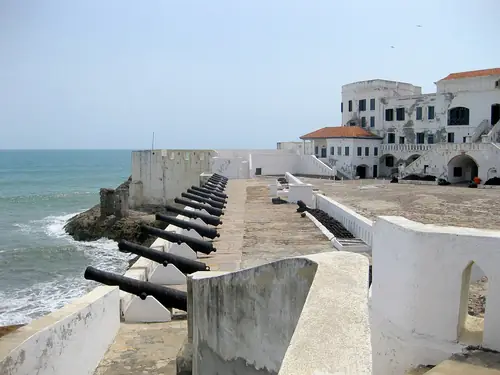
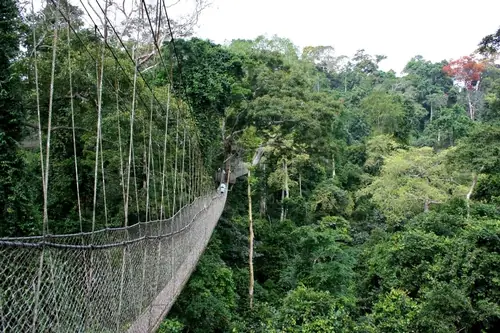
Cape Coast is about three hours' drive west of Accra, depending on traffic. Buses and minibuses leave the city's bus stations every day, but a car with a driver makes it easier to combine the castles of Cape Coast and Elmina, both UNESCO World Heritage Sites, with Kakum National Park.
Is Accra safe for tourists?
Accra is considered one of the calmer capitals in West Africa, but you need to stay alert: watch your belongings in markets and crowds, avoid beaches and empty streets at night and keep away from demonstrations. Read your government's travel advice before you go.
What is there to do in Accra in the evening?
Osu, around Oxford Street, and Labone are full of restaurants, bars, kelewele vendors and live music, and rooftop bars are plentiful. The French Foreign Ministry advises against walking at night, even in these areas, so get around by app-booked car and carry few valuables.
Is it safe to swim in Accra?
Swimming is often dangerous on Accra's beaches because of strong currents. The French Foreign Ministry points out that beaches are not lifeguarded, so it is best not to swim and simply walk on the sand at Labadi, the busiest beach. At Kokrobite, to the west, the French Foreign Ministry reports violent robberies, even by day, and advises staying close to the hotels and restaurants.
 Ghana