AfriqueUnie
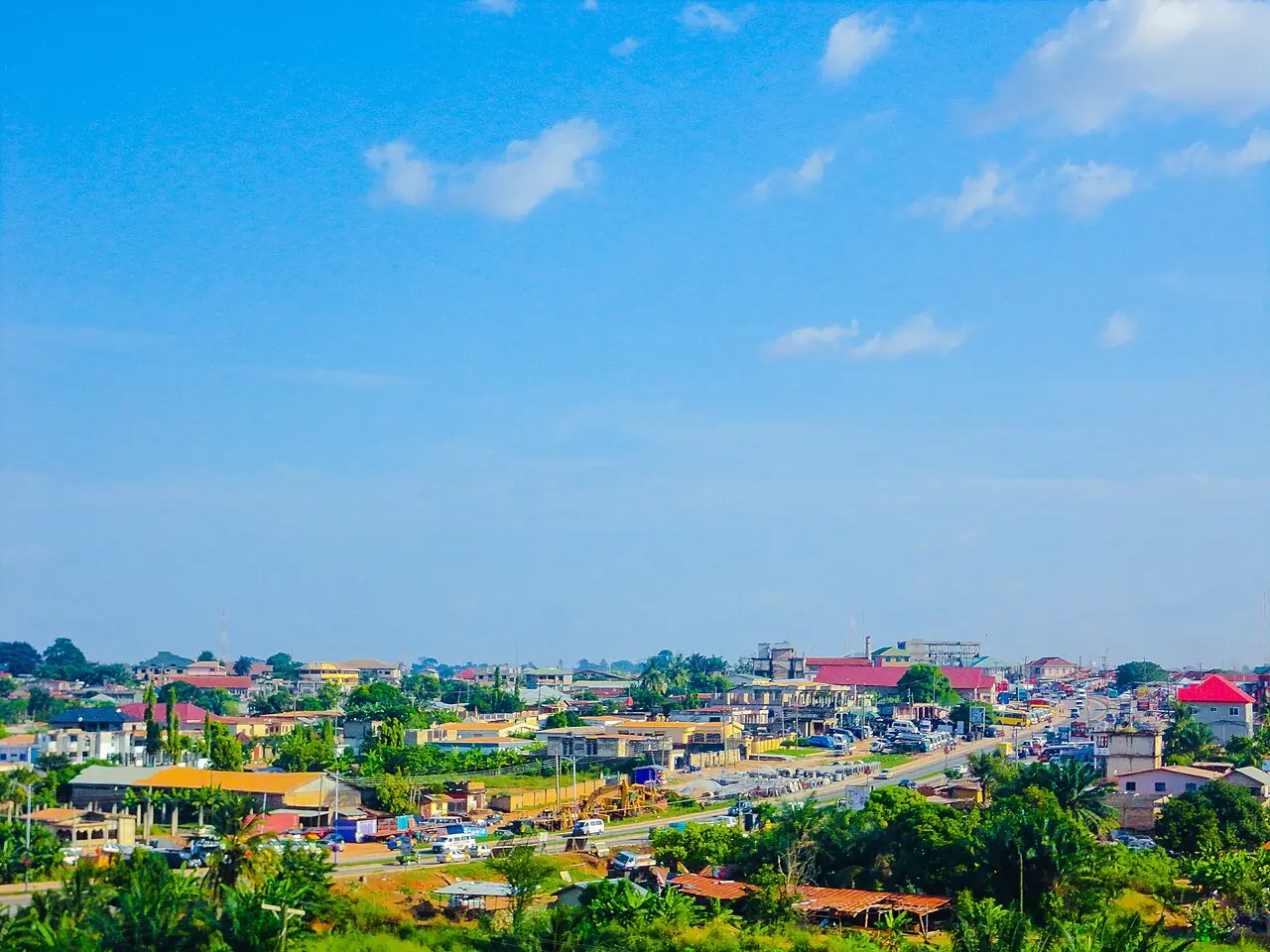 Photo: Maven Egote · CC BY-SA 4.0
Published by Adama Doumbia, founder of Afrique Unie · updated 28 November 2026 · our method and sources
Why visit Kumasi?
Kumasi is Ghana's second city and, above all, the historic capital of the Ashanti kingdom. Here the authority of the Asantehene, the king, remains very real alongside the institutions of the state. Manhyia Palace, the royal residence, houses a museum tracing the history of the dynasty and of the Golden Stool, the symbol of the soul of the Ashanti nation, on which no one may sit: a British governor's demand to sit on it sparked the war of 1900, led by the queen mother Yaa Asantewaa.
The city is also a vast trading crossroads. Kejetia Market, one of the largest in West Africa, has been rebuilt as a huge modern building, but the action spills out into the surrounding streets: fabrics, beads, pottery, yams, smoked fish and thousands of traders calling out to each other in a constant din. The Centre for National Culture showcases Ashanti crafts and hosts workshops.
Around Kumasi are several villages that each specialise in a craft: Bonwire for kente, Ntonso for stamped adinkra cloth, Ahwiaa for woodcarving. And an hour's drive away, Lake Bosumtwi, a sacred crater lake, invites you to swim and walk.
Things to do in Kumasi: 6 ideas
- 01Manhyia Palace MuseumDiscover the history of the Ashanti kings, their regalia and replicas of the royal treasures.
- 02Kejetia MarketPlunge into this gigantic market, ideally in the morning and following someone local.
- 03Bonwire and kenteWatch the weavers at work and buy a strip or a full cloth directly from them.
- 04Ntonso and adinkraLearn the meaning of the adinkra symbols and try your hand at stamping them onto cloth.
- 05Lake BosumtwiThis circular lake, created by a meteorite impact, is perfect for strolling and unwinding.
- 06Akwasidae festivalRoughly every forty-two days, a royal ceremony brings together chiefs, drums and umbrellas at the palace.
Where to stay in Kumasi
The areas around the centre, near Adum, are convenient for the markets and transport, with simple, lively hotels. Ahodwo and Nhyiaeso, to the south, more residential and quiet, have upmarket hotels and guesthouses. The area around KNUST university, to the east, suits travellers looking for a student vibe and moderate prices. On the shores of Lake Bosumtwi, a few lodges let you stretch out your stay in peace.
Frequently asked questions
How do you get from Accra to Kumasi?
Domestic flights link Accra and Kumasi in under an hour. By road it is about 250 kilometres, often five hours or more depending on traffic. Travel by day: driving at night is strongly advised against, and attacks on vehicles, including public transport, have been reported after dark.
How many days should you stay in Kumasi?
Two to three days let you see the Manhyia Palace Museum, Kejetia Market, the National Cultural Centre and the craft villages of Bonwire, Ntonso and Ahwiaa. Add a day or a night by Lake Bosumtwi.
When is Akwasidae held in Kumasi?
Akwasidae falls on a Sunday roughly every six weeks, eight or nine times a year according to the Akan calendar. The main ceremony takes place at Manhyia Palace, where the Asantehene receives chiefs and subjects. Dates are known in advance, so check them with the palace or your accommodation.
Is Kumasi safe?
Kumasi is under heightened vigilance. France's foreign ministry reports bag snatching, robberies and burglaries in large cities including Kumasi, and the UK authorities mention criminal kidnappings, sometimes of foreign nationals. Avoid walking at night, do not take a taxi alone after dark and keep your belongings close in Kejetia.
When is the best time to visit Kumasi?
The dry season, from November to March, is the most comfortable, although the harmattan sometimes hazes the sky from December to February. Rain falls mainly from late April to July, then in September and October, with possible flooding.
 Ghana