AfriqueUnie
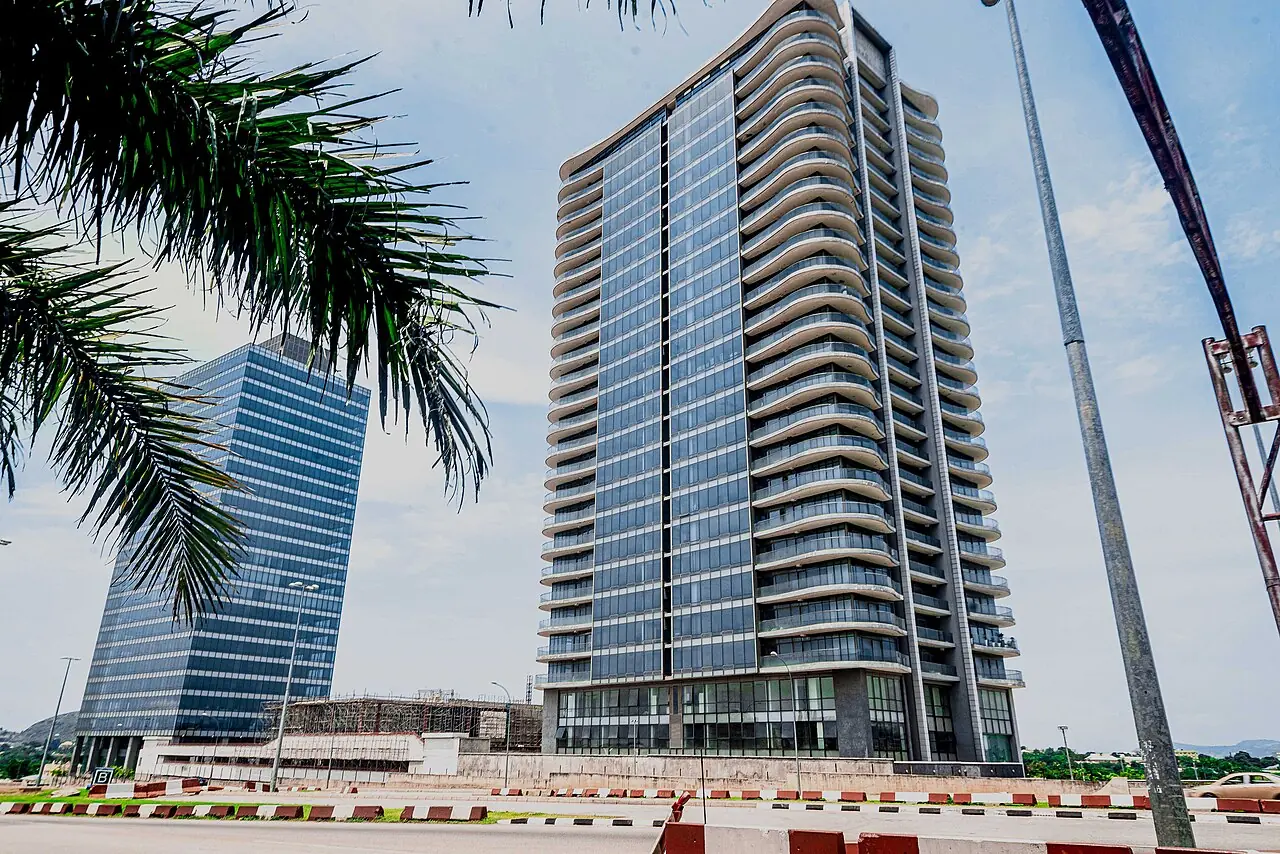 Photo: MediaMOF · CC BY-SA 4.0
Published by Adama Doumbia, founder of Afrique Unie · updated 28 November 2026 · our method and sources
Why visit Abuja?
Abuja is a capital built from scratch, designed in the 1970s and officially made the federal capital in 1991 in place of Lagos. Chosen for its central position, halfway between north and south, it was meant to symbolise the unity of the country. The result is a city very different from Lagos: wide avenues, green spaces, monumental official buildings and far smoother traffic.
The city is dominated by Aso Rock, an enormous granite monolith at whose foot stand the presidency, the National Assembly and the Supreme Court. The National Mosque, with its golden domes, and the National Ecumenical Centre, a large modern church, face each other on either side of an avenue, a symbol of the religious coexistence the capital was meant to embody.
Abuja is calmer, more orderly and more administrative than Lagos, but it also has its lively markets, its parks, Jabi Lake and its nightspots. To the north-west, Zuma Rock, an impressive monolith pictured on the hundred-naira note, stands in Niger State beside the Abuja–Kaduna road: both France and the UK advise against this area except for essential travel, so it is not a place for a day trip.
Things to do in Abuja: 6 ideas
- 01Millennium ParkThe city's largest park, ideal for a peaceful stroll late in the day.
- 02National MosqueAdmire its golden domes; visits are sometimes possible, modestly dressed and outside prayer times.
- 03Arts and Crafts VillageArtisans from all over the country sell sculptures, textiles, beads and bronzes.
- 04Jabi LakeWalks, restaurants and water sports on the shores of a reservoir.
- 05Zuma RockThis giant monolith stands beside the road to Kaduna, in an area France and the UK advise against except for essential travel, on a route where kidnappings are frequent: not one for sightseeing.
- 06Wuse MarketThe city's main market for fruit, fabrics and spices; as France's foreign ministry advises avoiding crowds, go with someone you trust, by day and without valuables.
Abuja in one day
- 01MorningStart in the Central District, where the National Mosque and the National Christian Centre face each other across Independence Avenue. Admire both buildings from outside, dressed modestly, avoiding Friday prayers and major religious festivals, as the French Foreign Ministry advises avoiding busy places of worship. Keep your camera out of sight near government buildings, as photographing them can lead to arrest.
- 02LunchHead to Wuse II by car with your driver for lunch in the city's liveliest district. It is a good place to try jollof rice, egusi soup or a northern Nigerian dish. Choose a busy place where the car can park right outside the entrance.
- 03AfternoonGo on to Millennium Park in Maitama, the capital's largest park, opened in 2003. A stream runs through its lawns and gardens, making it Abuja's most pleasant walk, best enjoyed in the shade in late afternoon. Stay on the busier paths and keep your belongings close.
- 04EveningBe back before dark, as the French Foreign Ministry advises, and have dinner at your hotel or somewhere nearby that you can reach by car. Avoid walking, even a few hundred metres, and do not use your phone with the windows open in traffic jams.
A second day in Abuja
- 01MorningSet off early for Jabi Lake, a reservoir west of the centre, for a quiet stroll along its landscaped shores. Boat rides are sometimes on offer. The morning light over the water and hills is at its best, and the heat is still bearable.
- 02LunchHave lunch by the lake or in the neighbouring shopping centre, which has plenty of restaurants and cafés. It is also a convenient place to withdraw cash from an indoor machine, away from prying eyes, or to buy a local SIM card.
- 03AfternoonStop at the Arts and Crafts Village to browse carvings, bronzes, beads and fabrics from across the country, then visit the National Children's Park and Zoo. Bargain calmly, without flashing large amounts of cash, and keep your driver close by.
- 04EveningIn late afternoon, take in the view of Aso Rock from the road, without photographing the presidential Three Arms Zone. In the evening, stay in your residential district: Wuse II and Maitama have restaurants and terraces you can reach by car, with your return arranged in advance.
What to eat in Abuja
Abuja brings together food from all over Nigeria. Suya, beef skewers coated in spiced groundnut powder and grilled over wood, is the great northern speciality, as is tuwo shinkafa, a soft rice dough served with a baobab-leaf soup. You will also find pounded yam with egusi soup made from melon seeds, jollof rice, pepper soup and kilishi, a dried and spiced meat.
For drinks, try zobo, made from hibiscus flowers, and kunu, a millet or sorghum drink. Restaurants in Wuse II, Maitama and around Jabi Lake offer plenty of choice, and hotels often serve well-prepared Nigerian food. Suya is mostly eaten in the evening, so have it brought to you or buy it before nightfall.
Where to stay in Abuja
Maitama and Asokoro are the upmarket districts of embassies and residences, with luxury hotels and high-end apartments, and very quiet. Wuse II is the liveliest area, with restaurants, bars and hotels in every category: it is often the best choice for a short stay. Garki, more central, has more affordable hotels near the government offices. The area around Jabi Lake suits those looking for greener surroundings.
Getting there and getting around
Nnamdi Azikiwe International Airport (code ABV) lies about 20 kilometres south-west of the centre, reached by an expressway. The French Foreign Ministry advises being met at the airport by someone known and identified: book your transfer through your hotel or company, check the driver's name and number plate, and never follow a stranger offering a taxi in the arrivals hall.
In town, the French authorities advise against public transport and walking. The safest option is a car with a trusted driver, booked for the day. Ride-hailing apps operate in Abuja, but a vehicle recommended by your accommodation is preferable; keep windows up and doors locked, and vary your routes if you are staying several days.
Frequently asked questions
Is Abuja safe?
The city of Abuja is under heightened vigilance, but France's foreign ministry advises against the rest of the Federal Capital Territory except for essential travel, and the UK authorities report kidnappings in the outer suburbs. Do not get around on foot, do not use public transport, avoid going out at night and keep away from demonstrations. Road checkpoints must be respected.
Can you visit Zuma Rock from Abuja?
It is not advisable: Zuma Rock is in Niger State, beside the Abuja–Kaduna road, which France's foreign ministry describes as highly crime-prone, with frequent kidnappings. Both France and the United Kingdom advise against this area except for essential travel. Do not make it a sightseeing trip; if you have an essential reason to use the road, do so in daylight with a trusted transport provider, after checking the latest official advice.
How do you get from Abuja airport to the centre?
Nnamdi Azikiwe Airport lies south-west of the city; outside rush hour, the drive generally takes under an hour. Arrange to be met by a person or driver identified in advance, as France's foreign ministry recommends, and check their name and the vehicle registration before getting in.
How many days do you need to visit Abuja?
One to two days are enough for the National Mosque, the National Ecumenical Centre, Millennium Park, the Arts and Crafts Village and Jabi Lake. Abuja is above all an administrative city, often visited on business trips.
Can you photograph Abuja's landmarks?
Be very careful: photographing government buildings, military installations and airports can lead to arrest, and the Aso Rock area houses the presidency. The French authorities advise against taking photos in public places. Always ask permission before photographing a person or the inside of a place of worship.
When is the best time to visit Abuja?
The dry season, from November to March, is the most comfortable time to get around, although the harmattan, a dusty wind from the Sahara, often hazes the sky from December to February. The rainy season runs roughly from April to October, with violent storms and sometimes flooded roads.
What is there to do in Abuja in the evening?
Evenings mostly revolve around the restaurants, terraces and hotels of Wuse II and Maitama. The French Foreign Ministry advises against leaving your hotel or residential areas at night, so choose somewhere nearby, go there by car with a trusted driver and arrange your return before you set off.
 Nigeria