 AfriqueUnie
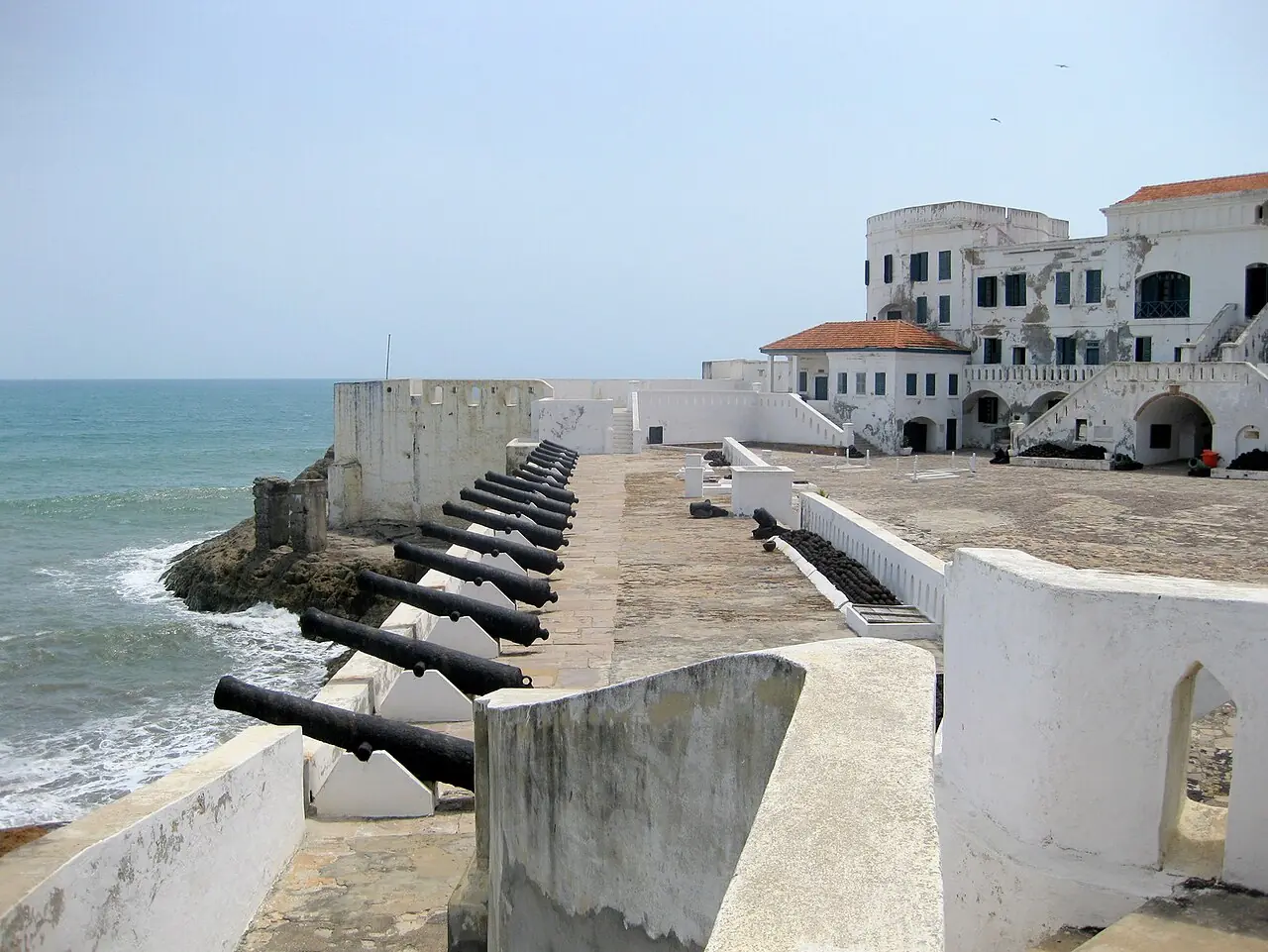 Photo: Rjruiziii · CC BY-SA 3.0
Published by Adama Doumbia, founder of Afrique Unie · updated 28 November 2026 · our method and sources
English-speaking neighbours on the Gulf of Guinea, Ghana and Nigeria share a friendly rivalry that extends to the dinner table, where each claims the best jollof rice. Ghana is a stable, welcoming country where the history of the coastal forts, Ashanti culture and its nature parks can be explored with relative ease. Nigeria, Africa's most populous country, is a cultural giant: Lagos sets the pace for Afrobeats, Nollywood and contemporary African art.
But the two trips do not call for the same preparation: much of Nigeria is subject to official travel warnings, which weighs heavily in the comparison. Here is our analysis.
 Ghana |  Nigeria | |
|---|---|---|
| Capital | Accra | Abuja |
| Best time to go | November to March | November to February |
| Budget | Mid-range | Mid-range |
| Currency | Ghanaian cedi (GHS) | Nigerian naira (NGN) |
| Languages | English, Twi | English, Hausa, Yoruba, Igbo |
| Dishes to try | Jollof rice, banku, fufu | Jollof rice, suya, egusi |
History and memory
GhanaGhana wins: at Cape Coast and Elmina, the UNESCO-listed forts and castles tell the story of gold and then of the slave trade, and the tour of the dungeons to the Door of No Return is deeply moving. Kumasi remains the living capital of the Ashanti kingdom, with its hand-woven kente and adinkra symbols. Nigeria has a prestigious artistic heritage, from Nok terracottas to the bronzes of Ife and Benin, but several of its major sites lie in regions you need to check before you go.
City culture and music
NigeriaNigeria is unbeatable: Lagos, a crowded and creative megacity, offers the art galleries of Victoria Island and Ikoyi, Afrobeat nights in the spirit of Fela, cinemas where Nollywood is enjoyed amid a lively audience, and beaches reached by boat at the weekend. Accra holds its own, with its art scene, fashion, the carved coffin workshops of Teshie and the Jamestown street festival, but Lagos plays in another league.
Nature and safari
GhanaGhana offers more: the canopy walkway in Kakum Forest, and Mole National Park, where you approach elephants on foot with a ranger, a rare experience in West Africa. In Nigeria, the Lekki Conservation Centre on the edge of Lagos has a long walkway over the marshes, but the big parks, such as Yankari, lie in regions where travel needs to be checked very carefully.
Safety and ease of travel
GhanaThis is the deciding factor. Ghana is stable and easy to get around by coach, domestic flight or with a driver; some northern areas, including the Bawku region, are advised against, however, and it is best to avoid driving at night. In Nigeria, France Diplomatie places much of the north-east and north-west and several Niger Delta states in its red zone, and puts Lagos and Abuja on heightened alert. France Diplomatie asks visitors to be met at the airport by a known, identified person, and you should travel with a trusted driver.
Budget
GhanaBoth countries are rated ‘mid-range’ on our site, around €60–120 per person per day, excluding flights. But in Nigeria, accommodation in the secure districts of Lagos and the need for a driver, sometimes an escort, push up the bill considerably. In Ghana, coaches, tro-tros and local food make for simpler travel. The edge goes to Ghana.
Best time to go
A drawThe dry season is best in both countries: November to March in Ghana, November to February in Nigeria. Between December and February, the harmattan sometimes veils the sky with fine dust, especially in the north. December is also the month of homecomings and celebrations, when Lagos is in full swing. A draw.
 Ghana or Senegal
