 AfriqueUnie
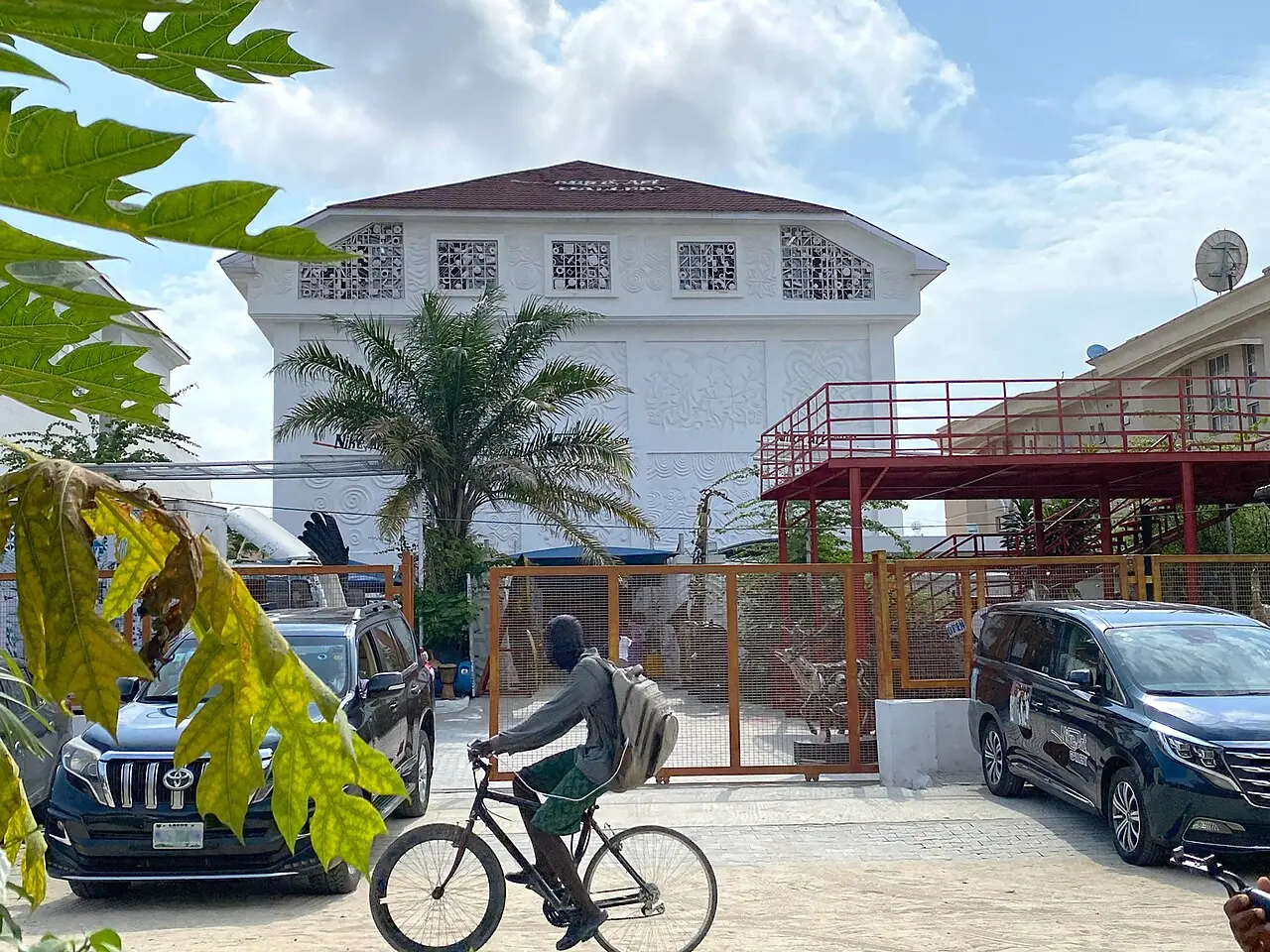 Photo: FrankvEck · CC BY-SA 4.0
Published by Adama Doumbia, founder of Afrique Unie · updated 28 November 2026 · our method and sources
- Days 1-2
Lagos, between art and lagoon
You land in Lagos, a vast metropolis built around a lagoon. Stay on Victoria Island, Ikoyi or Lekki and keep the first day for recovering. The next day, spend the morning at the Nike Art Gallery in Lekki: several floors are packed with thousands of paintings, sculptures and indigo-dyed adire textiles, an excellent introduction to Nigerian art. In the afternoon, head to the Lekki Conservation Centre, a reserve of forest and wetland where a long canopy walkway gives you a view over the treetops. Allow for traffic jams, which can double the length of every journey, and always travel with a trusted driver.
- Day 3
Lagos Island, museum and markets
Cross to Lagos Island, the historic heart of the city. The National Museum in Onikan displays bronzes, masks and pieces from the country's great cultures, including Nok, Ife and Benin. Next door, Freedom Park occupies the former colonial prison, transformed into a cultural space and garden that hosts concerts and exhibitions. For crafts, the Lekki Arts and Crafts Market gathers stalls of fabrics, beads and carvings, ideal for unhurried bargaining. On Lagos Island, as in the markets, crowds are dense: keep your belongings close. In the evening, enjoy the afrobeat music scene at a venue recommended by your hosts.
- Day 4
Badagry and the slave route
Leave early for Badagry, in the west of Lagos State: the distance is modest, but traffic often means two hours on the road, or more. This former port town was one of the embarkation points for captives during the Atlantic slave trade. Visit the heritage museum, housed in a colonial building, then cross the lagoon by boat and walk to the Point of No Return on the beach, where captives were led to the ships. On the way back, stop at the country's first storey building, built by missionaries in the 1840s. Return to Lagos before dark, and do not go near the border with Benin.
- Day 5
Abeokuta and Olumo Rock
Take the highway north to Abeokuta, around two hours away if traffic allows. The city's name means under the rock in Yoruba: in the 19th century, the Egba people took refuge around Olumo Rock, a huge granite outcrop that towers over the town. Climb to the top, by the steps or the lift, past old shelters and shrines that are still revered, then enjoy the view over the tin roofs. Afterwards, head down to Itoku market, famous for its indigo-dyed adire cloth, and watch the dyers at work. Stay within the city itself: the rural areas of Ogun State are subject to advice against all but essential travel from France.
- Day 6
Ibadan, a great Yoruba city
Travel on to Ibadan by the train from Abeokuta, or by road while staying on the motorways under heightened vigilance: back towards Sagamu, then the Lagos–Ibadan Expressway. Allow about three hours depending on traffic. This sprawling city of rusty tin roofs was long one of the most populous in West Africa. Climb Bower's Tower, on Oke Are hill, to take in the vast urban expanse, then pass Cocoa House, the country's first skyscraper, built with cocoa revenues. In the afternoon, stroll around the leafy campus of the University of Ibadan, the oldest in the country, which has a small zoo. Stay in the city: the rest of Oyo State, like the area around Osogbo in neighbouring Osun State, is subject to advice against all but essential travel from France.
- Day 7
Back to Lagos and flight home
Take the Lagos-Ibadan Expressway early in the morning: allow at least two and a half hours to Lagos, much more at rush hour, and plan your departure around your flight time with a generous margin. Murtala Muhammed International Airport is in Ikeja, on the mainland, where traffic is especially heavy. If your flight leaves in the evening, make a final stop at a craft market or a gallery in Lekki for last-minute shopping, leaving your luggage with your driver. Do not linger on foot in mainland districts, where crime levels are higher. Keep a few naira in cash for small expenses until boarding.
Getting around
A car with a trusted driver is essential: traffic in Lagos is among the worst on the continent and taxis hailed in the street are not advised. The highways linking Lagos, Abeokuta and Ibadan call for increased vigilance, but other roads cross advised-against areas. Never drive at night and avoid intercity public transport. A train also links Lagos and Ibadan, stopping at Abeokuta; check the timetable locally.
When to do this trip
The dry season, from November to February, is the most pleasant: less rain, smoother roads and skies often hazy with the harmattan, the dusty wind from the Sahara in December and January. From March to October, the rainy season brings heavy downpours and frequent flooding in Lagos, which makes traffic even worse. The humid heat stays high all year round. During election periods, extra vigilance is needed.
The travel notebook
The itinerary, practical information (entry, health, money, emergencies) and the checklist in a few pages, to print or keep offline on your phone.
Variations
- In 5 days: stay in Lagos for three days, including Badagry, then make the round trip to Abeokuta over two days.
- In 9 days: add another day in Lagos for a boat trip to the lagoon beaches, and an extra night in Ibadan to explore at a gentler pace.
- The Osun-Osogbo Sacred Grove, Calabar and Yankari National Park are excluded: they lie in states where travel is advised against.