AfriqueUnie
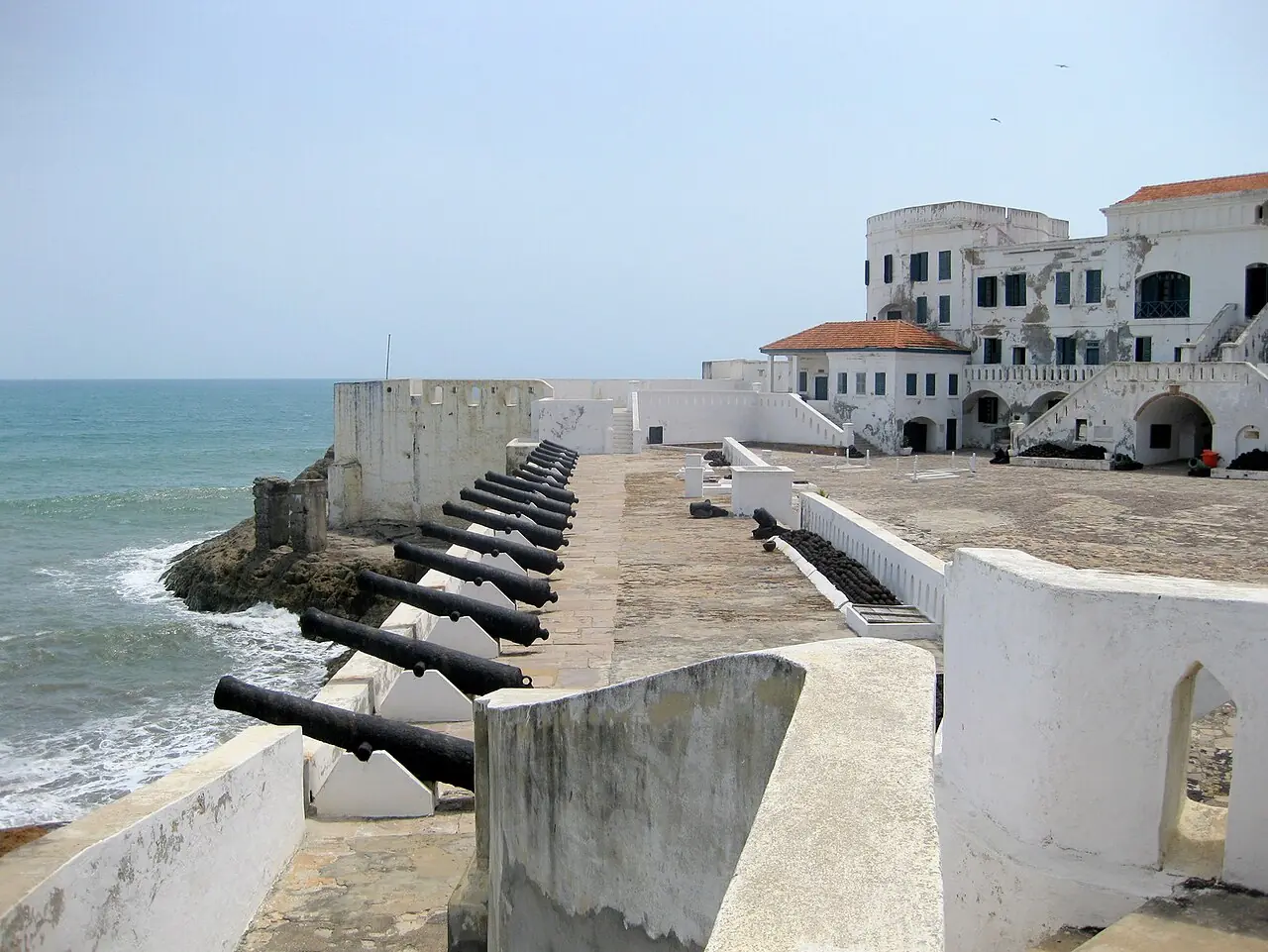 Photo: Rjruiziii · CC BY-SA 3.0
Published by Adama Doumbia, founder of Afrique Unie · updated 28 November 2026 · our method and sources
A journey unlike any other
Around 12 million Africans are estimated to have been deported to the Americas through the transatlantic slave trade between the 16th and 19th centuries. Their descendants now live in the United States, Brazil, the Caribbean, French Guiana, Canada and Europe. For many, the family story stops at a plantation, a register or a name given by an enslaver. A trip to Africa becomes a way of picking up a broken thread.
There is another kind of homecoming too: that of children born in London, Paris, Brussels or Montreal to Senegalese, Ivorian, Cameroonian, Nigerian or Ghanaian parents. They know the homeland through stories, food and summer holidays, but not always from the inside.
The two journeys are different, but they share something: they mix travel, memory and strong feelings. It pays to prepare them carefully, without expecting ready-made answers.
Preparing your research before you go
Start with your living relatives. Talk to the elders, record their memories with their consent, and note first names, nicknames, places, jobs and dates, even rough ones. Photos, letters, family Bibles and death certificates often hold valuable clues. This oral history is the foundation for everything else.
Then turn to the archives. In the United States, the 1870 census was the first to name formerly enslaved people, and Freedmen's Bureau records can take you further back. In the UK, The National Archives hold the slave registers of the British colonies compiled between 1813 and 1834. For the French Caribbean and French Guiana, the French overseas archives in Aix-en-Provence keep colonial civil records and the 1848 registers of newly freed people, which show the surnames given at abolition.
The online Slave Voyages database lists tens of thousands of crossings: ports of departure, ships, dates and ports of arrival. It will not give you your ancestors' names, but it shows where the ships reaching the region where they lived came from. That is often how 'somewhere in Africa' becomes a coastline, then a region.
To be honest, most people of African descent in the Americas cannot trace a specific village or family. Slave-trade records listed cargoes, rarely individuals. The trip can still be deeply meaningful without an exact answer.
Ancestry DNA tests: what they can and cannot tell you
Consumer DNA tests compare your DNA with present-day reference populations and give an estimate by broad region, such as 'Nigeria' or 'Benin and Togo'. The results can help you choose where to travel, but they are probabilities: African reference samples are still limited, today's borders do not match the peoples of three centuries ago, and estimates differ from one company to another.
Mitochondrial DNA tests (your mother's line) and Y-chromosome tests (your father's line) follow just one branch out of hundreds in your family tree. A 'Mende' or 'Yoruba' result is a real clue, but only part of the picture. The real strength of these tests lies elsewhere: they sometimes reveal genetic cousins, in the Americas and in Africa.
Note that recreational and genealogical DNA testing is banned by law in France and regulated in some other European countries. Check the rules where you live and read how your data will be used before ordering a kit.
Countries that welcome the diaspora
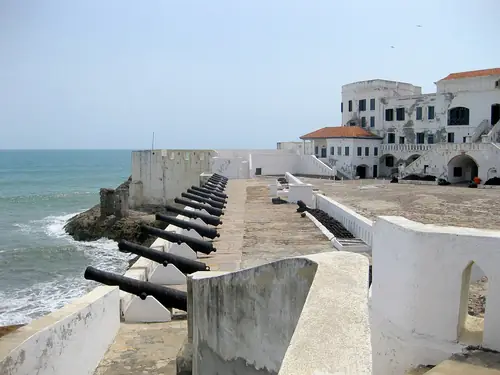
- Ghana: Year of Return and Beyond the Return: Then-President Nana Akufo-Addo launched the 2019 'Year of Return' in Washington in September 2018, marking 400 years since the first enslaved Africans arrived in Virginia. It was followed in December 2019 by 'Beyond the Return', a programme for the 2020-2030 decade. Since the Immigration Act of 2000, people of African descent can apply for a Right of Abode, and Ghana has granted citizenship to members of the diaspora at official ceremonies, including the singer Stevie Wonder in 2024. The castles of Cape Coast and Elmina are the key places of remembrance.
- Ghana: PANAFEST and Emancipation Day: First held in 1992, PANAFEST takes place every two years, notably in Cape Coast and Accra, with theatre, music, a durbar of chiefs and vigils at the castle. It is often linked with Emancipation Day, held in Ghana around 1 August, which marks the abolition of slavery in the British Empire. Check the dates of each edition with the Ghana Tourism Authority.
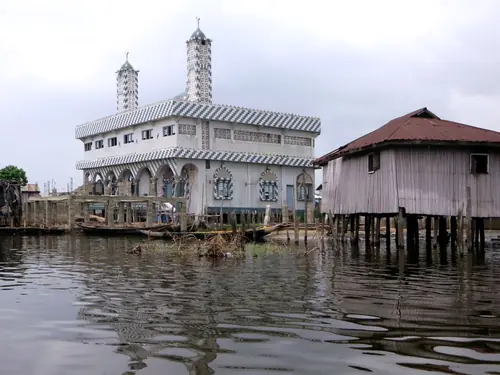
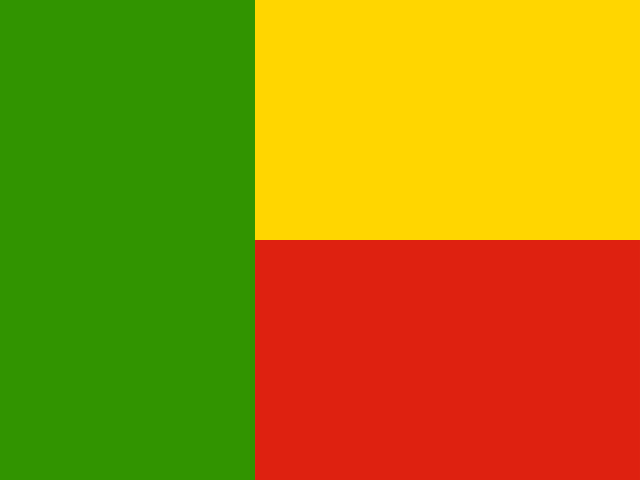
- Benin: citizenship for people of African descent: In September 2024, Benin passed a law opening Beninese nationality to descendants of Africans deported during the slave trade. It came into effect in July 2025, and applications are made on the official My Afro Origins platform (myafroorigins.bj), with proof of ancestry. The American singer Ciara was among the first to benefit, in July 2025. In doing so, the country also acknowledges the role played by the region's kingdoms in the trade.
- Benin: Ouidah and the Vodun Festival: Once a major slave-trading port, Ouidah keeps the Slave Route leading from the town to the beach and the Door of No Return. Every year in early January, the Vodun Festival, held on 10 January since 1998 and now expanded as 'Vodun Days', draws many visitors from the diaspora, notably from Haiti, Brazil and Cuba, where faiths rooted in Vodun survived.
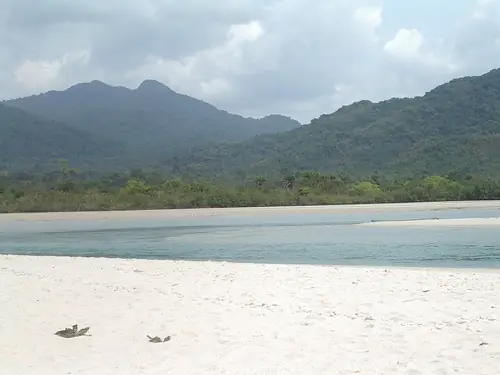
- Sierra Leone: citizenship and DNA: Sierra Leone has granted citizenship to some people of African descent whose DNA tests pointed to Sierra Leonean ancestry, although this is not an automatic right. The American actor Isaiah Washington, who visited in 2006, was the first African American to receive it on this basis. Bunce Island, a former British slave fort, is linked to the Gullah people of South Carolina and Georgia, whose ancestors grew rice on this coast.
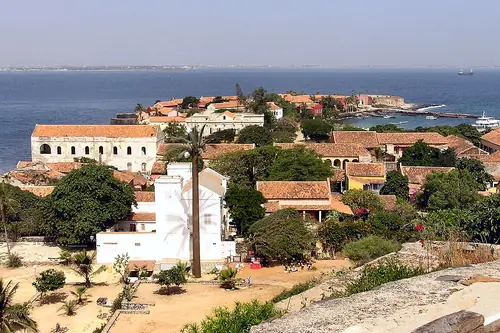
- Senegal: Gorée, a place of memory: The House of Slaves on Gorée, off Dakar, is one of the most visited memorial sites in Africa. Some historians believe the island's actual role in the trade was far smaller than tradition holds, and the debate is still lively. Its symbolic power is not in question: people come here to reflect and to pass the story on.
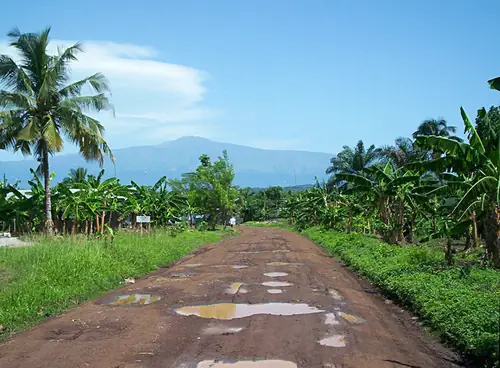
- Nigeria and Cameroon: In Badagry, near Lagos, a museum and the 'Point of No Return' on Gberefu Island recall the slave trade, and in 2017 Nigeria also put up a 'Door of Return' dedicated to the diaspora there. In Cameroon, Bimbia, near Limbe, a former slave-trading site that later became a haven for freed slaves, is drawing more and more visitors.
Experiencing the trip
In several countries, diaspora visitors are welcomed with ceremonies: libations poured for the ancestors, blessings from a chief or queen mother, sometimes an African name. In Ghana, many receive an Akan day name linked to the day they were born, such as Kofi or Afua for Friday. These moments are sincere and often overwhelming; accept them with respect, without mistaking them for an official adoption.
Visiting the castles and memorial sites is hard. Plan a quiet day afterwards, travel with someone you trust if you can, and feel free to step out of a dungeon if it becomes too much. Anger, sadness, pride or even a sense of emptiness are all normal.
Expect some surprises too. You may be called 'obroni' in Ghana or 'toubab' in Senegal, words that mean foreigner more than skin colour. That can sting when you have come 'home'. It is rarely meant as hostility: to many locals, you are first of all a visitor from elsewhere.
Finally, remember that the history of the slave trade is also the history of African societies, some of which took part in the trade while others suffered from it. Listen to local accounts, ask before photographing a ceremony or a person, dress modestly at sacred sites and follow your guides' instructions.
Avoiding scams and disappointment
- Beware of 'we will find your family': Nobody can identify your village or your cousins from an American or Caribbean surname or a DNA percentage. Turn down such promises, especially if you are asked to pay upfront.
- No rushed titles or land deals: Honorary chieftaincy titles and plots of land offered to diaspora visitors can hide disputes. For any property, use an independent local lawyer or notary and check the land title.
- Citizenship: official channels only: Applications for citizenship or residence go through government offices, embassies or official platforms. No middleman can guarantee you a passport.
- Visas and safety: Entry rules change often. Check your government's travel advice (in the UK, the FCDO foreign travel advice on gov.uk) and the website of the embassy of the country you plan to visit.
- Donations and charities: If you want to help a school or a village, go through a well-known organisation that follows projects over time rather than handing out money in the street.
Children of the diaspora: discovering your parents' homeland
For someone born in Europe to Senegalese, Ivorian or Cameroonian parents, a first long stay in the homeland can be confusing. In Dakar, Abidjan or Douala, people may find you too European, too blunt or unsure of local manners. Feeling like a foreigner on both sides is very common. It fades over time as you build your own ties.
Learning a few words of the family language makes a huge difference: greeting people in Wolof, Dioula, Bassa or Twi opens doors and delights the elders. Learn the codes as well: take time over greetings, respect your elders, never turn down a meal and ask before dropping in on someone.
Talk to your parents about their expectations before you leave. The extended family may have requests, including for money, which are best handled with tact and planned for in advance. Take time to see the country for yourself, beyond the family home: its cities, landscapes, young people and modern culture.