AfriqueUnie
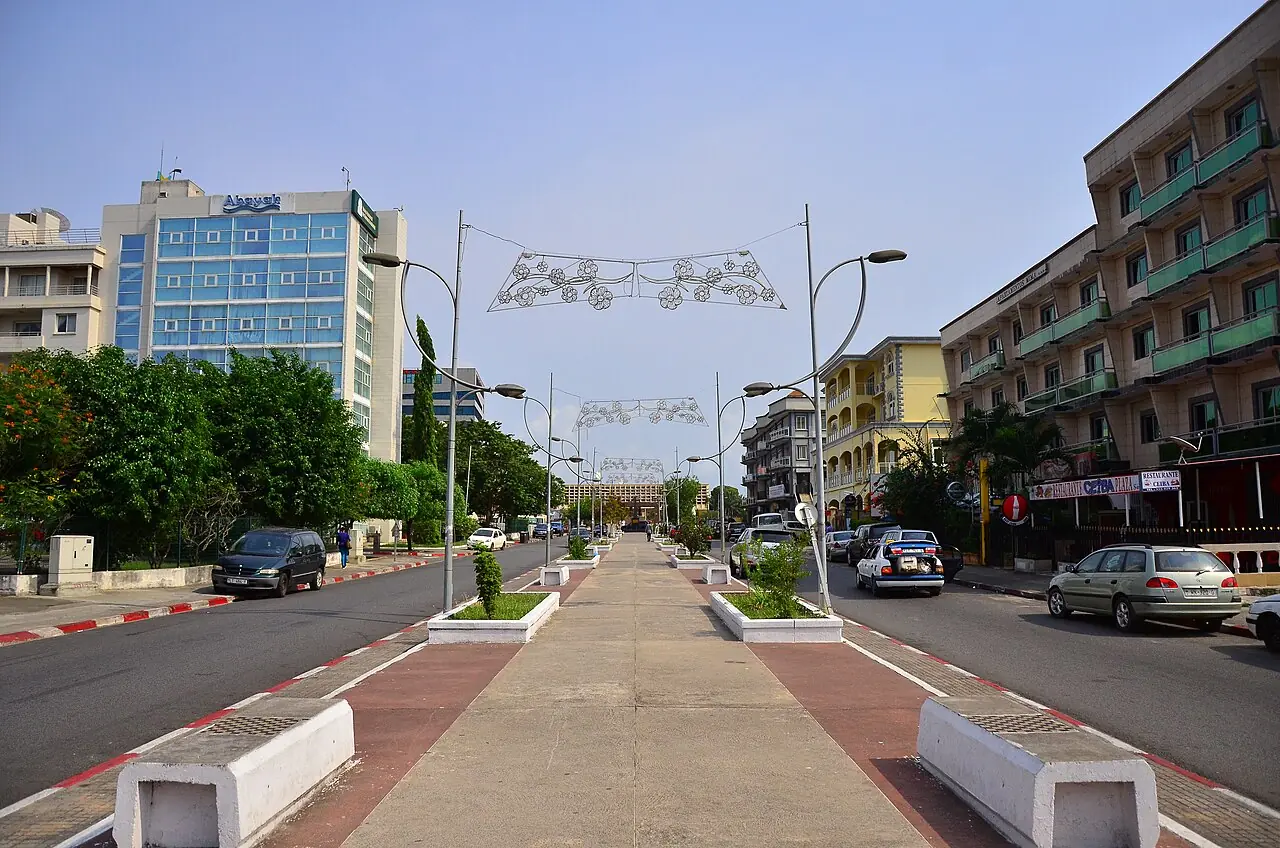 Photo: Ben Sutherland from Crystal Palace, London, UK · CC BY 2.0
Published by Adama Doumbia, founder of Afrique Unie · updated 28 November 2026 · our method and sources
Why visit Bata?
Bata, on the coast of Río Muni, is Equatorial Guinea's largest city and the main economic centre of the mainland. Less steeped in history than Malabo, it wins you over with its long seafront, wide avenues and more relaxed atmosphere. Locals gather there at the end of the day to walk, exercise or chat facing the ocean.
The city has changed a great deal with the oil boom: the seafront promenade has been completely redeveloped, with palm trees, gardens and modern monuments, including the Tower of Liberty, which dominates the coast and offers a panoramic view of the city. The city centre, with its markets and shopping streets, remains lively, especially in the morning.
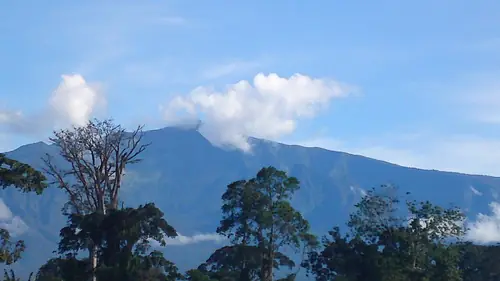
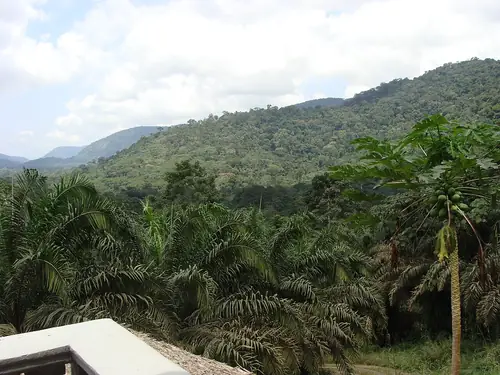
Bata is also the gateway to Río Muni, the mainland part of the country, covered in equatorial forest. From here you head to Monte Alén National Park, the Fang villages of the interior, the beaches of the southern coast and Ciudad de la Paz, the new capital under construction deep inland.
Things to do in Bata: 6 ideas
- 01Seafront promenadeWalk along the waterfront in the late afternoon, among families and joggers.
- 02Tower of LibertyGo up to the top of the tower for a panoramic view of the city and the ocean.
- 03Central marketDiscover the abundance of produce from forest and sea, from spices to smoked fish.
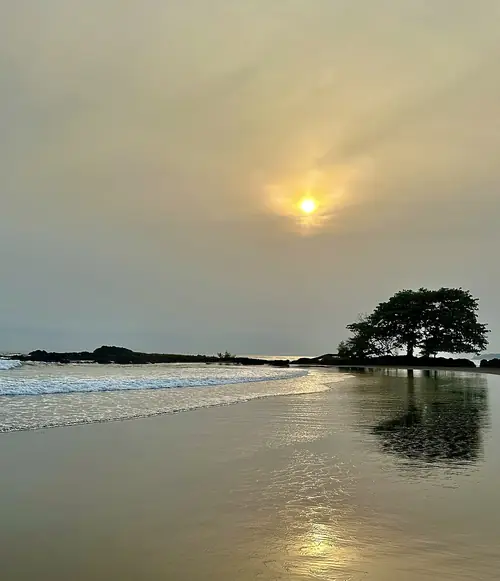
- 04Southern beachesEscape to the quiet, palm-fringed beaches south of the city.
- 05Monte Alén National ParkSet off for a day or two in the equatorial forest in search of wildlife.
- 06Fang villagesWith a guide, discover life in the villages of the interior and their crafts.
Bata in one day
- 01MorningBegin at the central market, the liveliest place in town in the morning, piled high with smoked fish, spices, cassava and forest produce. Go with a driver or a guide rather than alone, leave valuables at the hotel, and never photograph official buildings or people without their consent.
- 02LunchHave grilled fish or pepper soup, a fiery fish or meat broth, with plantain and cassava. The midday heat is intense, so plan a break at your hotel afterwards. Carry CFA francs in cash, as bank cards and cash machines remain scarce.
- 03AfternoonLate in the afternoon, head to the Freedom Tower, opened in 2011 on the seafront, and go up if it is open for a view of the city and the ocean, then stroll along the seafront promenade among families and joggers. Do not photograph public buildings or official convoys: it is forbidden without permission and can lead to arrest, the UK warns.
- 04EveningHave an early dinner near the seafront, then return with a booked driver: France advises against walking the paseo alone or at night, against taking a taxi on your own, even by day, and urges caution around nightlife spots. Keep your passport and visa, or copies, on you for checks.
A second day in Bata
- 01MorningLeave by day, in a hired vehicle with a driver, for Mbini, about forty kilometres south-west at the mouth of the Benito River. You will discover a small coastal town, the estuary and a coastline lined with coconut palms. Stop at every checkpoint, stay courteous and bring water and cash.
- 02LunchEat fresh fish on the coast, then enjoy a quiet beach wearing water shoes: France warns of a high risk of stingrays at the water's edge. Beaches are unsupervised and rescue services limited, so stay close to the shore, never swim alone and give up if the sea is rough.
- 03AfternoonHead back to Bata by mid-afternoon to arrive well before dark, as France strongly advises against driving at night because of road dangers and possible abusive checks. Back in town, stop in the shopping streets of the centre for some fabrics or crafts.
- 04EveningFor your last evening, dine at your hotel's restaurant or at a recommended place you can reach by car. Use the time to plan what comes next: a trip to Monte Alén with a guide and the right permits, or a flight to Malabo, which France advises over the ferry because of attacks on ferries. The UK notes, however, that all known Equatorial Guinean airlines fail to meet international safety standards, so check which carrier you are flying with. Confirm your times, which often change.
What to eat in Bata
Food in Bata blends Fang and Ndowe traditions with Spanish influences. Grilled fish, caught that day, comes with plantain, cassava or rice; pepper soup, a chilli-laced fish or meat broth, is eaten at any time. You will also find slow-cooked stews in peanut or palm-nut sauce, and fish steamed in fresh green leaves.
Markets overflow with tropical fruit, avocados, pineapples and smoked fish, ideal for a quick snack between visits. To eat local food, pick seafront and town-centre restaurants recommended by your hotel and get there by car in the evening. Choose well-cooked dishes and bottled water, and carry cash, as cards are rarely accepted.
Where to stay in Bata
Hotels are concentrated along the seafront and in the city centre, handy for enjoying the promenade and restaurants. The more outlying residential districts have a few quieter places to stay. For a short stay, choose somewhere close to the seafront promenade.
Getting there and getting around
Bata Airport (code BSG) lies north of the city and handles flights from Malabo and a few regional routes. Ask your hotel or agency to send a vehicle: the UK recommends taxis booked through your hotel, and France advises against taking a taxi alone, even by day. Keep your passport and visa to hand, as identity checks are frequent.
There is no public transport company: the safest option is a hired vehicle with a driver, by the day or for excursions. The seafront can be walked by day, preferably in company. Avoid driving at night, stop at every checkpoint and carry copies of your documents and a charged phone.
Frequently asked questions
Is Bata safe?
All of Equatorial Guinea is under heightened vigilance, and France notes a rise in crime in Bata. It advises against walking the seafront paseo alone at night, urges caution with taxis, which have been involved in thefts and assaults, and recommends keeping away from gatherings. Always carry your passport and visa, or copies, as checks are frequent.
How do I get around Bata?
France advises against taking a taxi alone, even by day, and recommends hiring a car with a driver; the UK suggests taxis booked by your hotel or travel operator. There is no public transport company. Avoid driving at night because of road dangers and checkpoints.
How do I get from Malabo to Bata?
By plane: France strongly recommends flying rather than taking a boat, as ferries between Bioko and the mainland have been attacked. The flight is short; book ahead and allow some slack in case the schedule changes.
Can you take photos in Bata?
Carefully: photographing government or military buildings, airports or official convoys without permission is illegal and can lead to arrest. Ask people before photographing them, and if in doubt, don't.
What should I bring for the beaches south of Bata?
Beach shoes: France warns of a high risk of stingrays at the water's edge. Beaches are not supervised and emergency help is limited, so swim carefully. Bring water and cash, as cash machines are scarce and cards are rarely accepted.
How many days should I spend in Bata?
Two days are enough for the city: the market, the Freedom Tower and the seafront promenade, then a trip to Mbini and the southern beaches. Add two days or more for Monte Alén and the inland villages, to be arranged with a guide, a vehicle and the necessary permits, avoiding any driving at night.
What is there to do in Bata in the evening?
Evenings begin on the seafront promenade at sunset, when the whole city gathers there, and carry on over a fish dinner. France advises against walking the paseo alone or at night and urges caution around bars and nightclubs: go out in company and return with a booked driver.
 Equatorial Guinea