AfriqueUnie
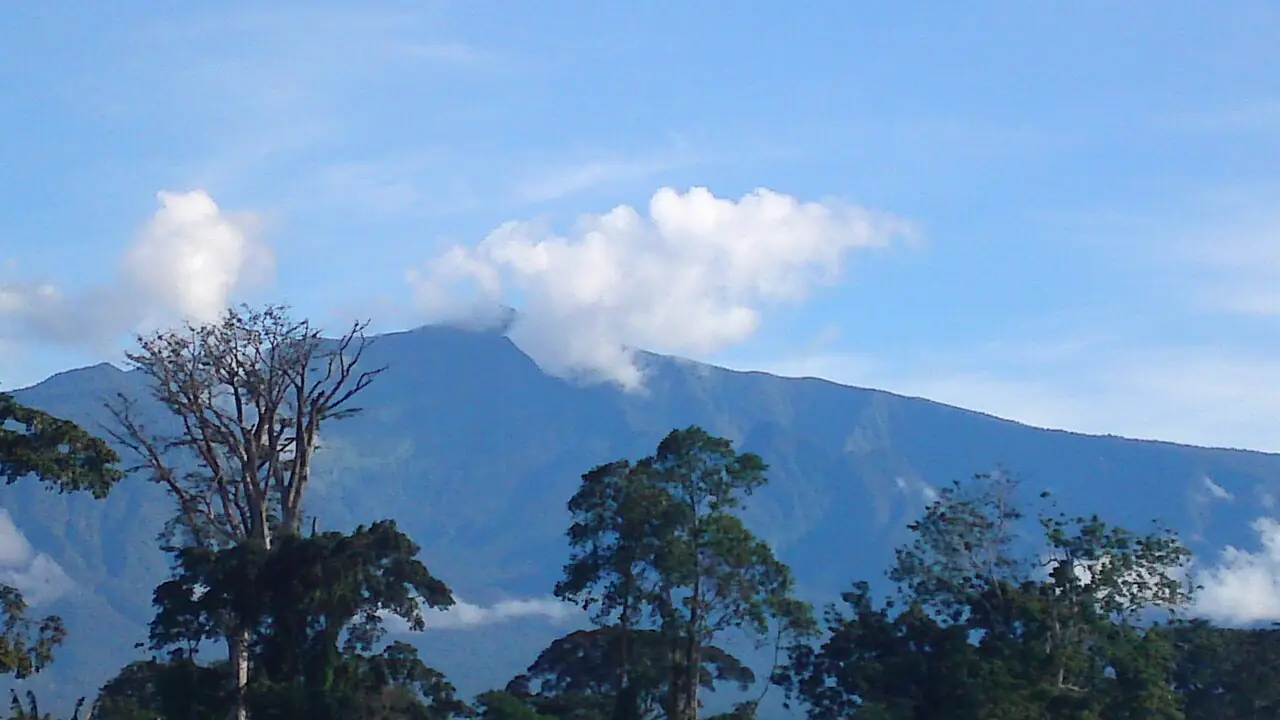 Photo: Serge Moons · CC BY-SA 3.0
Published by Adama Doumbia, founder of Afrique Unie · updated 28 November 2026 · our method and sources
Daily budget
These are rough figures per person per day, excluding the international flight, visa and vaccines. They cover accommodation (two people sharing a room), meals, local transport and a few visits.
On a tight budget, it is hard to spend less than roughly €80 to €130, because cheap accommodation is rare and there is no public transport company. For a comfortable trip, allow about €180 to €300, with a good hotel in Malabo or Bata and a rented car with driver. At the top end, allow €350 or more in Malabo's large international hotels.
The country receives very few tourists: many visitors go through a local agency or a contact on the ground, which makes the invitation letter required for the visa easier to get, but adds to the cost.
What is expensive and what costs next to nothing
- Accommodation: The biggest cost: hotels in Malabo and Bata mainly target business and oil-industry travellers, with prices to match.
- Getting around: With no organised public transport, you need a car with driver, which the French foreign ministry recommends over taxis. Between Bioko and the mainland, fly: ferries have been attacked.
- Local meals: Small restaurants and markets remain affordable; restaurants in the business districts charge European prices.
- Excursions: Pico Basilé, the beaches of Ureca or Monte Alén park are best done with an experienced guide or agency, especially as emergency help is limited.
- Visa and paperwork: On top of the visa fee, which we could not confirm, come a criminal record certificate, an endorsed invitation letter and sometimes an agency.
Money: Central African CFA francs, cash and cards
The currency is the Central African CFA franc (XAF), pegged to the euro at a fixed rate: €1 is worth 655.957 CFA francs. Despite the same value, it is not used in West Africa (the XOF zone). Local banks change cash euros, British pounds and US dollars.
In theory cards can be used in Malabo at banks, the airport, some chain stores and upmarket hotels, but the French foreign ministry notes that technical problems often prevent it. The UK government mentions only a few major hotels. There are few cash machines, in Malabo and Bata, and only some accept international cards: bring most of your money in cash.
Foreign currency must be declared on entry and exit: keep the declaration until you leave.
Tipping is not compulsory; a small amount for a driver or guide is appreciated.
Visa and passport
Information checked in November 2026. These rules can change: read the official sources again before you travel.
French and British nationals need a visa. The UK government says you complete the online application and upload the documents, processing takes 72 hours, and you print the e-visa letter, on the basis of which border officials issue the visa on arrival; you can also apply in person at the embassy. The French foreign ministry lists the embassy in Paris or the e-visa site it references (equatorialguinea-evisa.com), and says a visa cannot be obtained on arrival without this prior step. Short-stay visas are valid for up to 90 days. Other EU, Swiss and Canadian citizens should check with the embassy.
The application is demanding: a signed form, a passport valid for at least six months on the date of application, two photos, a criminal record certificate, an invitation letter ('Carta de Llamada') endorsed by the Ministry of National Security, a vaccination certificate including yellow fever, a return ticket and a hotel booking. We could not confirm the official fee: check it with the embassy before paying anything online.
On arrival, fingerprints and a photo are taken. Make sure the visa and the entry stamp are put in your passport: the UK government reports travellers delayed or threatened with detention because their passports were not properly processed. Always carry your passport and visa, or copies: checks are frequent.
Safety: neither the UK government nor the French foreign ministry formally advises against any area, but the whole country calls for heightened vigilance. The French ministry advises avoiding gatherings, especially near public buildings, walking the 'paseos' of Malabo and Bata alone at night, and taking care in the mainland border areas, notably with Cameroon and around Ebebiyin. It reports rising crime in some Malabo districts and thefts involving taxis. Roadblocks are common, and photographing government or military buildings or airports is illegal and can lead to arrest.
Health and vaccinations
Yellow fever: a certificate is required for travellers over 9 months arriving from a country where the disease is present, including after a transit of more than 12 hours in such a country. The French foreign ministry strongly recommends it for everyone else and says the certificate may be asked for in any case; it is also part of the visa application, and the UK government lists it as required. In practice, get vaccinated at least ten days before departure.
Malaria is present all year throughout the country, on Bioko island as on the mainland. Prevention combines protection against mosquito bites and preventive medication prescribed by a doctor. If you develop a fever, seek medical advice straight away.
The French foreign ministry also warns of cholera and of the limited capacity of medical facilities, notably for diving and forest excursions, where antivenom is hard to obtain quickly. Check your routine vaccines and ask about hepatitis A, typhoid and rabies. Insurance covering medical evacuation is essential.
Before you go: the checklist
- Passport: Valid for at least six months on the date of your visa application, with free pages.
- Visa: Apply online or through the embassy several weeks before you leave, with a criminal record certificate and an endorsed invitation letter.
- Yellow fever: International vaccination certificate, with the vaccine given at least ten days beforehand.
- Malaria: A medical appointment a few weeks before departure.
- Official sources: Read the Equatorial Guinea page on gov.uk/foreign-travel-advice and the Guinée équatoriale page of « Conseils aux voyageurs » on diplomatie.gouv.fr, including the rules on photography and checks.
- Copies: Copies of your passport and visa to carry, originals somewhere safe, and repatriation insurance.