AfriqueUnie
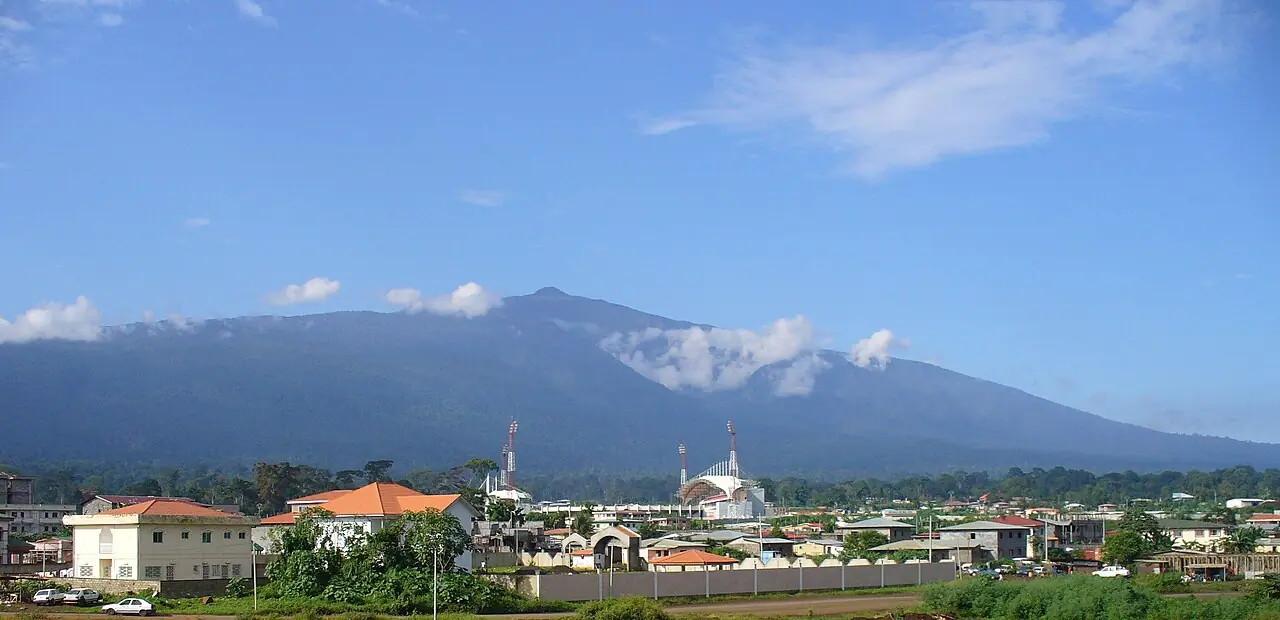 Photo: Jmhi · CC BY-SA 4.0
Published by Adama Doumbia, founder of Afrique Unie · updated 28 November 2026 · our method and sources
Why visit Malabo?
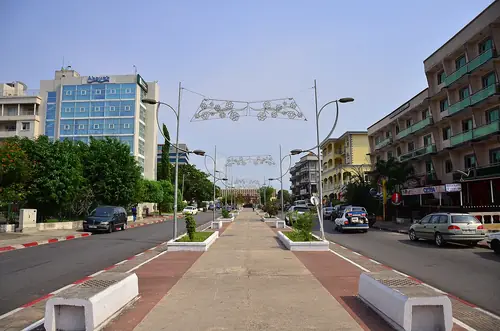
Malabo, on the north coast of Bioko island, is one of Africa's most unusual cities; it was the country's capital until the official move to Ciudad de la Paz in January 2026. Founded by the British in the nineteenth century as Port Clarence, then renamed Santa Isabel under Spanish rule, it keeps a compact historic centre of colonial houses with wooden balconies, palm-planted squares and grid-pattern streets running down to a bay formed by an ancient crater.
Its most iconic monument is Santa Isabel Cathedral, a neo-Gothic building with two slender towers that dominates the main square. Nearby, the presidential palace, government buildings and the very active Spanish Cultural Centre recall the city's dual identity. The redeveloped seafront makes a lovely walk at the end of the day, with the volcano of Pico Basilé as a backdrop when the clouds allow.
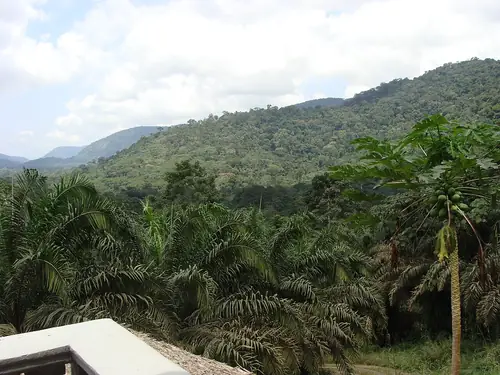
The city has spread considerably with the oil boom, with new districts to the east, home to modern hotels, conference centres and the Sipopo area. Malabo is the ideal base for exploring Bioko: cocoa plantations, mountain forests, black-sand beaches and fishing villages.
Things to do in Malabo: 6 ideas
- 01Santa Isabel CathedralAdmire this neo-Gothic building, the city's symbol, on Independence Square.
- 02Historic centreWander among the colonial houses with wooden balconies and the shady squares of old Malabo.
- 03Spanish Cultural CentreCatch an exhibition, concert or screening at one of the city's liveliest cultural venues.
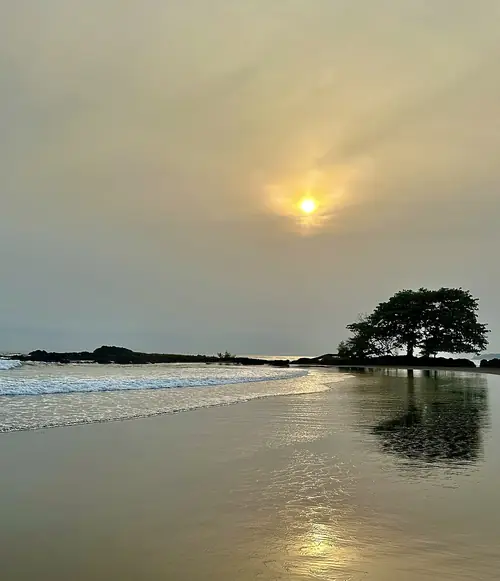
- 04SeafrontStroll along the bay at sunset, as the heat eases off.
- 05Cocoa plantationVisit an old finca near the city to understand Bioko's cocoa-growing history.
- 06Central marketImmerse yourself in the market to discover tropical fruit, smoked fish and spices.
Malabo in one day
- 01MorningStart at Independence Square and Santa Isabel Cathedral with its twin neo-Gothic towers, then stroll the grid of streets in the historic centre, past houses with wooden balconies and the Casa Verde, a prefabricated colonial house. The presidential palace is next door: put your camera away, as photos are strictly forbidden.
- 02LunchEat near the central market, where small canteens serve grilled fish, plantain and pepesup, a spicy fish or meat broth. Browse the stalls of tropical fruit and smoked fish afterwards, keeping your documents on you, as police checks are frequent.
- 03AfternoonEscape the heat at the Spanish Cultural Centre, which hosts exhibitions, screenings and concerts, or at the French-language cultural institute. Check their programmes in advance: an opening or evening concert is often the best way to meet the city's art scene.
- 04EveningHead to the seafront late in the day to watch the sun set over the bay, in a group and without valuables: the French foreign ministry advises against walking the paseos alone at night. Go to dinner by car with driver rather than in a taxi hailed in the street.
A second day in Malabo
- 01MorningLeave early with a recommended driver for southern Bioko and the road that climbs to the Moka highlands, through montane forest. The day before, ask your accommodation whether any permits are needed to leave Malabo, and keep your passport and visa to hand at checkpoints, where you must stop and stay courteous.
- 02LunchPicnic in the cool air of the Moka plateau, over a thousand metres up, where it is far less stifling than in the city. With a guide, a walk takes you towards the crater lakes. Wear closed shoes and stay alert: dangerous snakes live in the forest.
- 03AfternoonDrop down to Luba, the island's second town, on a sheltered bay, then stop at a beach on the west coast. Wear beach shoes to go into the water, as the risk of rays near the shore is high, and do not swim far out.
- 04EveningHead back to Malabo early enough to arrive before dark: French authorities strongly advise against driving at night in Equatorial Guinea. End with a grilled fish dinner and a glass of topé, the local palm wine, in moderation.
A little history
Bioko, home to the Bubi people, was reached by Portuguese navigators in the late 15th century and ceded to Spain in 1778. As Spain made no lasting settlement, it was the British who founded the town in 1827 as Port Clarence: the Royal Navy used it as a base against the slave trade on the West African coast, and freed Africans settled here. Spain took back control in the mid-19th century and renamed the town Santa Isabel, after Queen Isabella II.
Capital of Equatorial Guinea at independence on 12 October 1968, the city was renamed Malabo in 1973, after a Bubi king, under Francisco Macías Nguema. Teodoro Obiang Nguema seized power in 1979, and the discovery of oil off Bioko in the 1990s transformed the city, bringing roads, tower blocks and new districts to the east as far as Sipopo. On 2 January 2026 a presidential decree proclaimed Ciudad de la Paz, on the mainland, the new capital, giving state institutions a year to move there; Malabo remains, with Bata, one of the country's two main economic hubs.
What to eat in Malabo
Equatoguinean cooking blends Bubi, Fang and Spanish influences. Fish and seafood feature heavily, grilled or in sauces, served with plantain, cassava or rice. Pepesup, a peppery fish or meat broth, is the ultimate comfort dish, and peanut or leaf sauces go with chicken and smoked fish. The Spanish legacy shows in tortillas, coffee and small plates served at aperitif time.
To drink, there's topé, fermented palm wine, and malamba, an alcoholic drink made from sugar cane, best taken in moderation. For local food, head to the central market, the small eateries of the working-class districts and the fish grills set up near the seafront in the evening; elsewhere the city mostly offers international menus.
Where to stay in Malabo
The historic centre, around the cathedral and Independence Square, lets you do everything on foot and has the most authentic atmosphere, with a few simple hotels. The eastern districts, towards the airport and Sipopo, have the modern international hotels, more comfortable but far from the heart of the city. For a good compromise, choose somewhere to stay near the seafront.
Getting there and getting around
Malabo International Airport (code SSG) lies west of the city, about eight kilometres from the centre, a quarter of an hour by taxi. International flights are limited, with links to Europe and several West and Central African capitals, plus flights to Bata on the mainland. You must get your visa before you travel: it is not issued on arrival.
In town, taxis, often shared, are hailed in the street, but France Diplomatie advises against taking one alone, even by day, and recommends a hired car with a driver; the historic centre is easy to explore on foot. To leave Malabo and explore Bioko, the simplest option is a driver or guide recommended by your accommodation; check too whether any permits are required. The currency is the Central African CFA franc, pegged to the euro: foreign cards are rarely accepted and ATMs are unreliable, so bring euros in cash to change locally.
On safety, France Diplomatie places the whole country under heightened vigilance and reports a rise in crime in Malabo linked to the economic crisis: avoid walking around at night and keep your papers on you, as checks are frequent. The best time to visit is December to February, Bioko's dry season; the rest of the year is wet and humid, especially from June to October.
Frequently asked questions
How many days do you need in Malabo?
One day is enough for the historic centre, Santa Isabel Cathedral and the seafront. Allow two or three more days to discover Bioko: the Moka highlands, the black-sand beaches of the south and the town of Luba.
Do you need a visa for Malabo?
Yes, for most travellers, and you must get it before you leave, online or from an embassy, as it is not issued on arrival. A yellow fever vaccination certificate is also mandatory. Check the latest requirements with the Equatoguinean authorities before booking.
When is the best time to visit Malabo?
December to February, the dry season, brings the most pleasant weather and makes Bioko's roads easier to travel. It is also when sea turtles come ashore to nest on the island's southern beaches. The rest of the year, showers are frequent and Pico Basilé is often lost in cloud.
What is there to see around Malabo?
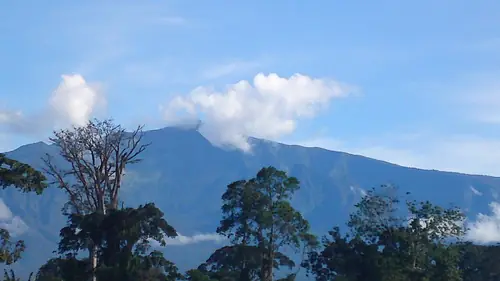
Pico Basilé, the country's highest peak, towers over the city to the south-east. Further afield, the Moka plateau has crater lakes and montane forest, and the beaches of Ureca, in the south, are visited by nesting sea turtles. Luba, the island's second town, sits on a bay to the south-west.
What is there to do in Malabo in the evening?
Watch the sunset over the bay from the seafront, catch a concert or screening at the Spanish Cultural Centre, then have a grilled fish dinner. Do not walk the paseos alone at night, stay alert around bars and use a car with driver rather than taxis.
How do you get from Malabo to Bata?
Flying is easiest: domestic flights link Malabo airport with Bata, on the mainland, in under an hour. The French foreign ministry strongly recommends flying rather than taking the boat, as ferries between the island and the mainland have been attacked.
 Equatorial Guinea