AfriqueUnie
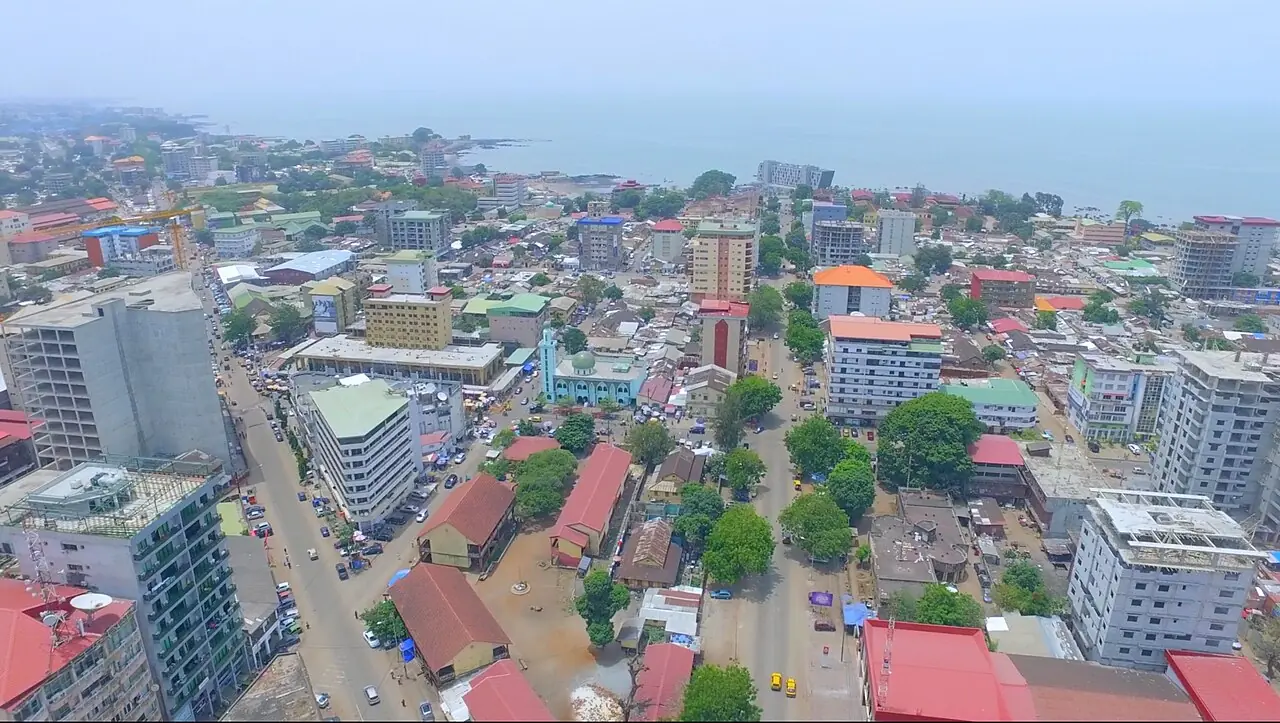 Photo: Boubacar Bila Diao Balde · CC BY-SA 4.0
Published by Adama Doumbia, founder of Afrique Unie · updated 28 November 2026 · our method and sources
Why visit Conakry?
Conakry stretches along a long peninsula, the Kaloum peninsula, that juts out into the Atlantic, and onto the mainland beyond it. The result is a long, narrow city, crossed by main roads that are often gridlocked, where life moves to the rhythm of traffic jams, markets and the ocean. It is not a capital that wins you over at first sight: it is dense, noisy and sometimes exhausting. But it has an energy and a cultural life that you discover little by little.
Kaloum, the historic tip, is home to the ministries, banks, port and a few colonial-era buildings. Further on, working-class districts such as Madina and Matam teem with activity. The city is also your way out to the ocean: a short boat ride takes you to the Îles de Los, where Conakry's residents escape at weekends.
Above all, Conakry comes alive at night. Bands, drummers and dancers keep alive a musical tradition that has made the country's name since independence, and evenings of concerts, weddings and naming ceremonies are its finest expression.
Things to do in Conakry: 6 ideas
- 01Madina marketA huge market where you can find absolutely anything, from fabrics to spare parts; visit with care and with someone to accompany you.
- 02The National MuseumA collection of masks, statues and ritual objects from the different regions, in the Sandervalia district.
- 03The Faisal MosqueOne of the largest mosques in West Africa, visible from afar.
- 04The Îles de LosA day of beach and peace and quiet, a short boat ride away.
- 05A night of musicListen to a live band or a djembe show in one of the city's clubs.
- 06Camayenne botanical gardenA shady island of greenery dating from the colonial era, for a quiet break.
Conakry in one day
- 01MorningStart in Kaloum before the traffic builds, at the National Museum in the Sandervalia quarter: masks, statues and ritual objects from across the country's regions. Then take a drive around the historic tip of the peninsula, between colonial buildings, ministries and the port, without photographing official buildings.
- 02LunchHave lunch at a small restaurant in Kaloum: rice with leaf sauce or groundnut sauce, the great Guinean classics, washed down with a fiery ginger juice. Choose a busy place and keep your driver nearby, as parking in the centre is difficult.
- 03AfternoonDrive up the corniche to Camayenne for the botanical garden, founded in 1897, the oldest experimental garden in West Africa and famous for its huge kapok trees. The Grand Faisal Mosque stands just to the north: admire it from outside, dressed modestly, outside prayer times.
- 04EveningGet back to your accommodation before nightfall and have dinner there: the French Foreign Ministry strongly advises against travelling at night and recommends moving around only in daylight, because of armed robberies and carjackings. For music, look out for late-afternoon or daytime weekend concerts.
A second day in Conakry
- 01MorningBoard a boat at Boulbinet port in Kaloum for the Îles de Loos, ideally early. Choose a boat in good condition with life jackets, and agree on the return time with the pilot. The crossing to Kassa or Roume takes between half an hour and an hour, depending on the island.
- 02LunchOn the island, have lunch on braised fish at one of the small beach shacks, with attiéké or plantain chips. Life moves slowly here, far from the noise of the capital, so take time to walk the paths and chat with the fishermen.
- 03AfternoonEnjoy the beach and water clearer than in Conakry, staying close to the shore, and ask locally about currents before swimming. Take the boat back by mid-afternoon to return before dark, as the sea can get rough later in the day.
- 04EveningBack on the mainland, before dark, try some grilled food along the northern corniche in Camayenne or Dixinn, travelling by car, then return to your accommodation before nightfall. Leave very early if you are flying the next day: the airport road is often gridlocked, and the French Foreign Ministry advises against making that journey at night.
A little history
Conakry was little more than a group of Baga and Susu fishing villages when the French settled here at the end of the 19th century, first on Tombo Island at the tip of the peninsula. The town was laid out on a grid, given a port and became the capital of the colony of French Guinea. The Kaloum district still has its regular street plan, a few verandaed villas and Sainte-Marie Cathedral from that period.
On 28 September 1958, Guinea was the only territory of French West Africa to vote “no” in the referendum put forward by General de Gaulle. It declared independence on 2 October 1958 and Conakry became the capital of the new state, led by Ahmed Sékou Touré. Under his rule, culture was put at the service of the nation: the Ballets Africains, the national instrumental ensembles and bands such as Bembeya Jazz took Guinean music around the world.
The city has grown enormously since then: it now has around two million inhabitants and stretches for dozens of kilometres inland. The port, which handles bauxite exports among other things, remains the engine of its economy.
What to eat in Conakry
Guinean food is generous and built around rice, served at almost every meal. Try rice with sauce feuille, made with pounded cassava or sweet potato leaves, peanut sauce, jollof-style riz gras and, in the open-air bars along the corniche, grilled fish served with attiéké or plantain chips. Fonio, a fine grain grown in the Fouta Djallon highlands, also turns up on some menus.
To drink, fiery ginger juice and bissap, made from hibiscus flowers, are everywhere. In the evening, the small restaurants and street grills of Kaloum, Camayenne or Kipé are a simple, cheap way to eat; pick busy places and well-cooked dishes.
Where to stay in Conakry
Kaloum, at the tip of the peninsula, is handy for official business and close to the port, but very congested during the day. The Camayenne, Dixinn and Ratoma districts, along the northern corniche, have many hotels, serviced apartments and restaurants, some with ocean views. Closer to the airport, some areas are suitable for a first or last night. Guesthouses and serviced residences are often warmer than the big business hotels.
Getting there and getting around
Ahmed Sékou Touré International Airport (code CKY) is in Gbessia, about fifteen kilometres from the centre. Depending on traffic, the ride to Kaloum takes from thirty minutes to more than an hour: the easiest option is to ask your hotel to arrange the transfer, especially if you land at night.
In town, yellow shared taxis follow fixed routes and motorbike taxis weave through the jams, but they are riskier. For sightseeing, a private taxi or a driver hired for the day is usually the most comfortable choice; always agree on the fare before setting off. Boats to the Îles de Loos leave from Boulbinet port in Kaloum, with a crossing of thirty minutes to an hour depending on the island.
The currency is the Guinean franc. ATMs are concentrated in Kaloum and the large hotels, and cash is essential for everyday spending: withdraw or change enough before you leave the centre.
Frequently asked questions
How many days do you need in Conakry?
Two to three days are enough for Kaloum, the National Museum, the Faisal Mosque, a market and a day on the Îles de Loos. Conakry is then often the starting point for the Fouta Djallon highlands and their waterfalls, a few hours' drive away.
When is the best time to visit Conakry?
The dry season, from November to April, is the most pleasant. Avoid July and August if you can: Conakry is one of the wettest capitals in the world, with more than a metre of rain a month at the height of the season.
Do you need a visa for Conakry?
Yes, for most travellers. You apply online before you leave, then the visa is issued on arrival at Conakry airport after your fingerprints are taken. A yellow fever vaccination certificate is also required. Check the latest rules on your government's travel advice website before booking.
How do you get to the Îles de Loos?
Boats leave from Boulbinet port in Kaloum, mostly in the morning and at weekends. Kassa and Room are the most visited islands, with a few simple places to stay and quiet beaches. Leave early and agree on a return time with the boatman.
Is Conakry safe for tourists?
You need to stay alert, as in many big cities: avoid walking alone at night, carry few valuables and keep away from gatherings and demonstrations. Read your government's travel advice before you go.
What is there to do in Conakry in the evening?
Conakry is famous for its music: live bands, djembe shows and wedding parties liven up the city, especially at weekends. However, the French Foreign Ministry strongly advises against travelling at night and reports robberies and carjackings, so enjoy concerts by day or in late afternoon and spend the evening at your accommodation.
Can you swim in Conakry?
The beaches on the peninsula are not well suited to swimming. For a proper beach day, head to the Îles de Loos, a short crossing from Boulbinet port, and ask locally about currents. Choose a boat with life jackets and be back before dark.
 Guinea