AfriqueUnie
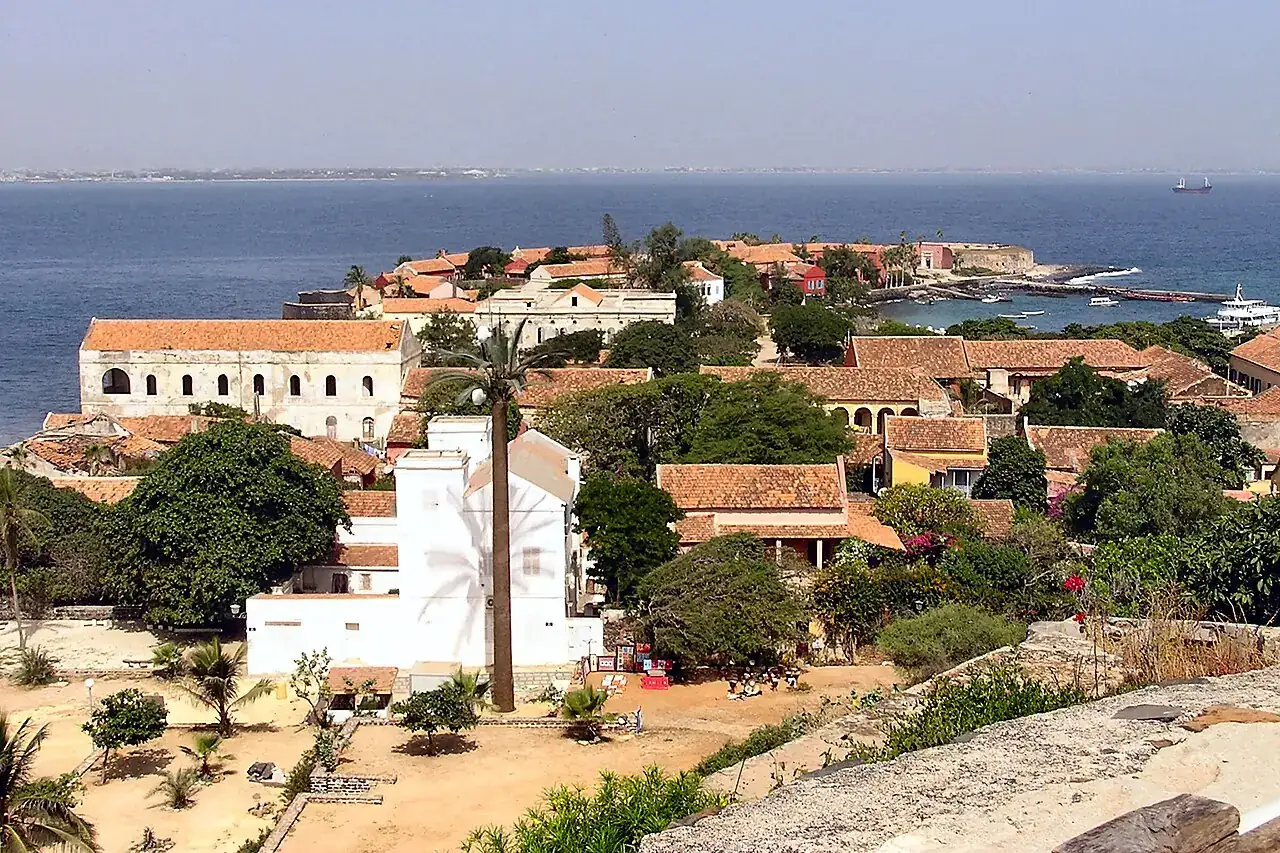 Photo: Manu25 · CC BY-SA 4.0
Published by Adama Doumbia, founder of Afrique Unie · updated 16 November 2026 · our method and sources
What is Tabaski?
Eid al-Adha, the Feast of the Sacrifice, commemorates Abraham (Ibrahim), who was ready to sacrifice his son in obedience to God before a ram was sent in his place. It falls on the 10th of the month of Dhu al-Hijjah, the month of the pilgrimage to Mecca. It is called Tabaski in Senegal, Mali, Guinea, Côte d'Ivoire, Benin, Togo and Burkina Faso, Tobaski in the Gambia, and Eid al-Kabir (the great feast) in Morocco, Algeria and Nigeria.
On the day, after the communal morning prayer, every family that can afford it sacrifices a sheep. The meat is shared between the family, neighbours and those in need. People wear new clothes, visit relatives and, in many West African families, ask one another for forgiveness for the year's wrongs. Above all it is a family occasion: most city dwellers go to join their parents, in town or in the village.
What is the date of Tabaski 2027?
The date depends on the Islamic lunar calendar. Our 2027 public holidays list gives 17 May 2027 as the estimated date in most countries (the Day of Arafah, the eve of the feast, is a holiday on 16 May in Djibouti and Libya). In our summary of the main shared holidays we therefore give: Eid al-Adha (Tabaski, Feast of the Sacrifice) around 16 or 17 May 2027.
The official date is only announced a few days before, after the sighting of the crescent moon that opens the month of Dhu al-Hijjah, by each country's religious authorities or moon-sighting committees. It can differ by a day from one country to another, and sometimes from one community to another within the same country. Governments may also extend the holiday by a day or two. If you are booking a trip around the feast, keep a day's margin on either side.
What changes for travellers
- Transport before the feast: In the days before Tabaski, huge numbers of city dwellers leave the big cities to join their families. In Dakar, bus stations, coaches and roads to the regions are packed. Avoid travelling by road on the two days before the feast, or leave very early in the morning.
- Flights: Demand rises sharply on flights from Europe to Dakar, Abidjan, Conakry, Nouakchott and Casablanca in the weeks before the feast, then on return flights in the days after. Book early if you want to fly the weekend before the feast.
- The day itself: Shops, markets, offices and banks close for one or more days depending on the country. Hotels, lodges and tourist sites usually stay open, but taxis and transport become scarce. Plan to stay put that day and withdraw cash the day before.
- Sheep markets: In the preceding weeks, sheep markets spring up all over town, along roadsides and on empty plots. It is an astonishing sight, but also a cause of traffic jams.
- After the feast: Life gradually resumes after two or three days, as people return to town. Journeys back to the capitals and to the airport are busy: leave in good time for your flight.
What is the weather like in mid-May?
May averages from our climate data for each country's reference city: a trend, not a forecast.
- Senegal (Dakar) and the Gambia (Banjul): The end of the dry season: around 26°C in the afternoon in Dakar, 21°C at night, and no rain. In Banjul afternoons approach 32°C. The rainy season usually only begins in July.
- Mauritania (Nouakchott): Dry and hot, around 34°C in the afternoon. Inland the heat becomes intense: keep the desert for the winter.
- Morocco (Rabat): Around 24°C in the afternoon and 13°C at night, with little rain (18 mm). May is one of the best months in Morocco, although Marrakech and the south are starting to heat up.
- Côte d'Ivoire and the Gulf of Guinea: The main rainy season is setting in: around 155 mm of rain in May in Yamoussoukro, 151 mm in Accra and more than 200 mm in Cotonou. Expect downpours and slower roads.
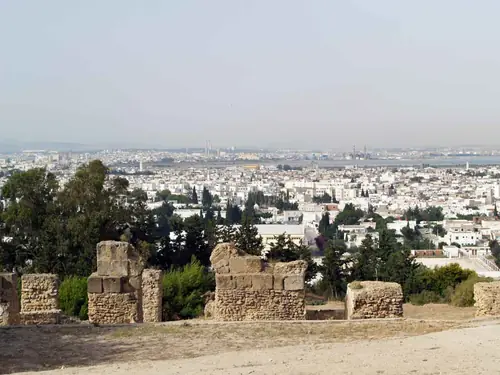
- Egypt (Cairo) and Tunisia (Tunis): It is already hot in Cairo, around 32°C, and Upper Egypt often exceeds that. In Tunis, around 27°C in the afternoon: a good season for the coast.
- Zanzibar and the Swahili coast: Muslims on the Kenyan and Tanzanian coast also celebrate Eid, but May falls in the middle of the long rains in East Africa.
Events in May 2027
- Saint-Louis Jazz Festival (Senegal): From 4 to 8 May 2027 in the former capital, a few days before Tabaski.
- Kelâat M'Gouna Rose Festival (Morocco): Early May in the Dadès Valley, on dates that follow the rose harvest: they have not yet been announced for 2027.
- MTN Bushfire (Eswatini): From 28 to 30 May 2027 in the Malkerns Valley, if you combine your trip with southern Africa at the start of the dry season.
- Fes Festival of World Sacred Music (Morocco): Late May or early June; the 2027 dates have not yet been announced.
Going home to celebrate Tabaski with family
For the West African diaspora, Tabaski is often the big event of the year. As its date is only confirmed a few days before, book a stay that comfortably covers the estimated date: arriving three or four days before 16 May and leaving a few days after the 17th gives you a margin if the feast moves by a day. Buy your tickets several months ahead, especially for a departure on the weekend before the feast.
Agree on the arrangements with your family, especially buying the sheep, which is often paid for remotely by money transfer before you arrive. Think about festive clothes, presents and your ticket's baggage allowance. If you are bringing a partner or friends who are new to the celebration, explain how the day unfolds: the morning prayer, the sacrifice, the shared cooking and the afternoon visits.
If your family lives in a country or region the authorities advise against travelling to, such as Mali, Burkina Faso or Niger, read the official advice before you go, sign up for your foreign ministry's alerts (FCDO email alerts in the UK) and follow the guidance of your family on the ground.
Invited to the celebration: good habits
- Clothing: Wear smart, covering clothes; women may want to bring a headscarf for the prayer. Many guests enjoy dressing in local style, in a boubou or an outfit made from fabric chosen for the occasion.
- Photos: Always ask before taking photos, especially during the prayer and the sacrifice, which remain religious moments.
- The sacrifice: It takes place in the courtyards of homes. If you are squeamish, you can stay away during this moment without offending anyone.
- Sharing: Accepting the meal you are offered is appreciated. A small present for the children or for your hosts is always welcome.
Further reading
- Public holidays in Africa in 2027: every holiday, country by country
- Public holidays in Senegal in 2027: Tabaski, Korité, Magal
- Public holidays in Morocco in 2027: Eid al-Adha and national holidays
- Public holidays in Côte d'Ivoire in 2027
- Where to go in Africa in May: every destination for the month
- When to go to Senegal: month-by-month weather
- When to go to Morocco: month-by-month weather
- Saint-Louis Jazz Festival: 4 to 8 May 2027
- Kelâat M'Gouna Rose Festival: Morocco, early May
- MTN Bushfire: Eswatini, 28 to 30 May 2027
- Paris-Dakar flights
- Brussels-Dakar flights
- Milan/Rome-Dakar flights
- Paris-Abidjan flights
- Flights to Africa: all our routes
- Going home for a family celebration: the diaspora guide
- Taking your children to Africa: paperwork, health and preparation