AfriqueUnie
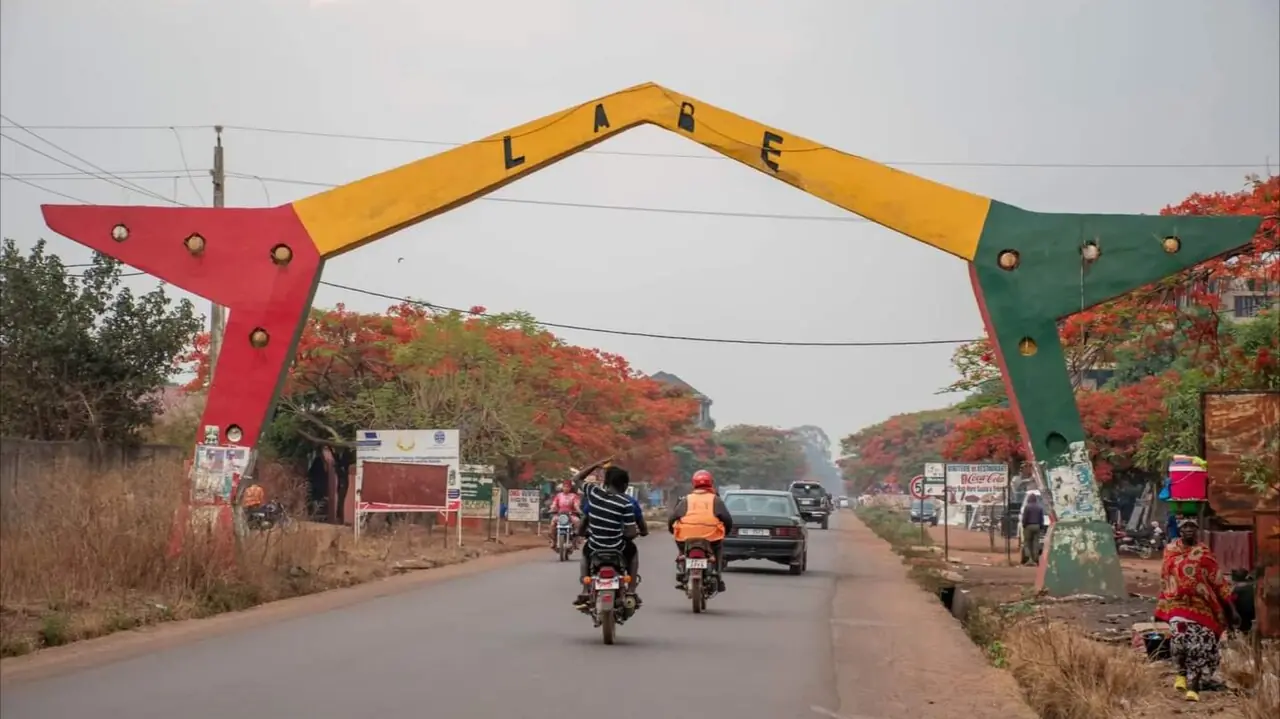 Photo: Bakayoko Malal · CC BY-SA 4.0
Published by Adama Doumbia, founder of Afrique Unie · updated 28 November 2026 · our method and sources
Why visit Labé?
In the heart of the Fouta Djallon, Labé is the great city of the highlands and the cultural capital of Guinea's Fulani. Once the capital of one of the provinces of the Fouta almamate, it remains a major religious and trading centre, renowned for its great mosque and the fervour of its spiritual life. At over a thousand metres above sea level, its climate is noticeably cooler than the coast's, making it a pleasant stop after Conakry.
The town itself is liveliest around its market, where produce from the surrounding countryside converges: fonio, oranges, avocados, indigo-dyed fabrics and leather goods. You will see women in large, colourful headscarves, traders sitting outside their shops, motorbikes speeding along red laterite streets. Labé is best enjoyed by wandering, drinking a sweet milky coffee or a tea, and planning hikes in the surrounding area.
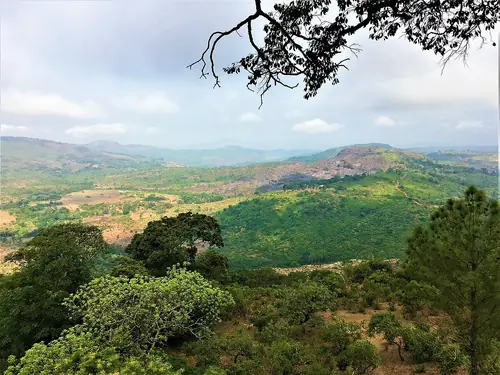
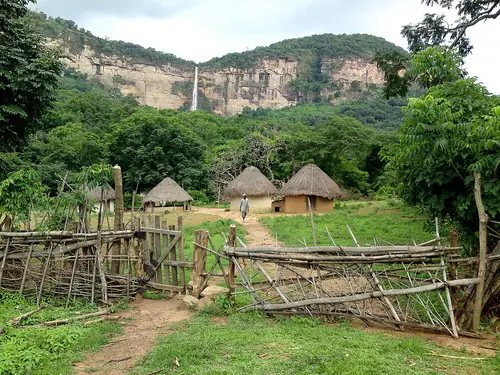
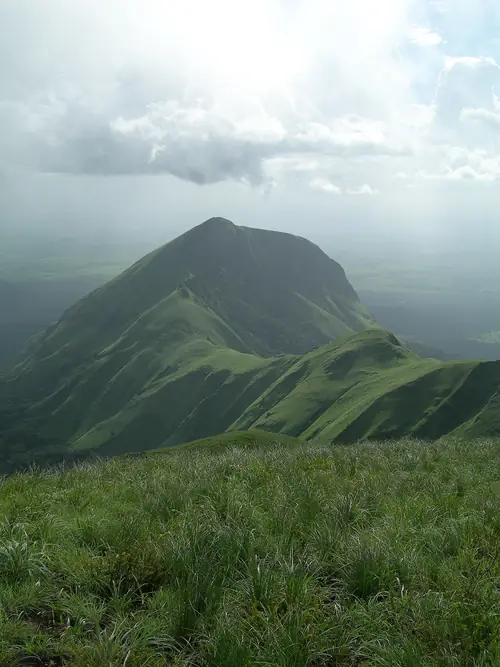
For it is around Labé that the Fouta Djallon reveals its beauty: grassy plateaux, Fulani villages of round huts, rivers and waterfalls. The town is an ideal base for exploring the Saala Falls, Mount Loura and its famous Lady of Mali, or Pita and its waterfalls.
Things to do in Labé: 6 ideas
- 01The big marketThe commercial heart of the town, ideal for discovering Fouta produce and leather crafts.
- 02The great mosqueA building at the centre of the town's religious life, to be admired respectfully from the outside.
- 03The Saala FallsA series of waterfalls and natural pools a few dozen kilometres from town.
- 04The Lady of MaliAn excursion to Mount Loura and its cliff shaped like a woman's profile, with far-reaching views.
- 05Fulani villagesDiscover family compounds surrounded by hedges, with their round huts and gardens.
- 06The dyersWatch indigo dyeing and the making of traditional fabrics.
Labé in one day
- 01MorningHead early to the central market, between the Paraya and Sassé districts, one of the largest in the country: fonio, oranges, avocados, leather and indigo-dyed cloth. Keep your money out of sight, then walk past the great mosque of Karamoko Alpha, the town's founder, to be admired from outside.
- 02LunchEat at a simple canteen near the market: rice with peanut sauce or sweet-potato-leaf sauce, or Fulani-style fonio. Dishes are usually ready by late morning and sell out quickly, so it pays to arrive before the traders and schoolchildren.
- 03AfternoonVisit the Fouta Djallon Museum, opened in 2001 and devoted to the history, crafts and traditions of the plateau's Fulani people. Then see an indigo-dyeing or leatherwork workshop, asking your guide to introduce you to the artisans rather than walking in unannounced.
- 04EveningBe back before nightfall, then enjoy the cool plateau air over tea or sweet milky coffee, with a jacket to hand in the dry season. Avoid walking alone in dark streets: the French foreign ministry advises against it, especially for women travellers.
A second day in Labé
- 01MorningSet off early with a driver and local guide for the Saala Falls, in the Diari area west of Labé. The track is slow and bumpy, and a 4x4 is essential in the rainy season. Take water, shoes with good grip and a picnic.
- 02LunchPicnic in the shade by the natural pools, listening to the series of cascades. Swimming here is risky and drownings have been reported: only swim in a calm pool your guide points out, never after heavy rain, when the current becomes powerful, and watch out for slippery rocks. Keep the site clean and take your rubbish away with you.
- 03AfternoonOn the way back, stop in a Fulani village to see the hedged family compounds, round huts and gardens. Always ask before taking photos and let your guide make the introductions: you will be all the more warmly welcomed.
- 04EveningBe back in Labé before dark: French authorities insist that you avoid driving at night in Guinea. Have fonio with curdled milk or a peanut stew with your hosts, then get an early night if you are planning a hike the next day.
What to eat in Labé
In the Fouta Djallon, milk is at the heart of Fulani cooking. Try latchiri kossan, maize couscous served with curdled milk and a staple of family celebrations, and foutti fognè, Fulani-style fonio with vegetables or peanut sauce. At lunchtime, rice comes with sweet-potato-leaf or cassava-leaf sauce, okra sauce or peanut sauce.
To eat, look for the canteens around the central market, the women selling porridge and fritters in the morning, and the plateau's fruit stalls: oranges, avocados and mangoes in season. In the villages, meals are often taken with your hosts, and curdled milk is readily shared. Drink bottled or filtered water.
Where to stay in Labé
Labé mainly has simple hotels and inns, along with a few guesthouses and community-run lodges, often a little way out of the centre and surrounded by gardens. The centre, around the market and the mosque, is convenient for amenities but busy early in the morning. Hikers sometimes prefer to sleep in the surrounding villages, with local families or in community camps, as close as possible to the trails.
Getting there and getting around
There are no international flights to Labé: you fly into Ahmed Sékou Touré International Airport in Conakry, then drive about 430 kilometres via Kindia and Mamou, a long day on the road, with the Mamou-Labé section under reconstruction since late 2025. Tata airfield in Labé only sees occasional domestic flights. Have your driver meet you at the airport, leave at dawn and never drive at night.
In town, the centre around the market and the great mosque is easy to explore on foot by day. Motorbike taxis are the most common way to get around, but the French foreign ministry advises against them and against shared public transport because accidents are frequent. For the falls, villages and trails, hire a trusted driver and a local guide, often recommended by your accommodation. Bring enough cash from Conakry.
Frequently asked questions
How do you get from Conakry to Labé?
Allow a long day on the road, via Kindia and Mamou, for around 430 kilometres. France's foreign ministry insists on avoiding night driving, as highway bandits are reported at night around Kindia and Mamou, and advises against motorbike taxis and public transport. The best option is a trusted local driver, with a 4x4 in the rainy season.
Is Labé safe?
Labé is under heightened vigilance, like most of Guinea. Avoid gatherings and demonstrations, do not travel at night and do not display signs of wealth. Women travellers are advised not to walk alone at night, especially in dark and quiet places.
When is the best time to visit the Fouta Djallon?
The dry season, from November to May, is best for hiking, with cool nights from December to February. From June to October torrential rain can cause floods and landslides and make roads impassable. The waterfalls are at their most spectacular at the end of the rainy season, but tracks are difficult then.
How many days should you spend around Labé?
Plan three to five days to combine the town, the Saala Falls, Fula villages and, time permitting, Mount Loura and its Dame de Mali or the area around Pita. Tracks are slow, so leave some slack for the unexpected.
How should you handle money in Labé?
The currency is the Guinean franc and most payments are in cash; cash machines are scarce and not always reliable. Withdraw or exchange enough in Conakry, and do not carry it visibly. Be wary of offers to buy gold or precious stones, which are behind many scams.
Can you visit the Saala Falls as a day trip from Labé?
Yes, with a driver and a local guide: the falls are in the Diari area, about 30 kilometres west of town, along a slow track. Leave early so you are back before dark, and use a 4x4 in the rainy season, when the cascades are at their finest but the track is at its worst.
What is there to do in Labé in the evening?
Evenings are quiet: people eat early, share tea with their hosts and enjoy the cool plateau air. Do not travel after dark, in town or on the roads, as French authorities advise, and pack a jacket for December to February.
 Guinea