AfriqueUnie
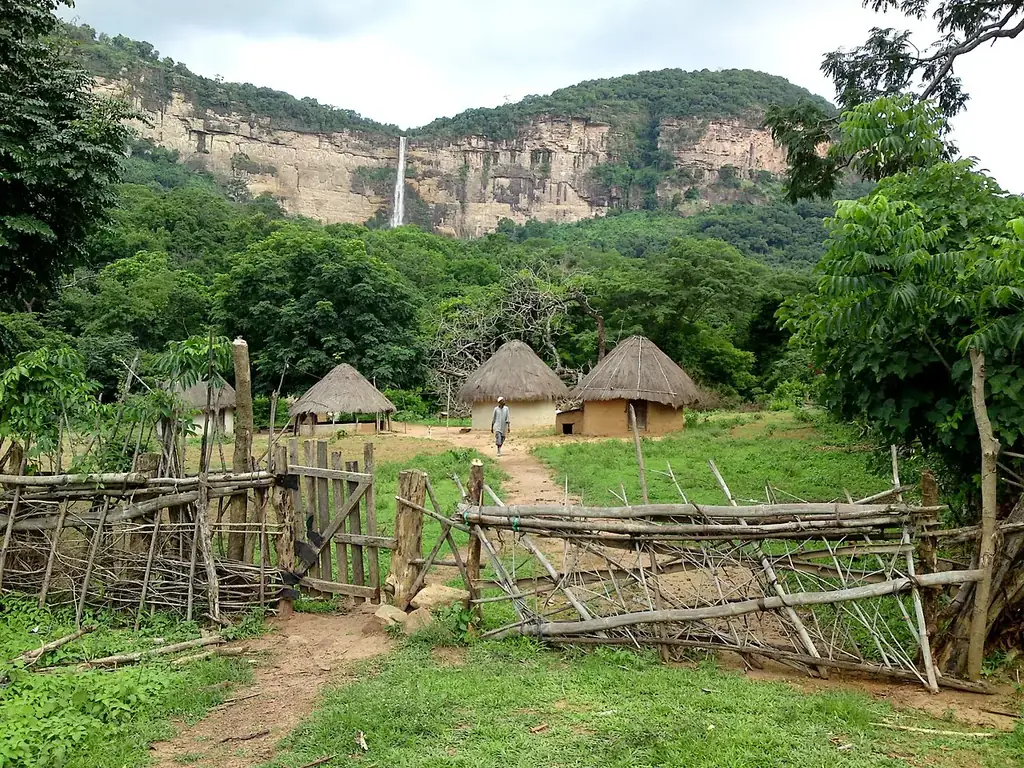 Photo: Maarten van der Bent · CC BY-SA 2.0
Published by Adama Doumbia, founder of Afrique Unie · updated 28 November 2026 · our method and sources
Daily budget
These are rough figures per person per day, excluding the international flight, visa and vaccines. They cover accommodation (two people sharing a room), meals, local transport and a few visits.
On a tight budget, allow roughly €40 to €70, staying in small hotels or simple guesthouses, eating local food and travelling by bush taxi. For a comfortable trip, allow about €100 to €180, with a good hotel in Conakry and guesthouses in the Fouta Djallon, plus a car and driver. At the top end, allow €250 or more, in Conakry's large hotels or on a private 4x4 tour with a guide.
Conakry is expensive for accommodation. In the provinces options are simpler; the main cost is the off-road vehicle, which is essential in the rainy season.
What is expensive and what costs next to nothing
- Accommodation: The biggest cost in Conakry, where reliable hotels are few. In the Fouta Djallon (Dalaba, Labé, Pita), camps and guesthouses are cheaper.
- Vehicle: The French foreign ministry recommends a 4x4 with a trusted driver and advises against motorbike taxis and public transport. This is the main cost of a tour.
- Local meals: Rice with peanut sauce, grilled fish or fonio at a local eatery costs little. Imported goods are expensive.
- Hiking: Walks to the Fouta Djallon waterfalls cost mainly the price of a local guide.
- Visa and vaccines: Budget for these before you leave: the visa is paid for, and a yellow fever certificate is part of the application.
Money: Guinean francs, cash and exchange
The currency is the Guinean franc (GNF). According to the UK government, credit cards are not widely used and getting hard currency is very difficult. A few cash machines in Conakry accept foreign cards, but they dispense small amounts and are unreliable. Banks in Conakry accept international cards and exchange money.
Important: changing money on the street is illegal. The UK reports foreigners arrested and held in military custody for using unofficial money changers, even for small amounts and including at the airport. According to France, you may not leave the country with more than 100,000 Guinean francs, and sums above €10,000 or $10,000 must be declared.
Mobile money (notably Orange Money) is widely used by Guineans. It needs a local SIM card: for a short stay, cash changed at a bank is enough.
Tips are appreciated by guides and drivers.
Visa and passport
Information checked in November 2026. These rules can change: read the official sources again before you travel.
A visa is compulsory. You apply online, before travel, on the Guinean border police platform (paf.gov.gn), uploading a photo, a passport scan, your yellow fever certificate and a hotel booking or proof of accommodation. Biometrics are taken and the visa is issued on arrival at Conakry airport, on showing your application receipt. The French foreign ministry's page still mentions a Covid vaccination certificate: check on the portal whether it is still required.
Fees and processing times: several specialist sources report that from August 2026, in response to Schengen visa restrictions decided by the European Union, Guinea raised its entry visa to $100 (from $80) and announced processing times of up to 45 days for EU nationals, suspending multiple-entry visas. We could not confirm this from an official source: check the portal and apply as early as possible. It is unclear whether British applicants are affected.
Passport: the UK requires at least six months' validity after arrival and warns that British nationals have been refused entry with the wrong type of visa. Keep your documents on you during your stay: police checks are frequent.
Health and vaccinations
Yellow fever: vaccination is an entry requirement. A certificate is required from all travellers aged nine months or more at Conakry airport; at other points of entry, only from those arriving from a risk country. It is part of the visa application anyway. Get vaccinated at least ten days before you leave at an approved centre.
Malaria is present all year throughout the country, with a high risk during and after the long rainy season (roughly June to November). Mosquito protection and preventive medication are decided with a doctor. If you develop a fever, seek medical help straight away.
Check your routine vaccines and ask about hepatitis A, typhoid, meningitis and rabies. The French foreign ministry also lists Ebola prevention advice. Insurance covering treatment and medical evacuation is essential.
Before you go: the checklist
- E-visa: Apply on paf.gov.gn several weeks before you leave, given the processing times announced for Europeans.
- Vaccinations: Yellow fever is compulsory: scan the certificate for the application and carry it.
- Safety: The French foreign ministry advises against all but essential travel to the border areas with Mali and Côte d'Ivoire, including Siguiri, Mandiana and the Kankan reserve. Avoid demonstrations and do not travel at night.
- Exchange: Only at banks and official bureaux; no more than 100,000 Guinean francs when leaving.
- Official sources: Guinea page on gov.uk/foreign-travel-advice and the Guinée page of « Conseils aux voyageurs » on diplomatie.gouv.fr.
- Insurance: Medical costs and evacuation, with emergency numbers noted separately.