The highlands of the Fouta Djallon, spectacular waterfalls, the Îles de Los and rich musical traditions: Guinea is a nature destination for adventurous travellers.
Guinea doesn't give itself up easily, and that is what makes it precious. Few tourist facilities, sometimes gruelling roads, an administration that demands patience: this is a country for travellers who embrace the unexpected. In return it offers astonishingly generous landscapes and a daily life that mass tourism has not yet shaped. You come here to walk, to listen, to meet people, and you often leave feeling you have seen a West Africa greener and more mountainous than you ever imagined.
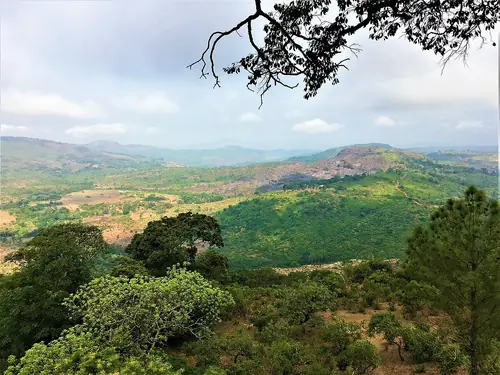
Its nickname, the water tower of West Africa, says it all: it is in its highlands that the Niger, the Senegal and the Gambia rivers rise. The Fouta Djallon massif, in the centre of the country, unfolds grassy plateaux, canyons, gallery forests and dozens of waterfalls, from Kambadaga to Ditinn, which you reach on foot through Fulani villages of round huts ringed by living hedges. In the south-east, Forest Guinea and the Nimba Mountains shelter rare wildlife, including chimpanzees famous for their use of tools. On the coast, the Îles de Los offer quiet beaches a short boat ride from the capital.
But Guinea is also a great musical nation. In the years after independence the state backed orchestras and ballets, giving rise to legendary groups such as Bembeya Jazz and Les Ballets Africains, while artists such as Mory Kanté took the kora and the balafon onto stages all over the world. In Conakry, live music, drumming and dance are part of everyday life. Add the diversity of its peoples, Susu, Fulani, Malinke and the peoples of the forest region, and you have a country that rewards curiosity a hundredfold. As always, check your government's official travel advice before you go, particularly regarding border areas.
History and culture
Part of Guinea was incorporated into the Mali Empire, whose historic heartland, around Niani, lay in what is now Upper Guinea. In the 18th century Muslim Fulani founded a theocratic state in the Fouta Djallon, the almamate, organised into provinces and centred on Timbo, which became a centre of Islamic learning. In the 19th century Samori Ture built a vast Malinke empire and resisted the French conquest for years before being captured in 1898.
A French colony, Guinea stood out in 1958 by voting “no” in the referendum put forward by General de Gaulle, becoming the first French colony in sub-Saharan Africa to gain independence. Ahmed Sékou Touré established an authoritarian regime that lasted until his death in 1984. Since then the country has been through military regimes, a democratic transition, the Ebola epidemic of 2014 to 2016 and a fresh coup in 2021.
8 experiences not to miss in Guinea
Photo : Maarten van der Bent · CC BY-SA 2.001Trek in the Fouta DjallonWalk for several days from village to village, among plateaux, canyons and waterfalls, staying with local families.
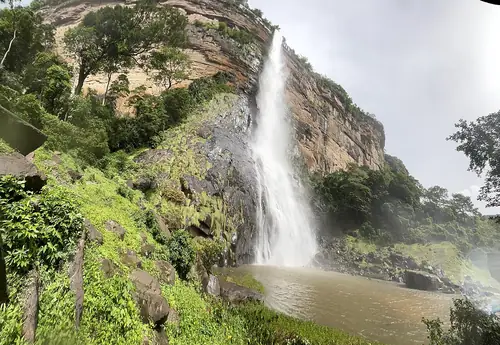
Photo : Aboubacarkhoraa · CC BY-SA 4.002Swim at the foot of a waterfallHead to the Ditinn or Kambadaga falls and enjoy their cool waters in the dry season.
03Hear live music in ConakrySpend an evening in a club where bands put their own spin on Guinean classics.
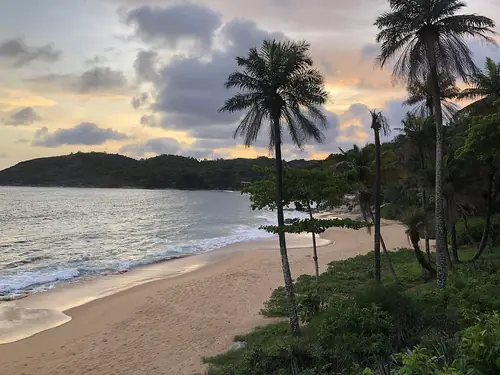
Photo : Flucco · CC BY-SA 4.004Take the boat to the Îles de LosEscape the bustle of the capital for a beach day on Kassa or Room.
05Discover the Doucki canyonExplore the gorges, caves and forests of this site near Pita with a local guide.
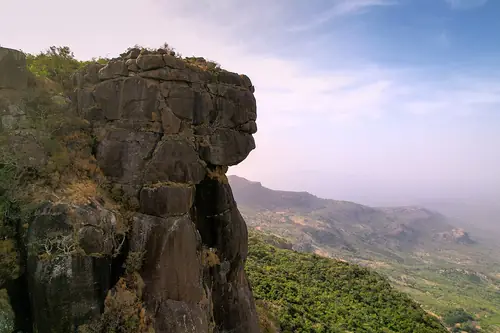
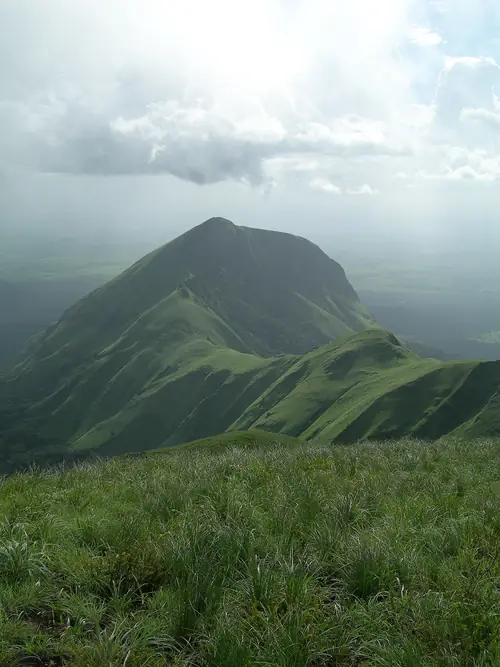
Photo : Aboubacarkhoraa · CC BY-SA 4.006Admire the Lady of MaliGaze at the cliff of Mount Loura, whose profile resembles a woman's face, in the north of the Fouta Djallon.
07Watch a drumming showSee djembe and dance troupes, heirs to the great national ballets.
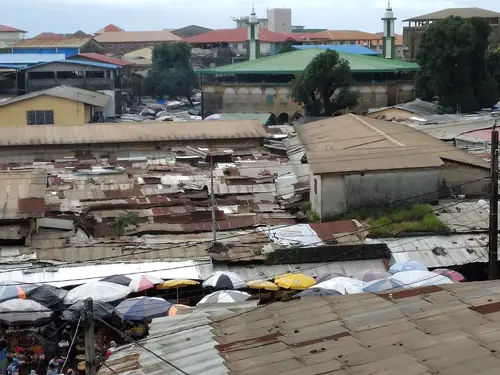
Photo : Thie Abdoul · CC BY-SA 4.008Wander through Madina marketExplore one of West Africa's biggest markets in Conakry, teeming and dizzying.
When to go to Guinea
The dry season, from November to April, is the ideal time to travel. The roads are passable, the skies clear and trekking pleasant in the Fouta Djallon, where nights can be cool at altitude. The waterfalls are at their most powerful at the start of the dry season, in November and December, just after the rains. The harmattan can haze the sky from January to March. The rainy season, from May to October, is particularly intense on the coast: Conakry is one of the wettest capitals in Africa, and many dirt roads inland become difficult or even impassable.
Getting around
Getting around takes time and patience. Bush taxis and minibuses leave from Conakry's bus stations for the main towns inland, often packed and with no fixed timetable: you leave when the vehicle is full. For more comfort, hiring a car with a driver is the most common option, especially for the Fouta Djallon, where some waterfalls can only be reached by dirt track. Road conditions vary greatly from one route to another. In Conakry, traffic jams can be huge at rush hour, so allow plenty of time to get to the airport. For the Îles de Los, boats leave from the port of Boulbinet.
Etiquette and customs
Guineans attach great importance to greetings, and you never address someone without a word of introduction and asking after their family. The country is mainly Muslim: cover your shoulders and knees, especially in the Fouta Djallon, a very devout region. In villages, it is customary to introduce yourself to the chief or the elders before wandering around, and to ask permission before taking any photograph. Never photograph official buildings, soldiers or bridges. Haggling is part of the game in markets, but it is done with a smile. The right hand is used for eating and greeting.
Food and drink in Guinea
Rice is the backbone of Guinean cooking, and riz sauce feuilles is its most typical form: cassava or sweet potato leaves pounded at length and simmered with palm oil, meat or smoked fish. Poulet yassa, chicken marinated in lemon and onions, is a classic shared with neighbouring countries. In the Fouta Djallon, try fonio, a fine, light grain, and the curdled milk of the Fulani herders. On the coast, grilled fish and peanut sauces dominate. The markets overflow with mangoes, avocados and oranges, and people quench their thirst with ginger juice, bissap or bouye, made from baobab fruit.
The must-sees: Fouta Djallon, Îles de Los, Mount Nimba.
Which cities should I visit in Guinea?
Conakry, Labé, Dalaba. The capital is Conakry.
How much should I budget for a trip to Guinea?
Budget: around €30–60 per person per day, excluding flights. This is only a guide and depends above all on the accommodation and activities you choose.
What currency and languages are used in Guinea?
Currency: Guinean franc (GNF). Languages: French, Fula, Malinke, Susu.
How do I get to Guinea?
The main international airport has the code CKY. Compare flights with the ‘Flights’ button on this page.
Do I need a visa to visit Guinea?
Entry requirements depend on your nationality and change regularly. Check them on the country's official website or with your foreign ministry before booking, and make sure your passport is valid.
What should I eat in Guinea?
Dishes to try while you're there: Rice with leaf sauce, chicken yassa.
Map
Guinea on the map
Cities Places to see · Approximate positions
On the ground
Getting around and staying healthy
Getting around
There are no reliable scheduled domestic flights or long-distance passenger trains, so travel is by road. Bush taxis and minibuses leave Conakry's bus stations for Kindia, Mamou, Labé or Kankan, often once they are full. The Fouta Djallon roads are scenic but sometimes in poor condition, especially in the rainy season, and journeys take time. Conakry traffic is heavy; to explore the country, a car with driver, ideally a 4x4, is recommended. Driving is on the right.
Health and safety
Yellow fever
Vaccination certificate required on entry for all travellers (from 9 months at Conakry airport; at other entry points, only if arriving from a risk country); vaccine recommended for the whole country (from 9 months).
Malaria
Present throughout the country: ask a doctor about preventive medication and protect yourself from mosquitoes.
Water and food
Unless your accommodation says otherwise, drink sealed bottled or filtered water, and wash your hands often.
Source: US CDC, November 2026. Rules change: see a travel health clinic before you leave, and the UK Foreign Office travel advice for safety.
Useful numbers
Local emergency numbers
Police: 122 Fire: 18 122 is the national gendarmerie's free hotline (armed robbery, distress). The FCDO states that there are no emergency services in Guinea; medical emergencies in Conakry: Clinique Pasteur +224 621 35 01 01, Clinique Ambroise Paré +224 631 40 10 40.
Affiliate cookiesWe would like to load a script from our partner Travelpayouts. It may set cookies so that we receive a commission when you book through our links, at no extra cost to you. If you decline, the site works in exactly the same way. Find out more
 AfriqueUnie
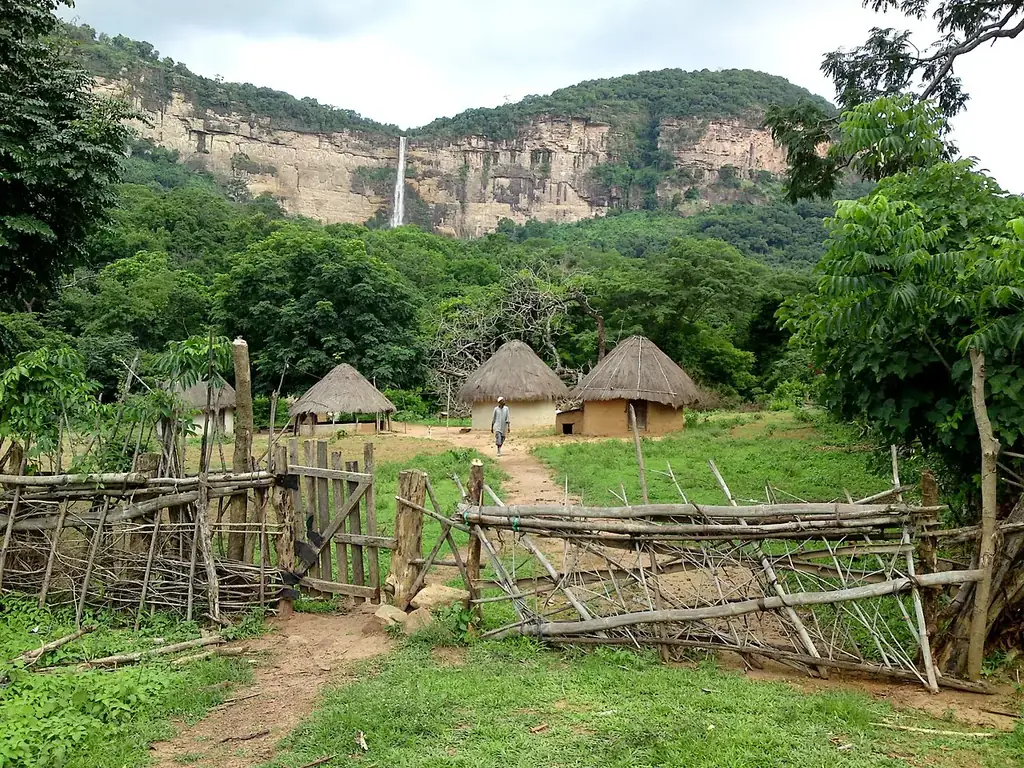 Photo: Maarten van der Bent · CC BY-SA 2.0
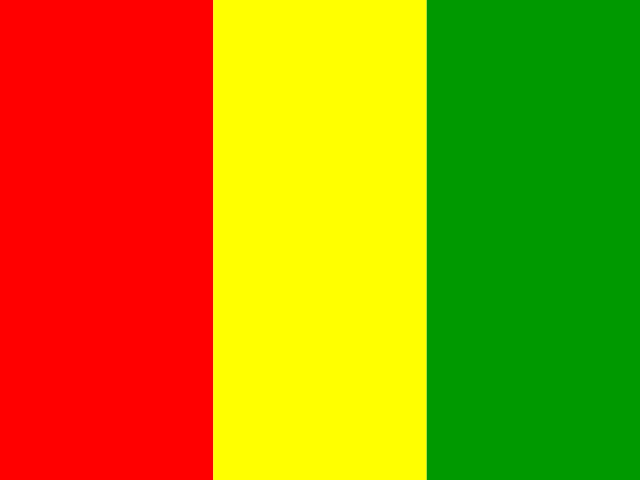 Guinea
 Benin
 Burkina Faso
 Cape Verde
 Côte d'Ivoire
 Ghana
 Guinea-Bissau
 Liberia
 Mali
 Mauritania
 Niger
 Nigeria
 Senegal
 Sierra Leone
 The Gambia
 Togo