AfriqueUnie
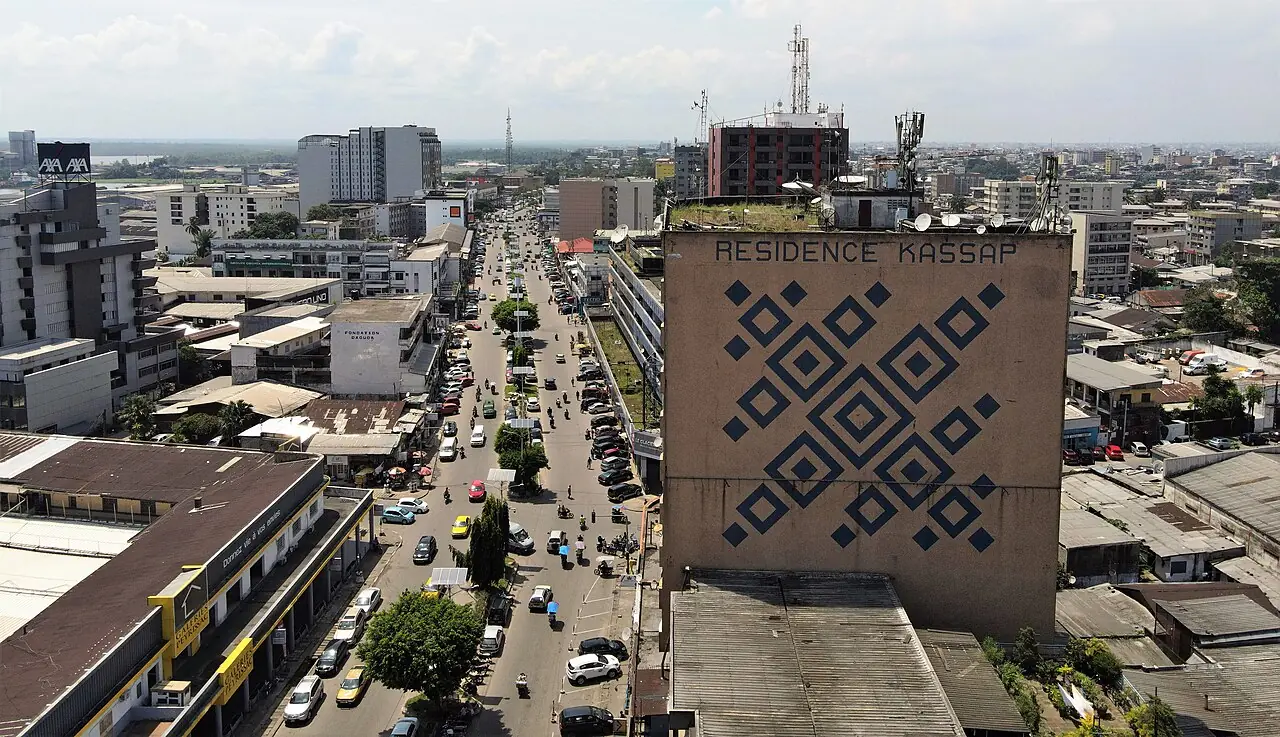 Photo: Batenorie · CC BY-SA 4.0
Published by Adama Doumbia, founder of Afrique Unie · updated 28 November 2026 · our method and sources
Why visit Douala?
Douala is Cameroon's economic powerhouse and its most populous city. Sprawling along the banks of the Wouri estuary, it is home to the country's main port and a large share of Central Africa's commercial activity. The first impression is of a hot, noisy, gridlocked city, where motorbike taxis weave between lorries and yellow cabs.
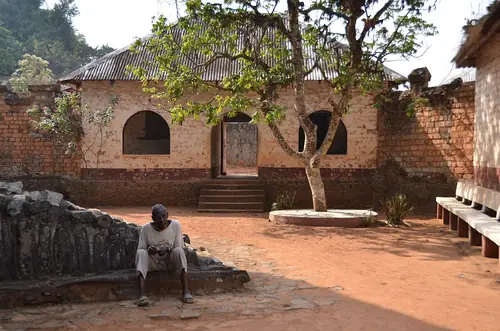
But Douala reveals itself to those who take time to discover it. The historic district of Bonanjo, seat of the former colonial authorities and of the Duala kingdom, preserves the Pagoda, King Manga Bell's palace built in the German era. The city has also become a laboratory for contemporary art: since the 1990s, an art centre has been installing works by Cameroonian and international artists in public spaces, and street-art festivals regularly enliven the neighbourhoods.
In the evening, Douala changes face. The districts of Akwa, Bonapriso and Deido come alive in cabarets, open-air bars and streets where fish sizzles on the grill. This is where makossa was born, a music that still gets the whole of Central Africa dancing.
Things to do in Douala: 6 ideas
- 01Visit the Pagoda in BonanjoAdmire the architecture of King Manga Bell's former palace, a symbol of Duala history.
- 02Hunt down the public artRoam the neighbourhoods in search of the sculptures and installations scattered across the city.
- 03Feast on grilled fishIn the evening, sit down at a grill joint for spiced braised fish with plantain and cassava sticks.
- 04Dance to makossaSpend an evening in a cabaret listening to makossa and bikutsi bands, getting there and back with a driver or a taxi booked by your hotel.
- 05Browse the craft marketsHunt for masks, carvings and fabrics in the city's craft markets.
- 06Attend the Ngondo festivalAt the end of the year, discover this great cultural gathering of the Sawa peoples, centred on water and the ancestors.
Where to stay in Douala
Bonanjo, the administrative and historic district, is quiet in the evening and convenient for business. Akwa, in the heart of the city, has the hotels, shops and nightlife, but it is noisy and the UK government lists it among areas to avoid: do not get around on foot there, especially in the evening. Bonapriso and Bali, more residential, offer smart hotels and restaurants in a more peaceful setting. Outlying districts such as Bonamoussadi have newer accommodation.
Frequently asked questions
How do you get from the airport to central Douala?
The international airport is close to the centre, but traffic can stretch the journey from 20 minutes to over an hour. Arrange a hotel pick-up: the UK government advises against hailing yellow taxis in the street, and the French government strongly advises against taking taxis after dark.
Is Douala safe?
You need to be careful: the French government reports bag snatching and muggings in the big cities, and the UK government lists Douala among the cities at risk of armed robbery. Avoid walking at night, carry nothing conspicuous and only visit working-class districts and markets with a guide or someone who knows the area. The UK government also advises avoiding isolated or less developed areas such as Nkololun, New Bell, Akwa, Bonabéri and Village.
How do you get around Douala?
With a driver or a taxi booked by your hotel or restaurant. The French government advises against public transport, which is regularly involved in serious accidents, and strongly advises against taxis after dark; avoid motorbike taxis as well. Plan journeys outside rush hour and keep the windows up.
When is the best time to visit Douala?
The dry season, from December to February, is the most pleasant time for Douala and the coast. From about June to October the city gets very heavy rain, and the humid heat stays high all year. Usually between late November and early December, the Ngondo festival brings the Sawa peoples together on the banks of the Wouri.
How do you get from Douala to Kribi or Yaoundé?
Kribi is about three hours' drive south and Yaoundé four to five hours east. Only make these journeys in daylight, with an experienced driver rather than by coach: the French government strongly advises against driving at night and considers the Douala-Yaoundé road particularly dangerous. Do, however, avoid the neighbouring South-West Region, which is subject to very restrictive French and UK travel advice.
 Cameroon