Black-sand beaches, an active volcano, equatorial forests, Bamileke chiefdoms and the savannahs of the north: Cameroon brings together almost every landscape the continent has to offer.
The nickname “Africa in miniature” is no empty slogan: travelling across Cameroon from south to north, you really do pass from equatorial rainforest to Atlantic beaches, from volcanic highlands covered in coffee bushes to Sahelian savannah. More than two hundred languages are spoken here, French and English coexist as official languages, and every region has its own kings, markets and musical rhythms. Few countries offer such variety within a single territory.
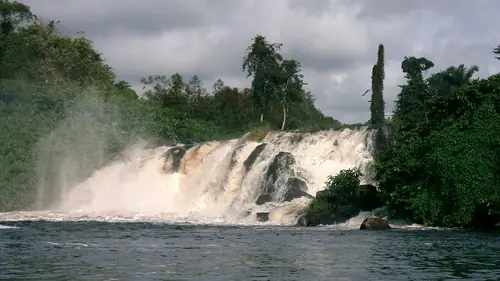
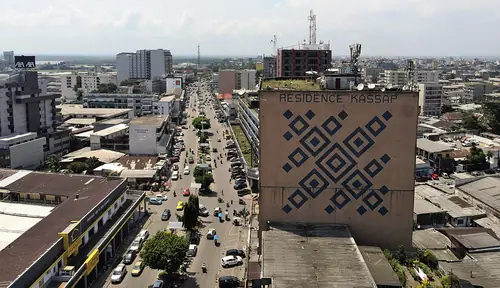
A trip often starts in the frenzy of Douala, the port city where makossa was born, before switching to Yaoundé, a more administrative capital spread over its hills. In the south, Kribi lines up beaches and coconut palms all the way to the Lobé Falls, which tumble straight into the ocean. To the west, the Grassfields unfold a landscape of cultivated hills and centuries-old chiefdoms: in Foumban, the palace of the Bamum sultans and its museums tell the story of a monarchy that invented its own script. These regions, the Centre, Littoral, South and West, now form the heart of a feasible trip.
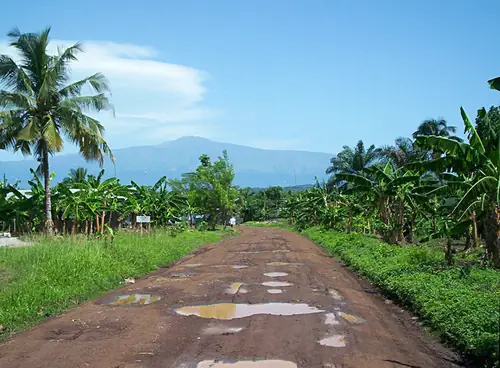
Because it needs to be said plainly: several regions are currently strongly advised against. The English-speaking North-West and South-West, home to Mount Cameroon and the Bafut chiefdom, have been gripped by armed conflict since 2017, and the Far North, with Waza National Park, suffers violence from armed groups linked to Boko Haram. It is essential to check your government's official travel advice before planning your itinerary. In the accessible regions, Cameroon offers an enthusiastic welcome, one of the richest cuisines on the continent and a bubbling urban life full of passionate debates about football and politics.
History and culture
Portuguese navigators named the Wouri estuary “Rio dos Camarões”, the river of prawns, which is where the country's name comes from. Before colonisation, the territory was home to powerful kingdoms, such as the Bamum kingdom, the chiefdoms of the Grassfields, the Fulani lamidates of the north and the coastal societies, among them the Duala. In 1884 Germany imposed its protectorate; after the First World War, the territory was divided between France and the United Kingdom under a League of Nations mandate.
The struggle for independence, led notably by Ruben Um Nyobè's Union of the Peoples of Cameroon, was harshly repressed. French Cameroon became independent on 1 January 1960; in 1961, the southern part of British Cameroons joined it to form a federation, later turned into a unitary state. Ahmadou Ahidjo ruled until 1982, when Paul Biya succeeded him. The Anglophone question, a legacy of this dual history, has fuelled a deep crisis in the west of the country since 2016.
8 experiences not to miss in Cameroon
01Experience Douala's nightlifeDive into the cabarets and open-air maquis of Akwa or Bonapriso, where makossa and bikutsi are danced until dawn.
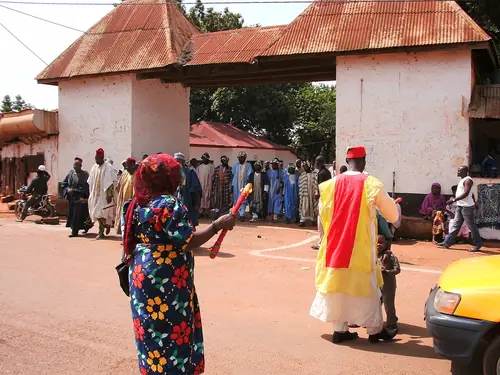
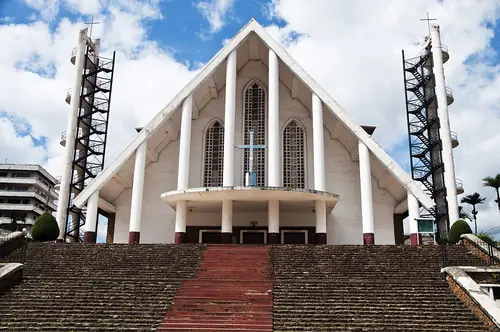
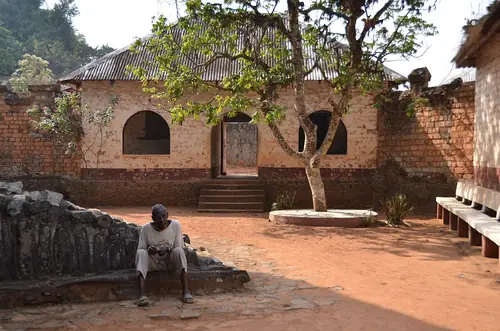
Photo : WILLAV-FR · CC BY-SA 4.002Discover the Foumban palaceVisit the former palace of the Bamum sultans and the Museum of the Kings, then wander along the street of artisans.
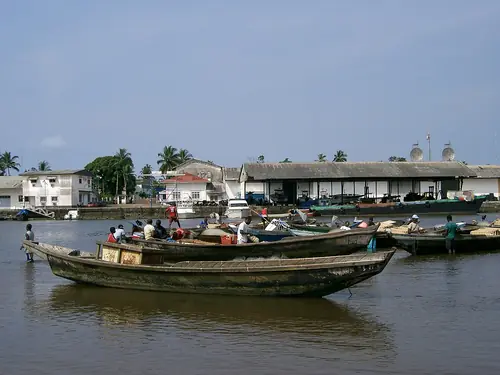
Photo : Auteur inconnu · Public domain03Watch the Lobé plunge into the oceanNear Kribi, approach by pirogue these falls that pour straight into the sea.
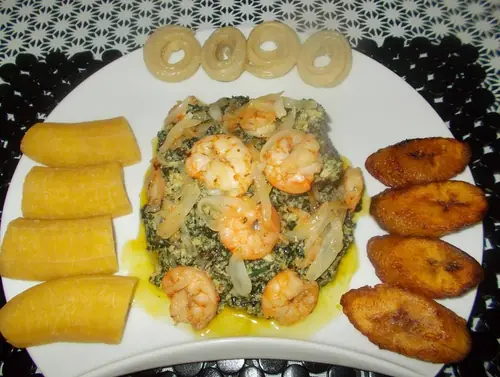
Photo : Coco lago · CC BY-SA 4.004Taste ndoléShare this national dish of bitter leaves, peanuts and prawns, served with plantain or cassava sticks.
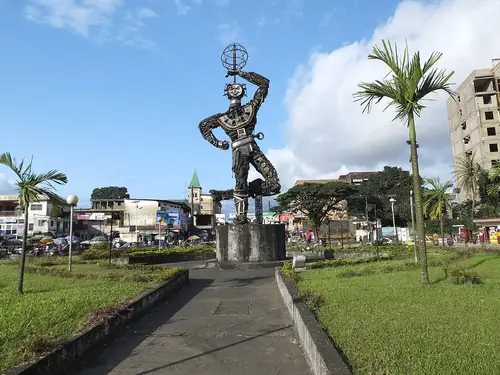
Photo : Alessandro Aceri · CC BY-SA 3.006Admire Douala's street artGo in search of the artworks installed in the city's public spaces, notably in the Bonanjo district.
07Watch turtles at EbodjéSouth of Kribi, join a night of sea-turtle watching with a community project.
08Attend a traditional festivalFind out about the great royal festivals of the West, such as those of Foumban, where court dances and costumes take centre stage.
When to go to Cameroon
The climate varies greatly from region to region. In the south and on the coast it is hot and humid all year round, with two dry seasons: the long one, from November to February, is the best time to travel. The rains then return, with a short dry season around July and August in the Centre and South. Douala is one of the rainiest cities in Africa, especially from June to September. In the West, the highlands have a cooler climate, pleasant in the dry season. The drier north has a long dry season from October to May, very hot towards the end. From November to February, then, you'll enjoy the best conditions across most of the accessible regions.
Getting around
The main international airports are Douala and Yaoundé-Nsimalen, the latter about thirty kilometres from the capital. Between Douala and Yaoundé, the main road and the train link the two cities in a few hours; the train is more comfortable and also safer. Numerous bus companies serve Kribi, Bafoussam, Foumban and most towns; stick to reputable operators and avoid travelling at night, as road accidents are frequent. In town, shared yellow taxis and motorbike taxis, known as bendskins, are everywhere; agree the fare before you get on. For more comfort, hire a car with a driver.
Etiquette and customs
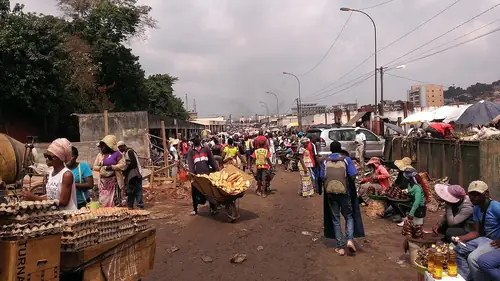
Cameroonians are outgoing and love a debate: people will happily quiz you about football, the Indomitable Lions or world politics. Greetings are essential, and people always take the time to ask after your family. In the chiefdoms of the West, strict rules apply: you don't turn your back on the chief, you don't shake his hand unless invited to, and you follow the instructions of the notables. Always ask before taking photos, and keep away from government buildings, bridges and soldiers. Carry a copy of your passport, as checkpoints are frequent. Haggling is the norm in markets, always with a smile.
Food and drink in Cameroon
Cameroon has one of the most varied cuisines in Africa. Ndolé, the signature dish of the coast, combines bitter leaves, peanut paste, prawns or meat, served with miondo, bobolo or plantain. Poulet DG, for “directeur général” (managing director), mixes fried chicken, ripe plantains, carrots and green beans in a fragrant sauce. Grilled fish, often sea bass or mackerel, is eaten on the street in the evening with chilli and cassava sticks. In the West, achu with its yellow sauce, bean-based koki and taro with yellow sauce are must-tries. Among the Bassa, mbongo tchobi, a black sauce of roasted spices, is a surprise. People drink local beer, foléré (hibiscus) juice or palm wine.
The best time to visit Cameroon: November to February.
What should I see first in Cameroon?
The must-sees: Mount Cameroon, Lobé Falls, Bafut Palace and Foumban Royal Palace, Waza National Park.
Which cities should I visit in Cameroon?
Douala, Yaoundé, Kribi. The capital is Yaoundé.
How much should I budget for a trip to Cameroon?
Mid-range: around €60–120 per person per day, excluding flights. This is only a guide and depends above all on the accommodation and activities you choose.
What currency and languages are used in Cameroon?
Currency: Central African CFA franc (XAF). Languages: French, English.
How do I get to Cameroon?
The main international airport has the code DLA. Compare flights with the ‘Flights’ button on this page.
Do I need a visa to visit Cameroon?
Entry requirements depend on your nationality and change regularly. Check them on the country's official website or with your foreign ministry before booking, and make sure your passport is valid.
What should I eat in Cameroon?
Dishes to try while you're there: Ndolé, poulet DG, grilled fish.
Map
Cameroon on the map
Cities Places to see · Approximate positions
On the ground
Getting around and staying healthy
Getting around
Camrail runs trains between Douala and Yaoundé, including an express, as well as an overnight sleeper between Yaoundé and Ngaoundéré, gateway to the north. Camair-Co flies domestically to Garoua and Maroua. By road, many coach companies, locally called agences, link the main cities, and in town motorbike taxis, known as bend-skin in Douala, are everywhere; Yango works in Douala and Yaoundé. Check security advice for the Far North and the English-speaking North-West and South-West regions; driving is on the right.
Health and safety
Yellow fever
Vaccination certificate required on entry for all travellers (from 1 year); vaccine recommended for the whole country (from 9 months).
Malaria
Present throughout the country: ask a doctor about preventive medication and protect yourself from mosquitoes.
Water and food
Unless your accommodation says otherwise, drink sealed bottled or filtered water, and wash your hands often.
Source: US CDC, November 2026. Rules change: see a travel health clinic before you leave, and the UK Foreign Office travel advice for safety.
Useful numbers
Local emergency numbers
Police: 117 Ambulance: 112 Fire: 119 or 118 France Diplomatie: police emergency 17 (117 from a mobile) in Yaoundé, Douala and Garoua; gendarmerie 13 (113 from a mobile). Viaggiare Sicuri gives 118 for the fire brigade.
Sources: France Diplomatie, Viaggiare Sicuri, Belgian Foreign Affairs, GOV.UK, checked in November 2026. All 54 countries
Entry requirements (visas, vaccinations) and security conditions change regularly: check them with the official authorities before booking. Official tourism website: Ministère du Tourisme et des Loisirs.
Affiliate cookiesWe would like to load a script from our partner Travelpayouts. It may set cookies so that we receive a commission when you book through our links, at no extra cost to you. If you decline, the site works in exactly the same way. Find out more
 AfriqueUnie
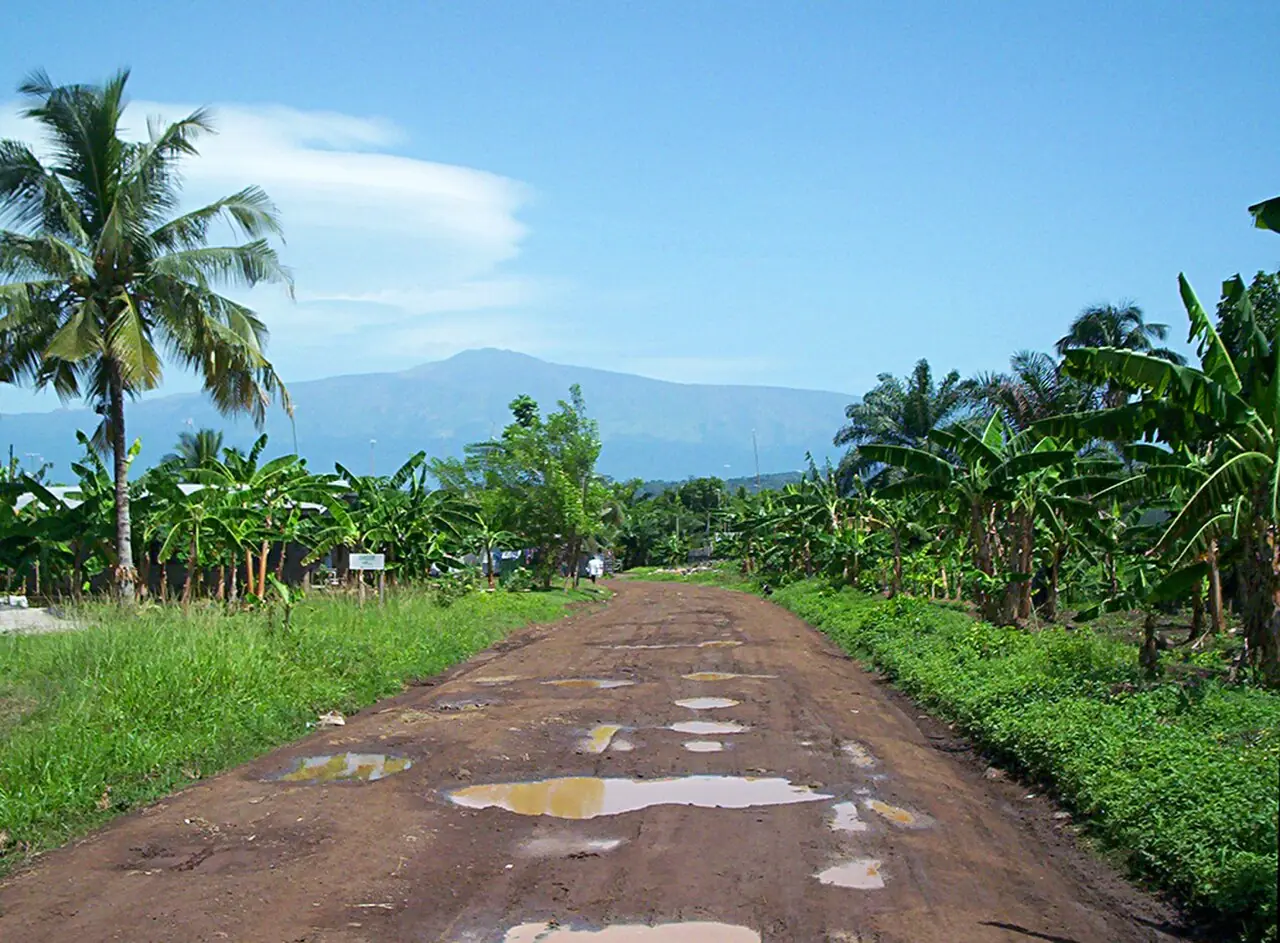 Photo: Amcaja · CC BY-SA 3.0
 Cameroon
 Angola
 Central African Republic
 Chad
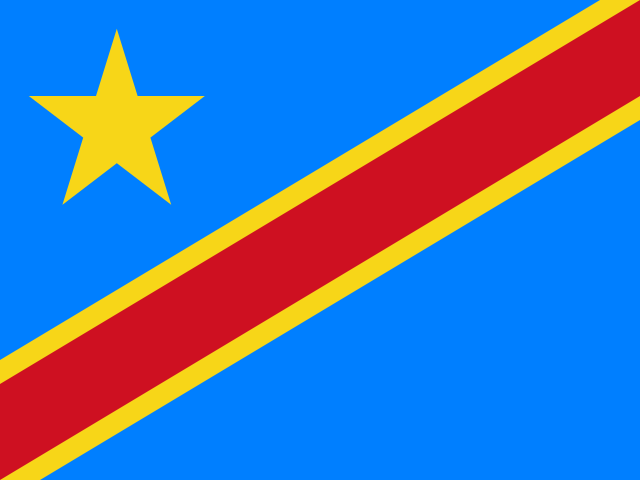 DR Congo
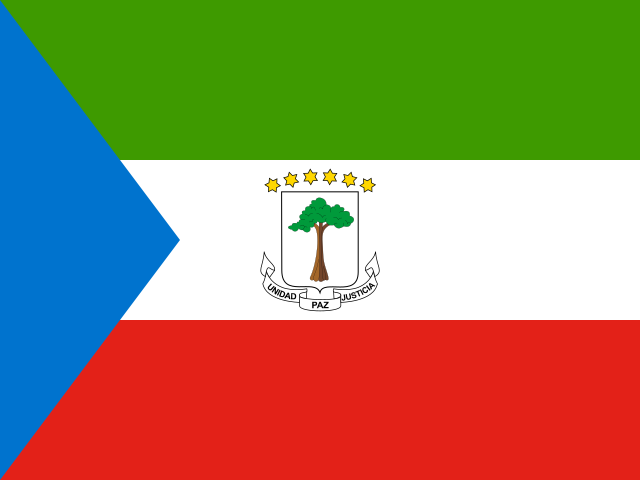 Equatorial Guinea
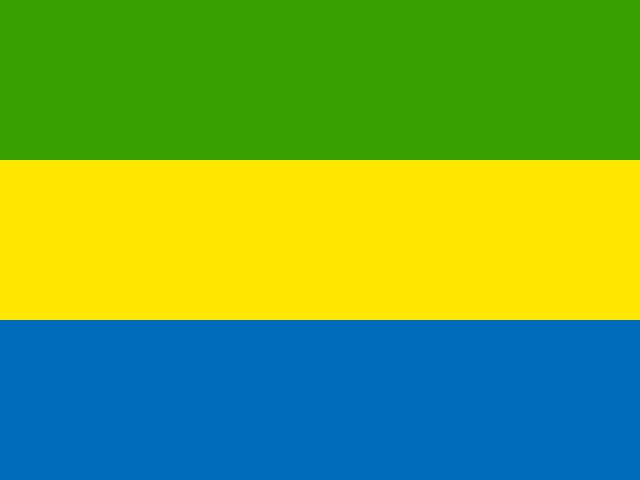 Gabon
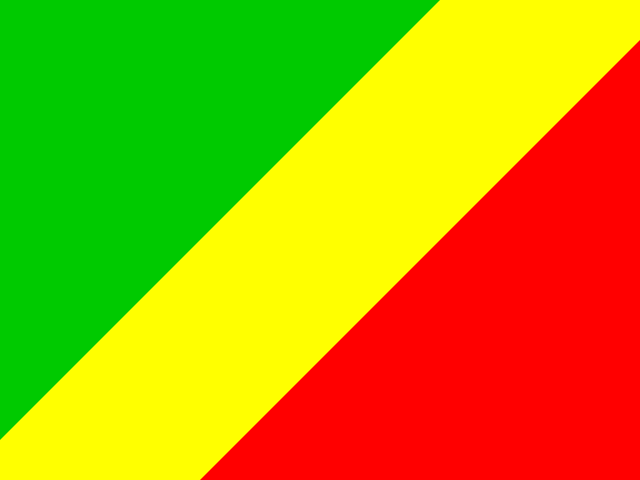 Republic of the Congo
 São Tomé and Príncipe