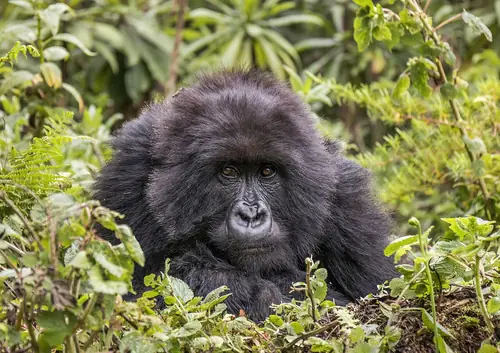
Clean, safe and remarkably well organised, Rwanda is the leading destination for getting close to mountain gorillas, among volcanoes, Nyungwe Forest and Lake Kivu.
Capital
Kigali
Best time to go
June to September, December to February · month by month
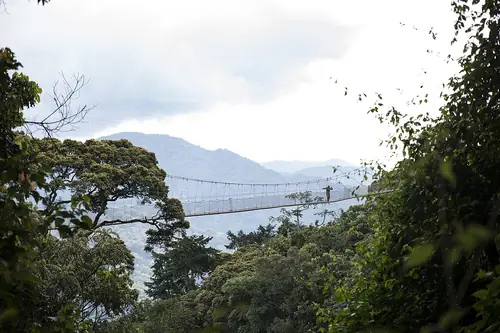
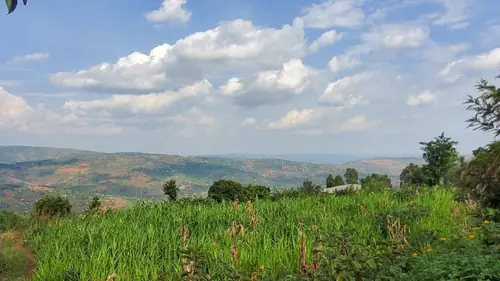
Rwanda is a small country, but you experience it in three dimensions. Everywhere, hills roll on to the horizon, farmed right up to the ridges, carpeted with banana plants, tea bushes and bean fields, and linked by impeccably surfaced roads that wind back and forth. It is called the land of a thousand hills, and there is nothing exaggerated about the phrase. Distances are short: in a week you can meet mountain gorillas in the Virunga volcanoes, walk through the canopy of Nyungwe Forest, go on safari in the savannahs of Akagera and unwind on the shores of Lake Kivu.
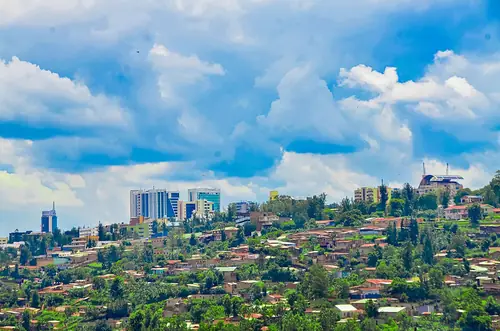
What surprises you on arrival is the order. Kigali's streets are clean, plastic bags have been banned since 2008, motorbike taxis provide their passengers with a helmet, and on the last Saturday of every month the population takes part in umuganda, a morning of community work. The country is renowned for its safety and organisation, which make it one of the easiest destinations in East Africa, even for a first trip.
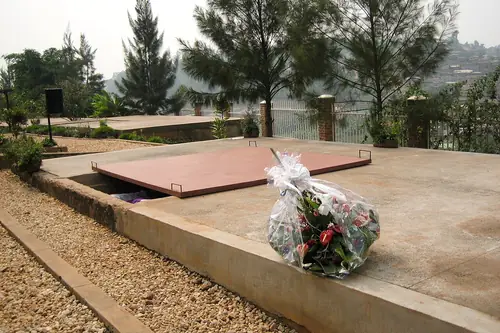
But coming to Rwanda also means confronting history. The genocide against the Tutsi in 1994 cost hundreds of thousands of lives in around a hundred days. The memorials, understated and deeply moving, allow you to understand, to pay your respects and to grasp how far a society that chose to rebuild has come. This dimension gives the journey a particular depth, and Rwandans welcome with dignity those who come to learn.
History and culture
The Kingdom of Rwanda, ruled by a king, the mwami, took shape and expanded over the centuries around a centralised political organisation and a shared culture, with a single language, Kinyarwanda. Colonised by Germany at the end of the 19th century, then placed under Belgian trusteeship after the First World War, the country saw the colonial administration fix and racialise the categories of Hutu and Tutsi, notably by recording them on identity cards, with tragic consequences.
After violence from the late 1950s onwards, Rwanda became independent in 1962. Decades of discrimination and massacres culminated in 1994 in the genocide against the Tutsi, during which moderate Hutu were also killed. The Rwandan Patriotic Front brought it to an end in July 1994. The country has since rebuilt itself, relying in particular on the gacaca community courts, a policy of national unity and a strong drive for economic development. It joined the Commonwealth in 2009, and English has largely taken its place alongside French.
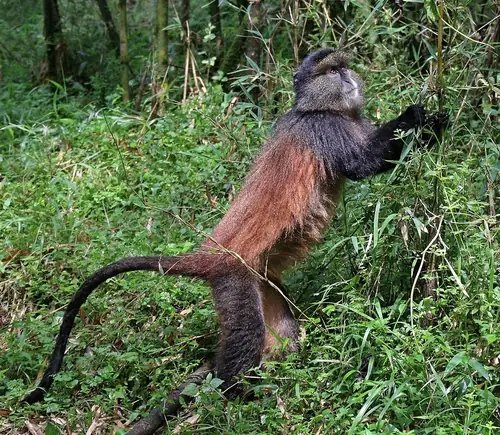
Photo : Charles J. Sharp · CC BY-SA 4.002The golden monkeysWatch these lively, orange-coated and highly photogenic monkeys in the bamboo forests of Volcanoes National Park.
Photo : Fanny Schertzer · CC BY-SA 3.003The Kigali memorialTake time to visit the Gisozi memorial to understand the history of the genocide and pay tribute to the victims.
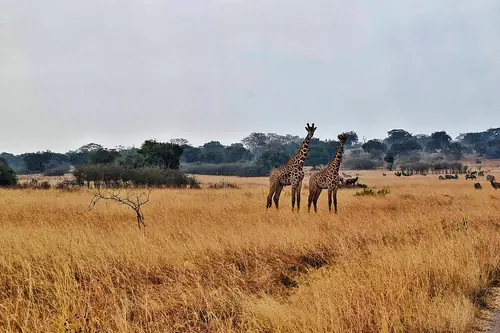
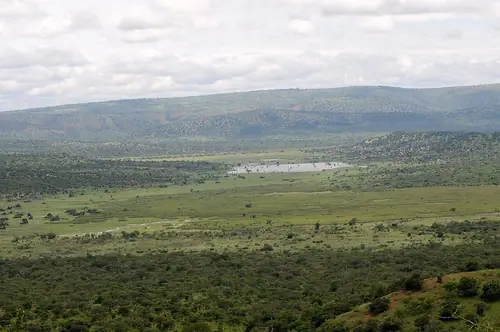
Photo : Alex shema · CC BY-SA 4.005Akagera's Big FiveLook for lions, rhinos, elephants, buffalo and leopards in the eastern savannahs, where they have been successfully reintroduced.
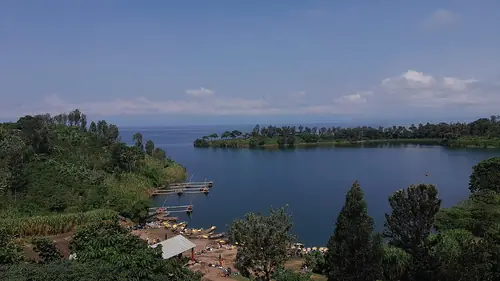
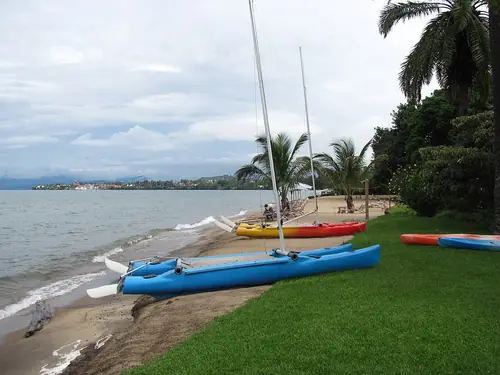
Photo : Synkubito · CC006The Congo Nile TrailCover part of this long route along Lake Kivu on foot, by bike or by kayak.
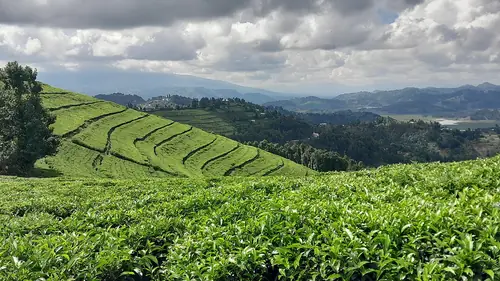
Photo : Synkubito · CC007A tea plantationStroll through the tea-covered hills near Nyungwe and visit a tea factory.
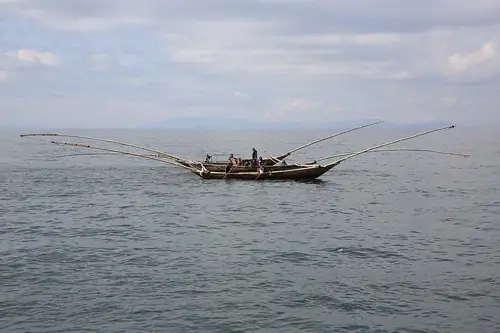
Photo : MONUSCO Photos · CC BY-SA 2.008The fishermen's songAt nightfall on the shores of Lake Kivu, listen to the fishermen singing as they row out onto the lake.
When to go to Rwanda
Thanks to its altitude, Rwanda enjoys a mild, temperate climate all year round, with days between twenty and thirty degrees and cool nights in the mountains. The long dry season, from June to September, is the most popular: the trails to the gorillas are less slippery and wildlife viewing in Akagera is easier. December to February forms a second, shorter dry season. The long rains, from March to May, and the short rains, from October to November, make treks muddier but bring lush green landscapes and fewer visitors. In the volcanoes and at Nyungwe it can rain at any time: a waterproof is essential.
Getting around
The road network is in good condition and distances are short: Kigali is about two and a half hours from Volcanoes National Park, three hours from Rubavu and five to six hours from Nyungwe. Most visitors hire a vehicle with a driver-guide, but you can also drive yourself, on the right. Comfortable buses leave Nyabugogo bus station for every town on fixed timetables. In Kigali, motorbike taxis are handy, with a helmet provided; ride-hailing apps also work. Watch out for umuganda: on the last Saturday of the month, traffic is heavily restricted in the morning.
Etiquette and customs
Rwandans are reserved and polite; discretion, restraint and calm are appreciated. Say hello with “Muraho” and thank you with “Murakoze”. French is still spoken by many, English by the younger generation. Ethnicity is an extremely sensitive subject: avoid asking anyone whether they are Hutu or Tutsi, and approach the history of the genocide with respect and restraint. Don't drop any litter and forget plastic bags, which are banned at the border. Ask before taking photographs, and never photograph military or official buildings. In restaurants service can be slow: patience is called for.
Food and drink in Rwanda
Rwandan cooking is simple, rural and based on what the hills provide. Goat, beef or fish brochettes, often served with chips or grilled plantain, are the institution of evenings with friends, along with a cold beer. Isombe, a purée of pounded and simmered cassava leaves, sometimes with aubergine, spinach and peanut paste, is a classic. Ibihaza, chunks of pumpkin simmered, often with beans, accompany meals. The lunchtime buffet, very widespread, lets you try ugali, beans, rice, sweet potatoes and vegetables. Rwandan coffee and tea, grown at altitude, are of excellent quality, and urwagwa, a traditional banana beer, is shared at celebrations.
The best time to visit Rwanda: June to September, December to February.
What should I see first in Rwanda?
The must-sees: Volcanoes National Park, Nyungwe Forest, Akagera National Park, Lake Kivu.
Which cities should I visit in Rwanda?
Kigali, Rubavu (Gisenyi), Musanze (Ruhengeri). The capital is Kigali.
How much should I budget for a trip to Rwanda?
High-end: often more than €120 per person per day, excluding flights. This is only a guide and depends above all on the accommodation and activities you choose.
What currency and languages are used in Rwanda?
Currency: Rwandan franc (RWF). Languages: Kinyarwanda, French, English.
How do I get to Rwanda?
The main international airport has the code KGL. Compare flights with the ‘Flights’ button on this page.
Do I need a visa to visit Rwanda?
Entry requirements depend on your nationality and change regularly. Check them on the country's official website or with your foreign ministry before booking, and make sure your passport is valid.
What should I eat in Rwanda?
Dishes to try while you're there: Brochettes, isombe, ibihaza.
The country is compact and most journeys are by road on a well-maintained network; RwandAir does, however, run a daily Kigali–Kamembe flight, handy for Nyungwe and the southern end of Lake Kivu. Express bus companies leave Nyabugogo bus station for Musanze, Rubavu, Huye or Karongi on fixed schedules. In Kigali, motorbike taxis are plentiful and riders provide a helmet; taxi and moto-taxi apps are available. On Lake Kivu, private boats and excursions link the shores, but there is no well-established scheduled ferry. For the parks, people often hire a car with driver; traffic drives on the right.
Health and safety
Yellow fever
Certificate required only if you arrive from, or transited through, a country with a risk of yellow fever (from 1 year, incl. airport transits over 12 h); vaccine generally not recommended.
Malaria
Present throughout the country: ask a doctor about preventive medication and protect yourself from mosquitoes.
Water and food
Unless your accommodation says otherwise, drink sealed bottled or filtered water, and wash your hands often.
Italian embassy in Kampala (Uganda); honorary consulate in Kigali · +256 312 188 000 · website
Belgian embassy
Belgian embassy in Nairobi (Kenya), pending the reopening of the embassy in Kigali · +254 730 842000 · website
Sources: France Diplomatie, Viaggiare Sicuri, Belgian Foreign Affairs, GOV.UK, checked in November 2026. All 54 countries
Entry requirements (visas, vaccinations) and security conditions change regularly: check them with the official authorities before booking. Official tourism website: Visit Rwanda (Rwanda Development Board).
Affiliate cookiesWe would like to load a script from our partner Travelpayouts. It may set cookies so that we receive a commission when you book through our links, at no extra cost to you. If you decline, the site works in exactly the same way. Find out more
 AfriqueUnie
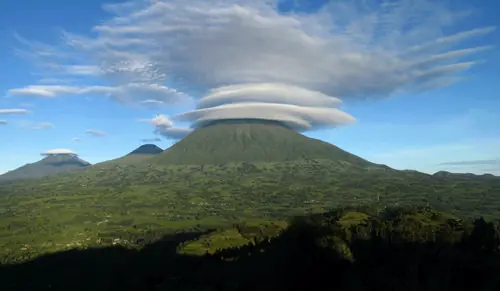
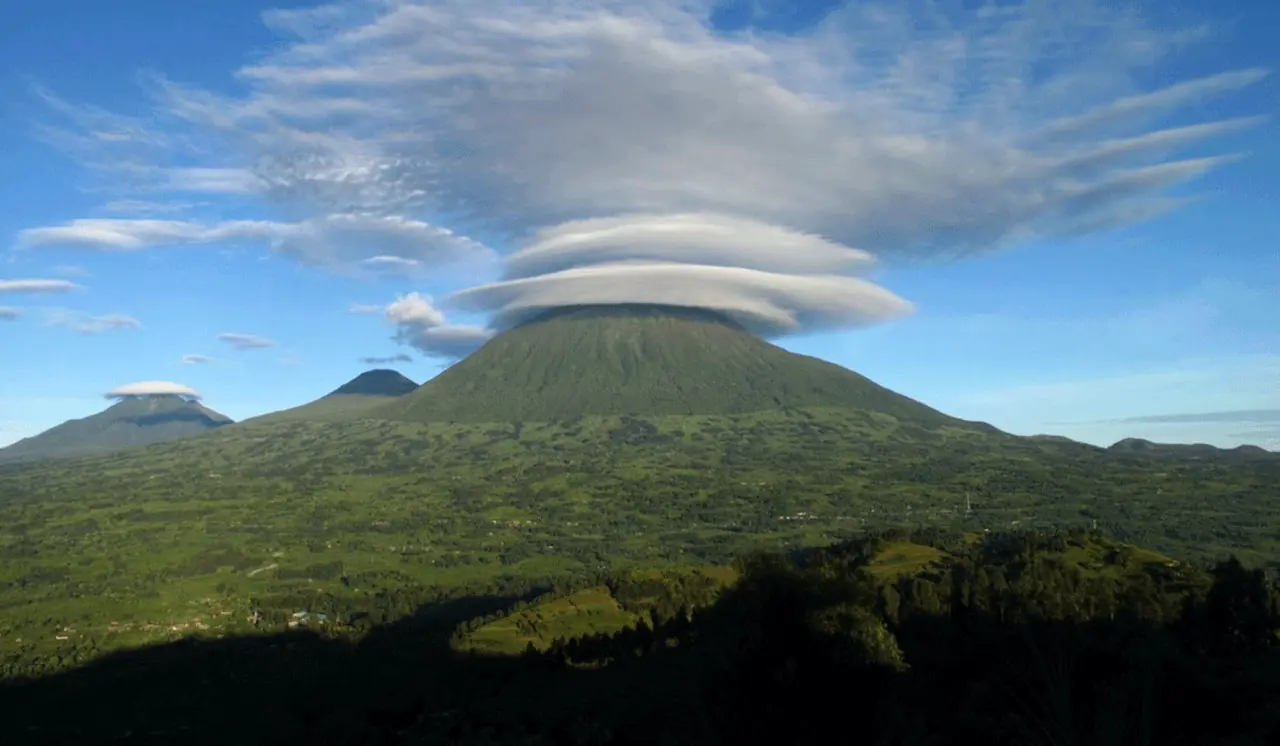 Photo: Volcanoes National Park · CC BY-SA 4.0
 Rwanda
 Rwanda or Uganda
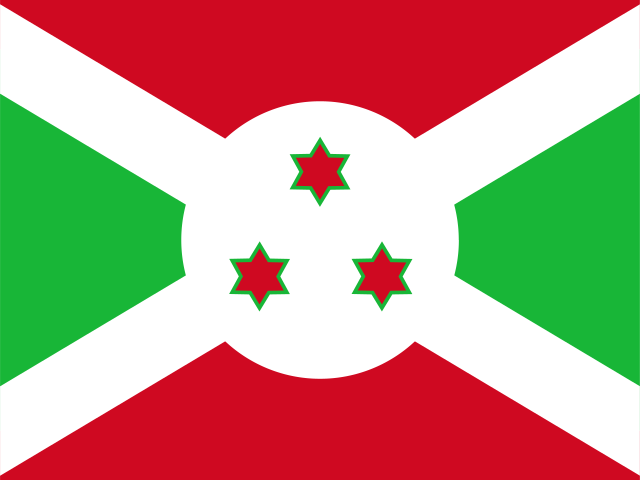 Burundi
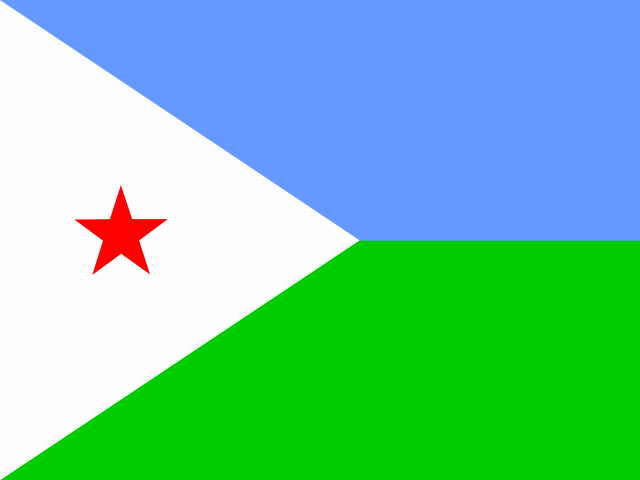 Djibouti
 Eritrea
 Ethiopia
 Kenya
 Somalia
 South Sudan
 Tanzania