AfriqueUnie
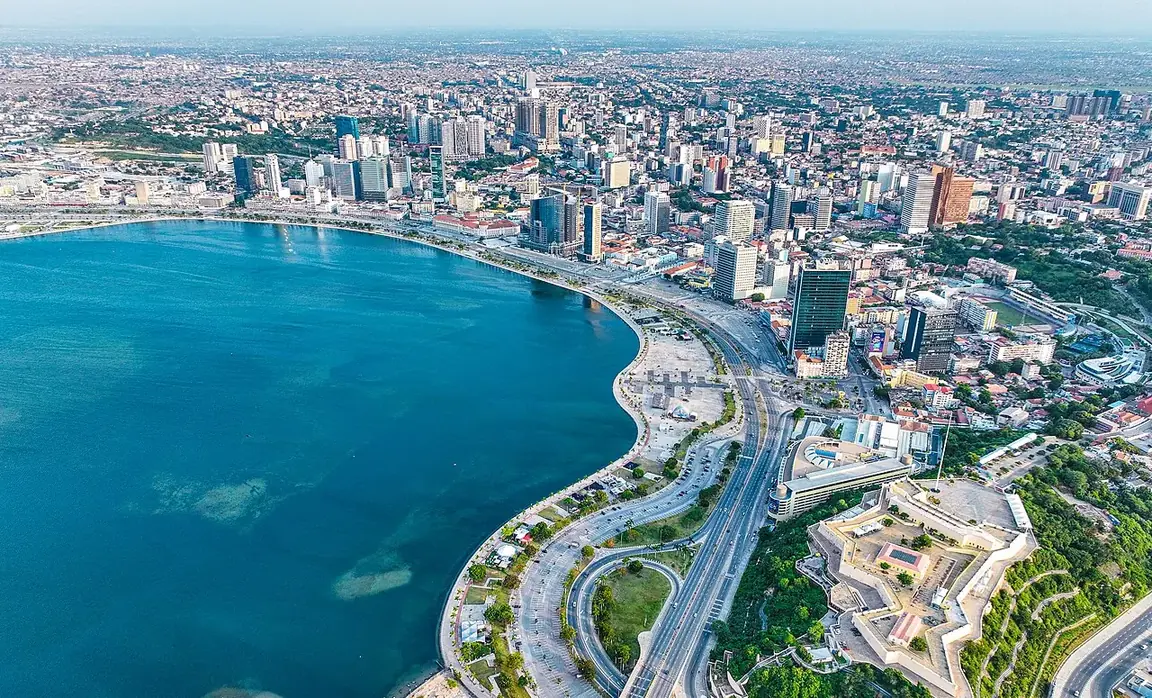 Photo: Iamdelcioborges · CC BY 4.0
Published by Adama Doumbia, founder of Afrique Unie · updated 28 November 2026 · our method and sources
Why visit Luanda?
Luanda is a city of dizzying contrasts. Along its crescent-shaped bay, the Marginal, a long, redeveloped promenade, lines up palm trees, glass towers and cycle lanes, while behind it stretch the musseques, working-class districts where much of the population lives. The Angolan capital was long ranked among the most expensive cities in the world for expats; it remains costly, but it's also fascinating.
The historic city is centred on the Fortress of São Miguel, built by the Portuguese in the sixteenth century on a hill overlooking the bay. Its ramparts offer a superb view of the city and the ocean, and its inner walls are decorated with azulejos telling the story of the colonial era. Not far away, the Cidade Alta keeps colonial buildings, churches and the presidential palace, while the mausoleum of Agostinho Neto, the first president, raises its rocket-like silhouette above the city.
But it is on the Ilha de Luanda, a narrow sandy spit facing the city centre, that the capital's festive heart beats. Beach bars, fish restaurants and clubs liven up the evenings to the sound of semba, kizomba and kuduro. At weekends, Luanda's residents escape to the Mussulo peninsula, reached by boat, to enjoy its beaches.
Things to do in Luanda: 6 ideas
- 01Fortress of São MiguelVisit this Portuguese fortress, with its cannons and azulejos, and take in the view over the bay.
- 02Ilha de LuandaSpend an evening on the spit, between grilled fish on a terrace and live music, getting there and around by car with a driver rather than on foot.
- 03National Museum of AnthropologyDiscover masks, sculptures and everyday objects from Angola's different peoples.
- 04National Museum of SlaveryTake a trip south of the city to this museum set beside an old chapel facing the ocean.
- 05Benfica craft marketHunt for masks, sculptures, fabrics and paintings in this vast craft market south of the city.
- 06Mussulo peninsulaCross by boat to this tongue of sand for a day of beach and calm.
Where to stay in Luanda
The city centre, around the Marginal and the Baixa, has hotels, restaurants and historic sites, but France advises against getting around on foot, even downtown, so use a car with a driver, even for short distances. The Ilha de Luanda offers a more beachy, festive stay, but France calls for vigilance there in the evening and the UK advises against walking between bars and restaurants on the Ilha, so get around by car. Talatona, to the south, is a modern and secure district with serviced residences, shopping centres and business hotels, but it's out of the way. The musseques are best discovered with a local rather than stayed in.
Frequently asked questions
Is Luanda dangerous?
Crime remains high, often at gunpoint, mostly in outlying districts but in the centre too. France advises against getting around on foot, even downtown, and against driving at night, and calls for care on the Ilha in the evening; the UK advises against walking between bars and restaurants on the Ilha do Cabo. If you are attacked, do not resist.
How do I get from the airport to central Luanda?
International flights use the new Dr António Agostinho Neto airport, about 40 km south-east of the centre: allow at least 45 minutes outside rush hour, much longer in traffic. Check which airport your ticket shows, especially for domestic flights. Have your accommodation send a driver rather than getting into an unknown vehicle.
How do I get around Luanda?
By car, with doors locked and windows closed, using a driver or a safe, identifiable taxi company. France advises against local public transport; the UK considers minibuses unsafe and recommends avoiding taxi apps where possible, or carefully checking the driver and number plate. Group your visits by district to cut down on journeys.
When is the best time to visit Luanda?
The cooler dry season, known as cacimbo, from about May to September, is the most pleasant, under often hazy skies. The rainy season, from October to May, brings heat and torrential downpours that can flood roads, and France advises against driving or walking during heavy rain.
What can I do around Luanda in a day?
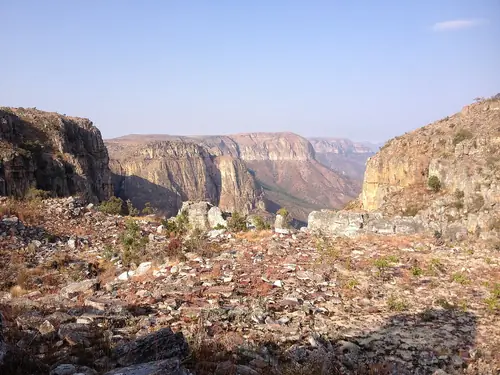
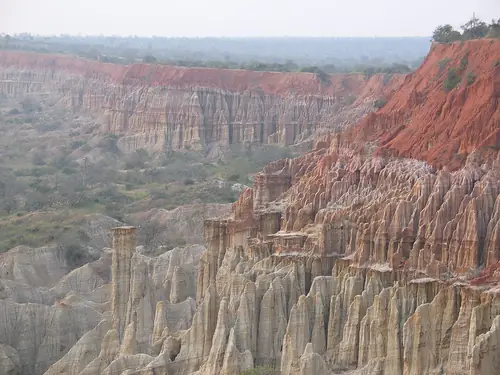
The Mussulo peninsula, reached by boat, is the classic beach escape. To the south, the Miradouro da Lua viewpoint, with its eroded cliffs, lies about 40 km down the coast road. Leave early, drive by day and be back before dark.
 Angola