AfriqueUnie
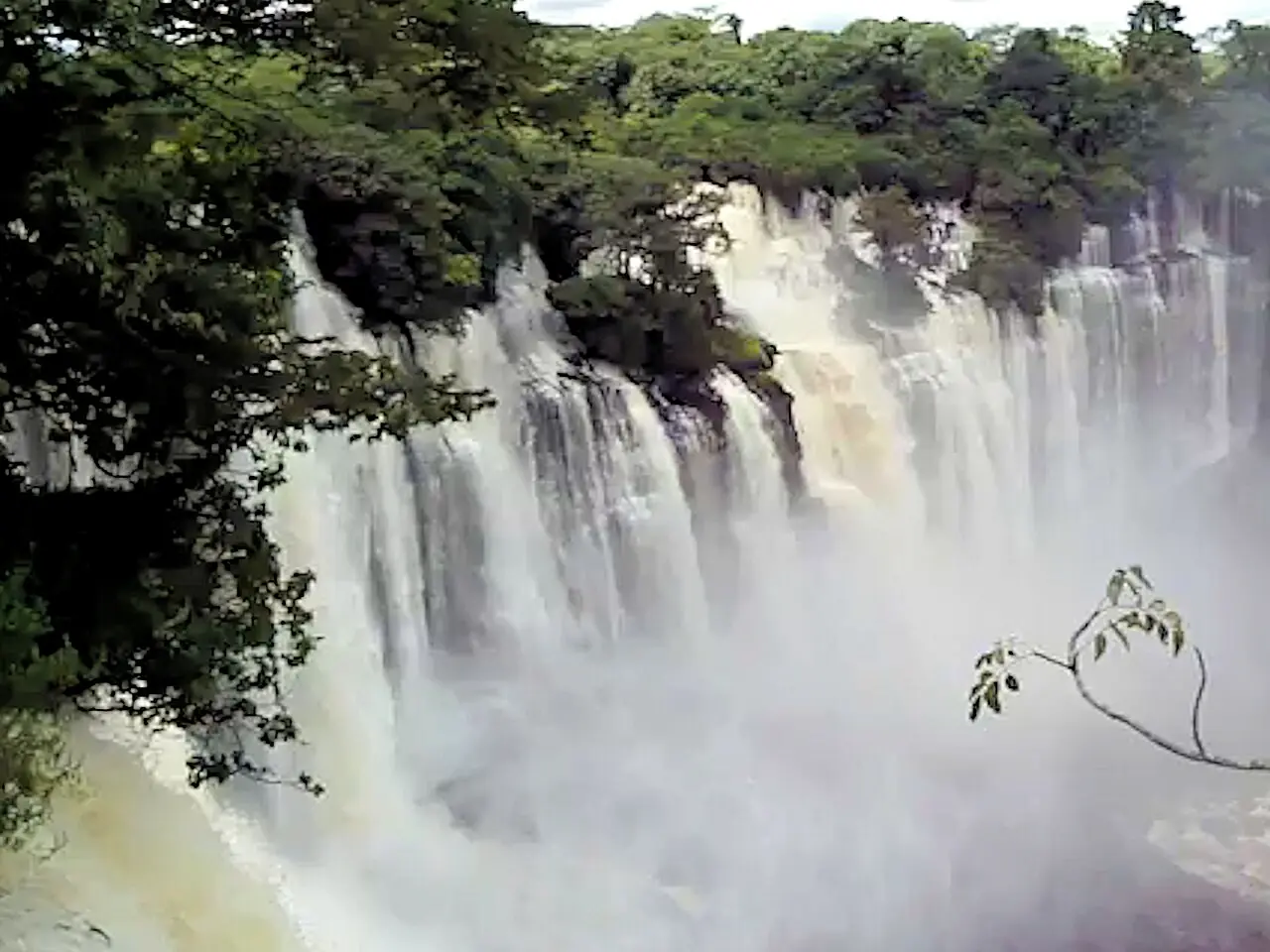 Photo: Zorglub · CC BY-SA 3.0
Published by Adama Doumbia, founder of Afrique Unie · updated 28 November 2026 · our method and sources
Daily budget
These are rough figures per person per day, excluding the international flight and vaccines. They cover accommodation (two people sharing a room), meals, local transport and a few visits.
On a tight budget, allow roughly €60 to €100, staying in small hotels or simple guesthouses, eating at local restaurants and travelling by coach or shared taxi. For a comfortable trip, allow about €150 to €250, with a good hotel, restaurants and a car with driver for some journeys. At the top end, allow €300 or more, in Luanda's large hotels or on a private four-wheel-drive tour.
Luanda is by far the most expensive city in the country, especially for accommodation. Lubango, Benguela and the roads of the south are more affordable, but distances are huge and an off-road vehicle is often needed.
What is expensive and what costs next to nothing
- Accommodation: The biggest cost, especially in Luanda, where hotels of international standard charge high prices. Provincial guesthouses cost far less.
- Transport: Coaches between the main cities are cheap. A car with driver or a four-wheel drive, useful for Kalandula, Serra da Leba or the Namibe desert, and domestic flights soon push up the bill.
- Local meals: Muamba de galinha, funge or grilled fish at a local restaurant remain affordable. Restaurants on Luanda's Ilha are considerably more expensive.
- Excursions: Natural sites have few facilities: a guide or local agency makes the trip much easier, but is a significant expense.
- Fines: The UK government quotes 15,000 kwanzas per day for overstaying, and the same amount on the spot if you are stopped without ID.
Money: kwanzas, cash and cards
The currency is the kwanza (AOA). Its exchange rate floats and has moved a great deal in recent years: check it when you leave. Bring euros or dollars in cash, in good condition, to change at banks or official exchange offices.
According to the French foreign ministry, cards are increasingly accepted in hotels but rarely in shops in the capital, so you need cash in foreign currency. Foreign cards do not work in every cash machine: do not rely on them alone. The UK government advises care at cash machines and when leaving banks, as travellers are followed and robbed.
Currency movements are controlled: cash of 5,000 dollars or more must be declared on arrival, and visitors cannot take out more than 5,000 dollars in foreign currency, plus 50,000 kwanzas, according to the UK government. The French foreign ministry also gives the 5,000-dollar limit on entry.
Tipping is not compulsory; a small amount for a guide or driver is appreciated.
Visa and passport
Information checked in November 2026. These rules can change: read the official sources again before you travel.
Since 30 September 2023, French nationals have been among the 98 nationalities exempt from a tourist visa. According to the French foreign ministry, the exemption allows stays of up to 30 days per entry, up to 90 days in total per year. The UK government gives the same 30-day rule for British citizens visiting for tourism. Other EU, Swiss and Canadian citizens should check the list with an Angolan consulate.
To stay longer than 30 days in a row, you must apply online for a tourist visa before arrival, on the official portal smevisa.gov.ao, then renew it locally with the migration service (SME). Work, study or business trips require a visa obtained in advance.
Passport: the UK government requires at least six months' validity after arrival and two blank pages; the French foreign ministry asks French nationals for a passport valid beyond the length of their stay. To be safe, travel with at least six months' validity and two free pages. Always carry ID or a certified copy of your passport.
Safety: the UK government advises against all but essential travel to Cabinda province, except Cabinda city, because of separatist attacks on foreigners and the risk of kidnap, and to within 1 km of the DR Congo border in Lunda Norte province. The French foreign ministry advises against all but essential travel to the diamond-mining provinces of Lunda Sul and Lunda Norte and to Cabinda city and province, and puts the rest of the country under heightened vigilance (care in the evening on Luanda's Ilha and at night in the capital's outer districts). Avoid photographing official buildings.
Health and vaccinations
Yellow fever: the sources do not agree. The US Centers for Disease Control and Prevention (CDC) list a certificate as required for all travellers from 9 months. The French foreign ministry says that since an October 2023 decree it is no longer compulsory for travellers not arriving from a risk country, while those who are will be turned back without one. The vaccine is recommended in any case, and the UK government notes you will need the certificate for some onward travel, including to South Africa: get it at least ten days before departure and carry the certificate.
Malaria is present all year throughout the country, and the French foreign ministry reports a rise in cases linked to heat and heavy rain. Prevention combines protection against mosquito bites and preventive medication prescribed by a doctor. If you develop a fever, seek medical advice straight away.
Angola is frequently hit by cholera outbreaks: drink sealed bottled water, eat well-cooked food and wash your hands. Check your routine vaccines and ask about hepatitis A, typhoid and rabies. Insurance covering treatment and medical evacuation is essential.
Before you go: the checklist
- Passport: Six months' validity and two blank pages.
- Length of stay: Up to 30 days per entry without a visa; for longer, apply online on smevisa.gov.ao before you arrive.
- Yellow fever: Vaccine recommended and certificate on you: it may be asked for on entry depending on where you come from, and for onward travel.
- Malaria: A medical appointment a few weeks before departure.
- Official sources: Read the Angola page on gov.uk/foreign-travel-advice and the Angola page of « Conseils aux voyageurs » on diplomatie.gouv.fr: Cabinda and parts of the Lunda provinces are advised against except for essential travel.
- Cash: Euros or dollars in good condition, staying within the currency limits on entry and exit.