Long closed to tourism, Angola is revealing monumental waterfalls, dizzying cliffs, 1,600 km of coastline and a capital that moves to the rhythm of semba and kizomba.
Angola is a country only just stepping out of the shadows. For decades, war and then difficult access kept it off the travel map, so that today you can discover first-rate landscapes without running into a single tour coach. The Kalandula Falls, as wide as a river pouring into the void, the Tundavala Gap, opening onto a thousand-metre drop, the hairpin bends of the Serra da Leba or the ochre cliffs of the Miradouro da Lua near Luanda: every region has its great landscape, and you often have it to yourself.
Then there's the coast, more than 1,600 kilometres of Atlantic shoreline, from the sheltered bays of Benguela to the deserted beaches of the south, where the Namib Desert runs right down to the ocean. In this arid far south grows the welwitschia, a strange plant that can live for centuries, and here live pastoralist peoples with remarkable hairstyles and adornments. The contrast with the green highlands of Huíla or the forests of the north gives the country a rare variety.
Finally, there's Angolan culture, with its infectious energy. Luanda is the cradle of semba, kizomba and kuduro, and its nights out on the Ilha or in the musseques, the working-class districts, ring with rhythms that have conquered the Portuguese-speaking world and far beyond. The Portuguese language, laced with Kimbundu words, the cooking based on fish, cassava and palm oil, the humour of the people of Luanda: all this makes Angola a destination unlike any other in Africa. Travel remains expensive and takes organisation, especially outside Luanda, but the welcome and the beauty of the places make it more than worthwhile.
History and culture
Before the Portuguese arrived, the territory was divided between several kingdoms, including the Kingdom of Kongo in the north and the Kingdom of Ndongo, whose ruler's title, ngola, gave the country its name. In the seventeenth century, Queen Njinga Mbandi led a long resistance against the Portuguese, who had been established since the founding of Luanda in 1576. Angola became one of the main hubs of the Atlantic slave trade, from which a very large number of captives were shipped to Brazil.
The armed struggle for independence began in 1961. After the Carnation Revolution in Portugal, independence was proclaimed on 11 November 1975, but it immediately gave way to a civil war between rival movements, fuelled by the Cold War. The conflict did not end until 2002. Since then, the country has rebuilt itself on oil and diamonds, and is gradually opening up to tourism.
8 experiences not to miss in Angola
Photo : Zorglub · CC BY-SA 3.001Feel the breath of KalandulaStand facing the falls, amid the roar and the spray, then take the path down to the foot of the cascade.
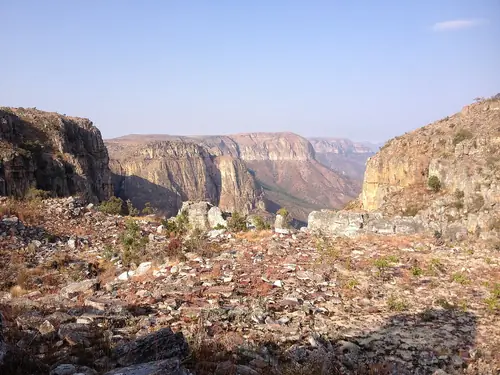
Photo : tim kubacki · CC BY 2.002Peer into the Tundavala GapLean over the edge of this breach opening onto the plain near Lubango, at sunrise or sunset.
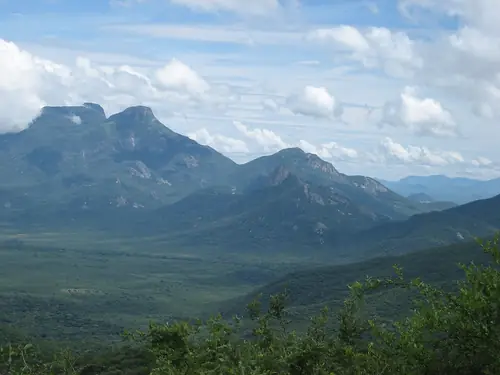
Photo : Erik Cleves Kristensen · CC BY 2.003Drive down the Serra da LebaTake the hairpin bends of this mountain road, from the heights of Huíla down towards the coast and the Namib Desert.
04Dance kizomba in LuandaLearn the basics of this slow, elegant dance, or watch expert couples at a party on the Ilha.
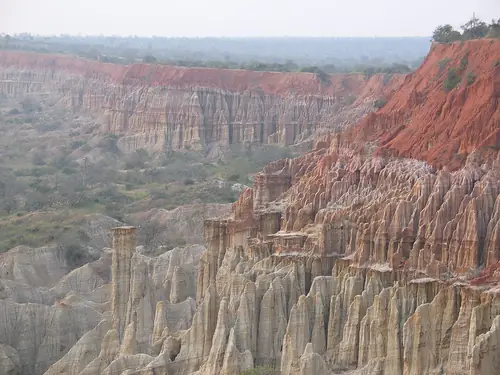
Photo : jlrsousa · CC BY-SA 2.005Walk at the Miradouro da LuaSee the erosion-sculpted cliffs south of Luanda, when the late-afternoon light makes their colours glow.
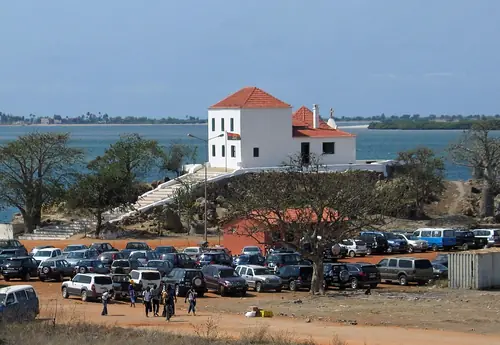
Photo : João Sousa · CC BY-SA 3.006Visit the National Museum of SlaveryUnderstand Angola's role in the Atlantic slave trade at this small museum on a hill overlooking the ocean.
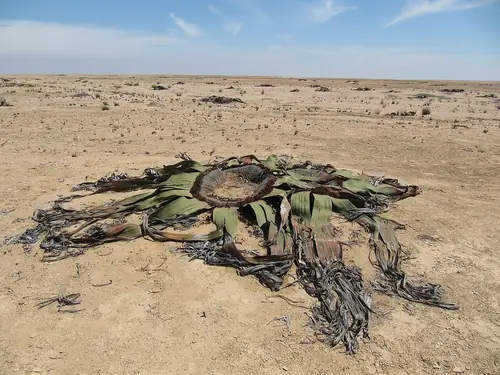
Photo : Paulo César Santos · CC007Discover the welwitschiaIn the Namib Desert, see this ancient plant that produces only two leaves in its entire lifetime.
Photo : Michael Gaylard · CC BY 2.008Eat grilled fish in BenguelaSettle at a table facing the bay for the grilled catch of the day, with funge and jindungo, the local chilli.
When to go to Angola
The best time to travel is from May to October, during the cool dry season known as cacimbo. Skies are often overcast on the coast because of the cold Benguela Current, but temperatures are pleasant and there is no rain. On the Huíla highlands, around Lubango, nights can even be cold. From November to April, the rainy season brings heat, humidity and downpours, especially in the north and the interior; yet this is when the Kalandula Falls are at their most powerful. The desert south stays dry almost all year round.
Getting around
Distances are great and road quality varies, even though the main network has been largely rebuilt. To save time, domestic flights link Luanda with Lubango, Benguela-Catumbela and other cities. Long-distance buses serve the main routes and are a budget option. The Benguela Railway, which links Lobito with the interior, and the line from Moçâmedes to Lubango offer a different experience for those with time to spare. For isolated sites such as Kalandula or the Serra da Leba, a car with a driver is the most practical solution. In Luanda, traffic jams are considerable: leave plenty of margin, and use recommended taxis or ride-hailing apps.
Etiquette and customs
Angolans are warm but attached to form: people greet each other with a handshake, often a lingering one, and exchange a little news before getting down to business. Portuguese is essential, as English and French are little spoken outside business circles; a few words such as “bom dia” and “obrigado” make all the difference. Smart dress is appreciated. Avoid photographing official buildings, soldiers and strategic installations, and always ask before photographing anyone, particularly among the pastoralist communities of the south. Carry a copy of your passport. In Luanda, keep your valuables out of sight and avoid walking alone at night.
Food and drink in Angola
Angolan cooking blends African roots with Portuguese influences. Funge, a dough of cassava or maize flour, accompanies most dishes in sauce. Muamba de galinha, chicken simmered in a palm-oil sauce with okra and sometimes squash, is considered the national dish. Calulu combines dried or fresh fish, vegetables and leaves in a fragrant sauce. On the coast, grilled fish and seafood reign supreme, served with jindungo, a fiery local chilli. Also try mufete, a dish of grilled fish, beans in palm oil, sweet potato and plantain. To finish, a well-chilled national beer or a glass of Portuguese wine.
The must-sees: Kalandula Falls, Tundavala Gap, Serra da Leba, Miradouro da Lua.
Which cities should I visit in Angola?
Luanda, Lubango, Benguela. The capital is Luanda.
How much should I budget for a trip to Angola?
High-end: often more than €120 per person per day, excluding flights. This is only a guide and depends above all on the accommodation and activities you choose.
What currency and languages are used in Angola?
Currency: Angolan kwanza (AOA). Languages: Portuguese.
How do I get to Angola?
The main international airport has the code LAD. Compare flights with the ‘Flights’ button on this page.
Do I need a visa to visit Angola?
Entry requirements depend on your nationality and change regularly. Check them on the country's official website or with your foreign ministry before booking, and make sure your passport is valid.
What should I eat in Angola?
Dishes to try while you're there: Muamba de galinha, funge, calulu.
TAAG and other airlines link Luanda with Lubango, Catumbela (for Benguela and Lobito), Huambo and Namibe. Three railway lines carry passengers: Luanda–Malanje, the Benguela Railway between Lobito and Luena, and Namibe–Lubango–Menongue; interruptions are frequent, so check timetables locally. Coach companies serve the main cities, and in Luanda the blue-and-white candongueiro minibuses make up most public transport. For the southern roads and the Serra da Leba, a car with driver is recommended; driving is on the right.
Health and safety
Yellow fever
Vaccination certificate required on entry for all travellers (from 9 months); vaccine recommended for the whole country (from 9 months).
Malaria
Present throughout the country: ask a doctor about preventive medication and protect yourself from mosquitoes.
Water and food
Unless your accommodation says otherwise, drink sealed bottled or filtered water, and wash your hands often.
Affiliate cookiesWe would like to load a script from our partner Travelpayouts. It may set cookies so that we receive a commission when you book through our links, at no extra cost to you. If you decline, the site works in exactly the same way. Find out more
 AfriqueUnie
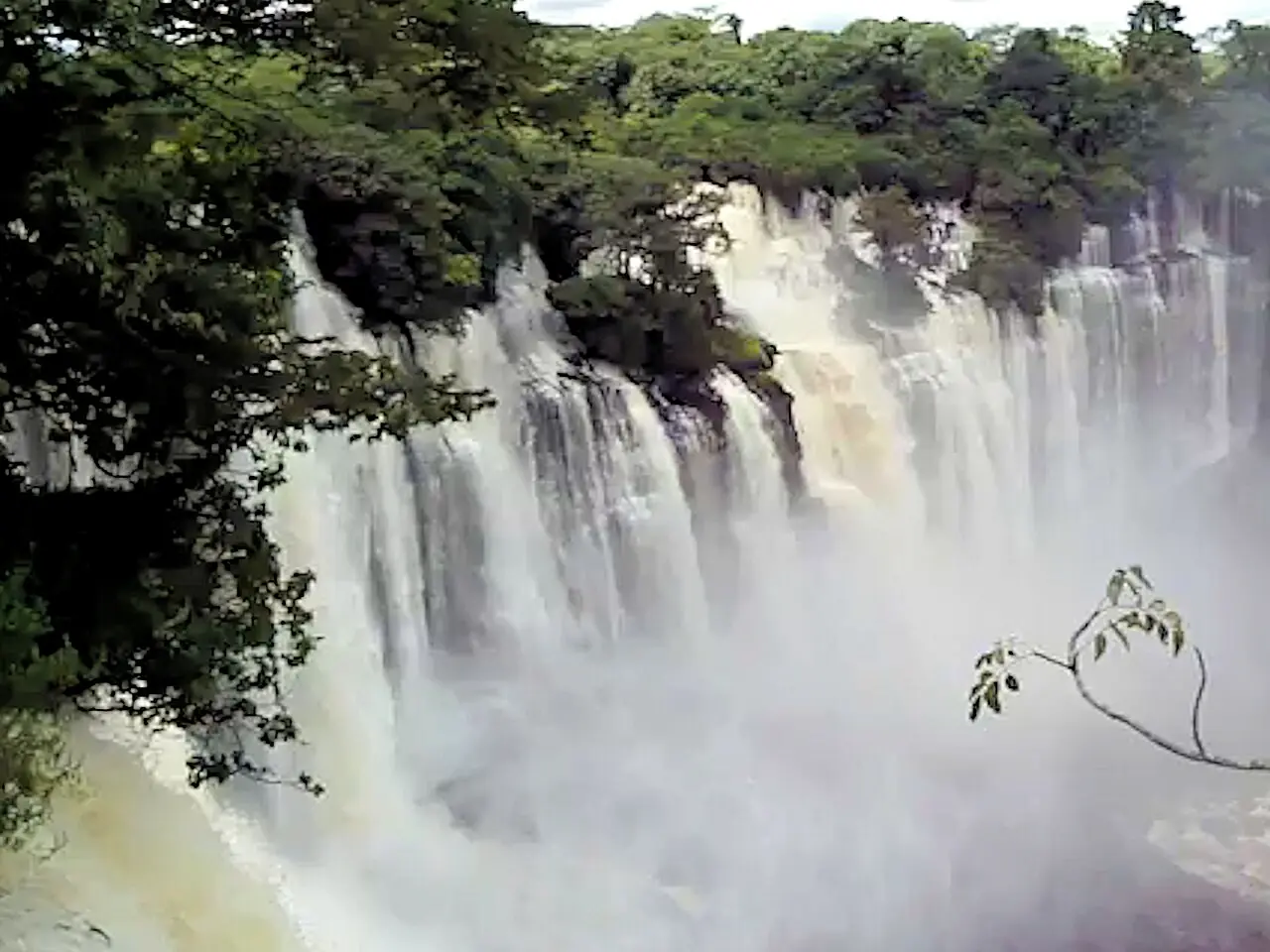 Photo: Zorglub · CC BY-SA 3.0
 Angola
 Cameroon
 Central African Republic
 Chad
 DR Congo
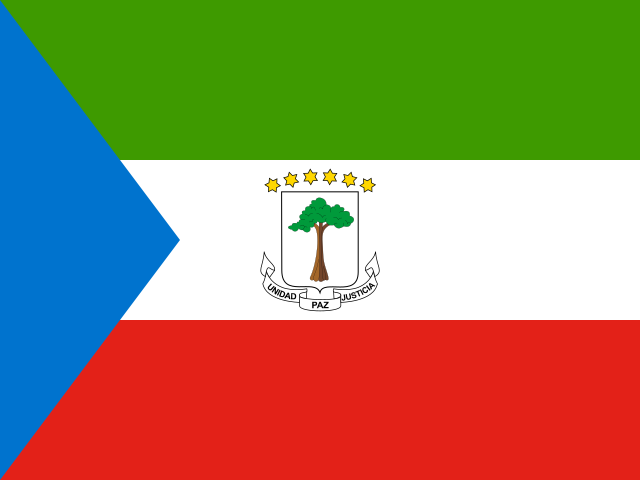 Equatorial Guinea
 Gabon
 Republic of the Congo
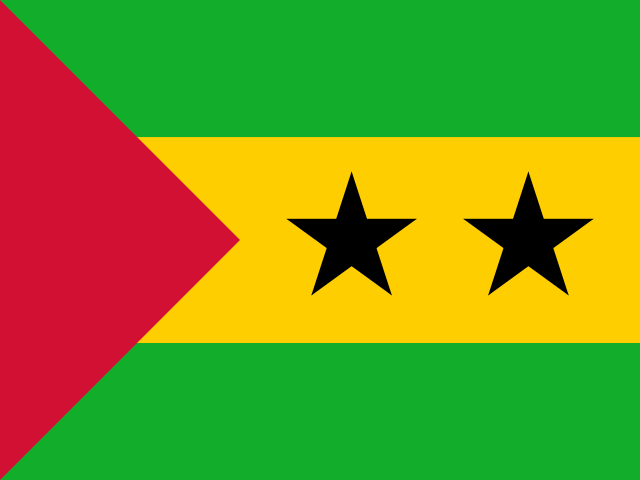 São Tomé and Príncipe