AfriqueUnie
 Photo: Amada44 · Public domain
Published by Adama Doumbia, founder of Afrique Unie · updated 28 November 2026 · our method and sources
Train or boat: how to choose
A luxury train is a cruise on rails: you sleep on board, eat in the dining car and the stops are organised for you. It is the ideal way to cover long distances in southern Africa without driving or juggling domestic flights. Everyday trains offer a more authentic experience, though comfort varies and delays can be lengthy.
A boat suits travellers who want to stop often. On the Nile you moor at the foot of the temples; in the Indian Ocean you hop from island to island; on Lake Kariba or in the Okavango Delta, the wildlife comes to you. Ask yourself three questions: how many days do you have, do you cope with seasickness or long days sitting down, and do you prefer all-inclusive service or adventure? The answers will point you in the right direction.
Southern Africa's luxury trains
- Rovos Rail, Pretoria to Cape Town: Rovos Rail, a private company founded in 1989 and still family-owned, departs from its Capital Park station in Pretoria. The journey to Cape Town covers about 1,600 km over three nights, in restored vintage carriages with en-suite compartments and organised stops along the way. It also runs in the opposite direction.
- Rovos Rail, Pretoria to Victoria Falls: About 1,400 km over three or four nights to Victoria Falls, in Zimbabwe, on the border with Zambia. The train heads north through the bushveld, with stops planned along the way. Allow a night or two at the end to enjoy the falls.
- Rovos Rail, Cape Town to Dar es Salaam: The company's grand journey: roughly 5,500 km and around fifteen nights between South Africa and the Tanzanian coast, through Zimbabwe and Zambia and then along the TAZARA line. Departures are rare, so book very early. Rovos Rail also runs other tours, including one to Lobito, in Angola, on the Benguela line.
- Blue Train, Pretoria to Cape Town: Descended from the Union Express launched in 1923, the Blue Train links Pretoria and Cape Town in just over a day, about 27 hours for some 1,600 km. It is known for its suites with private bathrooms, butler service and observation car. The scenery changes from the Highveld to the Karoo, then to the vineyards and mountains of the Cape.
Everyday trains that became legends
- Al Boraq, Tangier to Casablanca (Morocco): Africa's first high-speed train, launched by ONCF at the end of 2018. It reaches 320 km/h on the new line between Tangier and Kenitra, then continues via Rabat to Casablanca. At launch, the journey time fell from about 4 hours 45 minutes to 2 hours 10 minutes. Handy for combining northern Morocco with the Atlantic coast.
- Madaraka Express, Nairobi to Mombasa (Kenya): Inaugurated on 31 May 2017 and opened to passengers on 1 June, Madaraka Day, this train runs on the standard-gauge line between Nairobi Terminus at Syokimau, near the international airport, and Mombasa Terminus at Miritini. It crosses the corridor between Tsavo East and Tsavo West national parks, so keep your eyes open: animals are sometimes visible. The journey takes around half a day depending on the type of train.
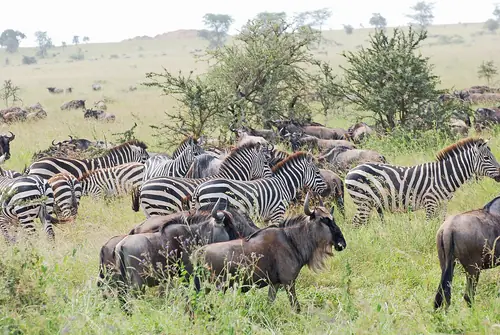
- TAZARA, Dar es Salaam to Kapiri Mposhi (Tanzania, Zambia): Built between 1970 and 1975 with Chinese support, this 1,860 km line crosses the northern part of today's Nyerere National Park, where giraffes, elephants or zebras are often seen from the train, then the Udzungwa Mountains and their tunnels. The trip takes at least two days and delays are common. Passenger services have been suspended and restored several times, so check the timetable with the TAZARA railway authority before you go.
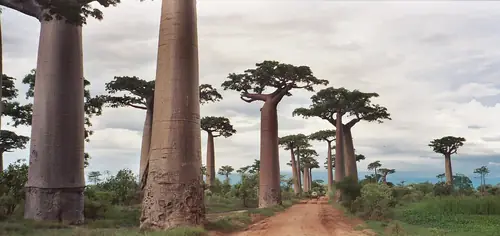
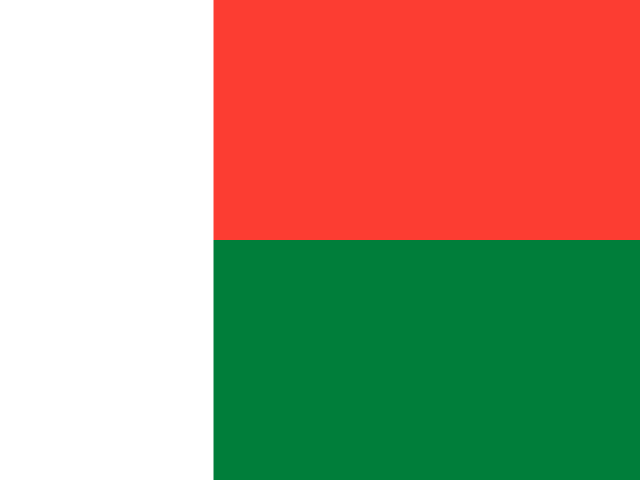
- Fianarantsoa to Manakara (Madagascar): Built by the French colonial administration between 1926 and 1936 using forced labour, this 163 km line drops from the highlands to the Indian Ocean through forest, crossing more than sixty bridges and nearly fifty tunnels. On arrival it crosses the runway of Manakara airport. The trip takes a long day and interruptions are frequent, so ask locally.
- Benguela Railway (Angola): Rebuilt after the civil war and reopened in 2015, it links the port of Lobito, on the Atlantic, with Luau, on the border with the Democratic Republic of the Congo, crossing the central plateau. Passenger services remain limited: it is mainly a curiosity for rail enthusiasts.
Mauritania's desert train: one to know about, not to improvise
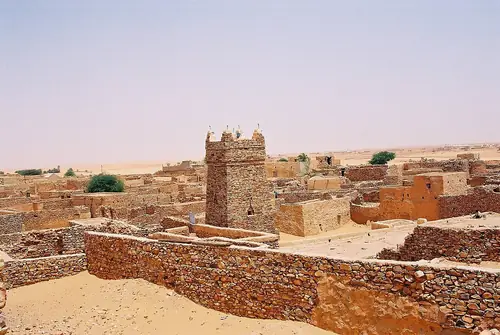
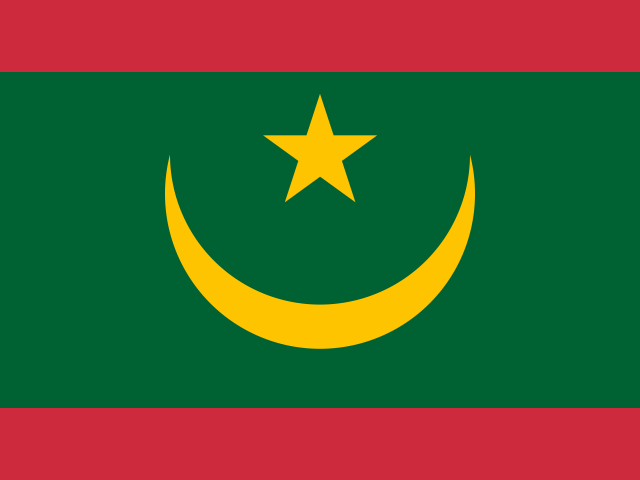
The 704 km line between the iron mines of Zouérat and the port of Nouadhibou, via Choum, is famous for ore trains up to 3 km long, among the longest in the world. Some travellers ride on the ore wagons, in crushing heat by day and sharp cold at night. This is dangerous and, according to the British authorities, illegal outside the designated passenger carriages.
Above all, the route crosses areas where the French and British authorities advise against all but essential travel, and the French foreign ministry advises against all travel north of Zouérat. We therefore do not recommend this journey at present. If the situation changes, check your government's travel advice and travel only with a recognised local organiser, in the passenger carriages.
The Nile and Lake Nasser
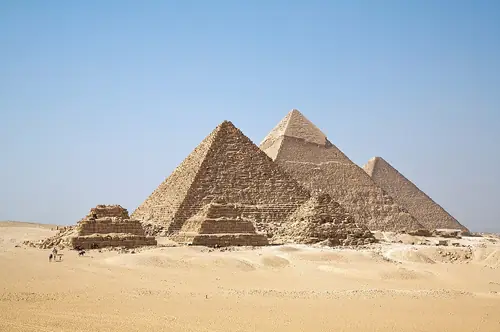
- Luxor to Aswan cruise: The classic route, usually three to four nights, with stops at Esna, Edfu (Temple of Horus) and Kom Ombo, between the temples of Karnak and Luxor at the start and Philae at the end. More than 300 cruise boats sail the river. The best season runs from October to February, when the heat is bearable; summer in Upper Egypt is very hot.
- Dahabiya: This flat-bottomed traditional sailing boat with two sails was the floating hotel of 19th-century travellers. Today's dahabiyas usually have fewer than ten cabins and are towed when the wind drops. Their advantage is that they can moor near small sites, islands or villages that the big boats do not serve. Itineraries are often a little longer and slower.
- Felucca in Aswan: An hour on a felucca at sunset around Elephantine Island and Kitchener's Island, with its botanical garden, is a must. Some travellers choose a sailing trip of several days, sleeping on deck: a rustic experience for those who accept minimal comfort.
- Lake Nasser and Abu Simbel: Created by the Aswan High Dam, the lake stretches for nearly 480 km. A few boats offer cruises of several days between Aswan and Abu Simbel, stopping at temples rescued from the rising waters, such as Kalabsha, Wadi es-Sebua and Amada. The Abu Simbel temples, moved in 1968, are part of the Nubian Monuments UNESCO World Heritage Site. Departures are limited, so book early.
The Indian Ocean, lakes and deltas
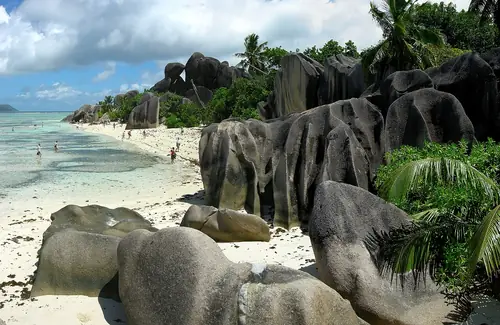
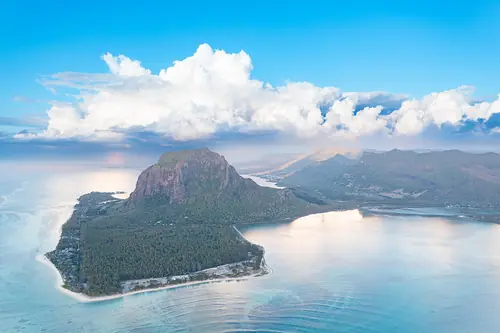
- Indian Ocean cruises: The Seychelles, Mauritius and Madagascar can be explored by cruise, on large ships or on small boats and catamarans that can reach less accessible islands. Beaches, coral reefs, turtles and seabirds are all on the menu. Check the cyclone season, which mainly affects Mauritius and Madagascar, roughly from November to April.
- Dhows in Zanzibar (Tanzania): The dhow, the lateen-rigged sailing boat of the Swahili coast, is best enjoyed at sunset off Stone Town, the UNESCO-listed old town, or on a day trip to the nearby sandbanks and islets. On the north coast, the village of Nungwi is a traditional dhow-building centre.
- Dhows in Lamu (Kenya): Lamu, traditionally said to have been founded around 1370 and listed by UNESCO, is Kenya's oldest continuously inhabited town. Dhow trips to Shela or Manda Island are part of local life. Be aware that the French and British authorities advise against travel to the mainland part of Lamu County; Lamu and Manda islands are the exception, and France recommends arriving by air only. Stay within that area and check official advice before booking.
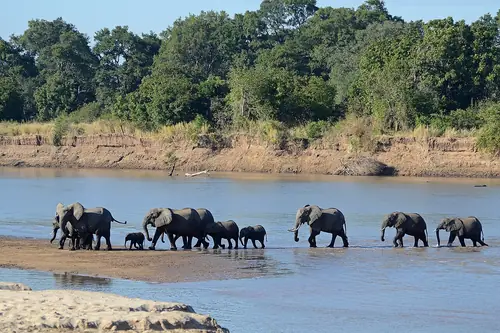
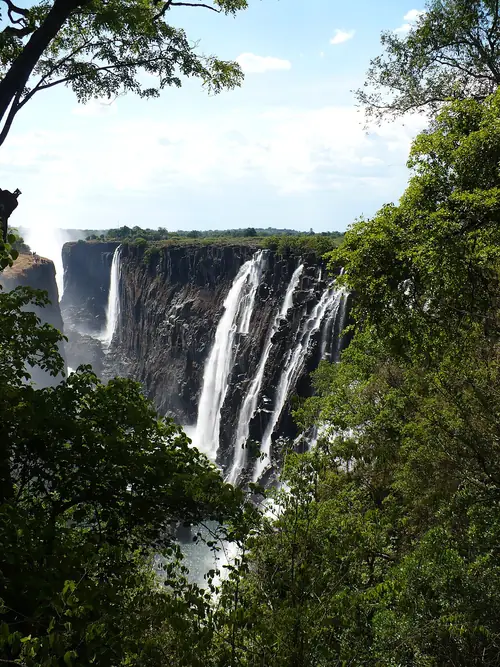
- Lake Kariba (Zimbabwe, Zambia): The world's largest man-made lake by volume, filled between 1958 and 1963, stretches for more than 220 km. Houseboats can be hired from the town of Kariba for several days on the water, often opposite Matusadona National Park: elephants on the shore, hippos, crocodiles, fish eagles and tigerfish angling. The dry season, roughly May to October, is the most pleasant, though October is very hot.
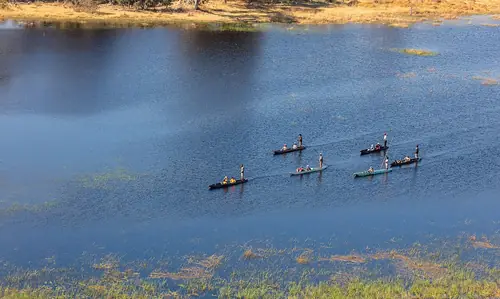
- The Okavango Delta by mokoro (Botswana): A mokoro (plural mekoro) is a dugout canoe that the poler propels standing up with a long pole. Trips last from a few hours to several days with nights under canvas. The flood peaks from June to August, during the dry winter: the delta, inscribed in 2014 as the 1,000th UNESCO World Heritage Site, then draws exceptional wildlife. Nights can be very cold at that time of year.
Booking and preparing your trip
For luxury trains, book well ahead, often several months in advance, or even earlier for the grand itineraries, whose departures are rare. Use the rail company's official website or a travel company you know, and be wary of deals that look too good on unfamiliar sites. For Al Boraq and the Madaraka Express, buy tickets through the official channels of ONCF and the Kenyan rail operator; trains are often full during holiday periods.
For a Nile cruise, compare the size of the boat, the number of nights and the visits included. For a felucca or dhow, agree on the length, route and what is included beforehand, and choose operators recommended by your accommodation or the tourist office. Check the entry requirements of every country you pass through: a route such as Cape Town to Dar es Salaam crosses several borders, each with its own visa rules. Conditions change, so always check official websites.
Health and safety
See a doctor or travel clinic several weeks before you leave. Malaria is present in much of the region covered here, including along the TAZARA line, in Zanzibar, at Lake Kariba, in the Okavango Delta and in Madagascar: ask for advice on prevention and pack repellent and long clothing. In Egypt, drink bottled water and protect yourself from the sun, even in winter.
On the water, insist on life jackets and never board an overloaded boat; sinkings do happen on lakes and along the coasts. In a mokoro, listen to your guide: hippos are dangerous and can overturn a canoe. On ordinary night trains, keep your valuables on you. Finally, before any trip, read your government's travel advice: it flags areas to avoid, which change regularly, and your insurance may not cover you if you ignore it.