AfriqueUnie
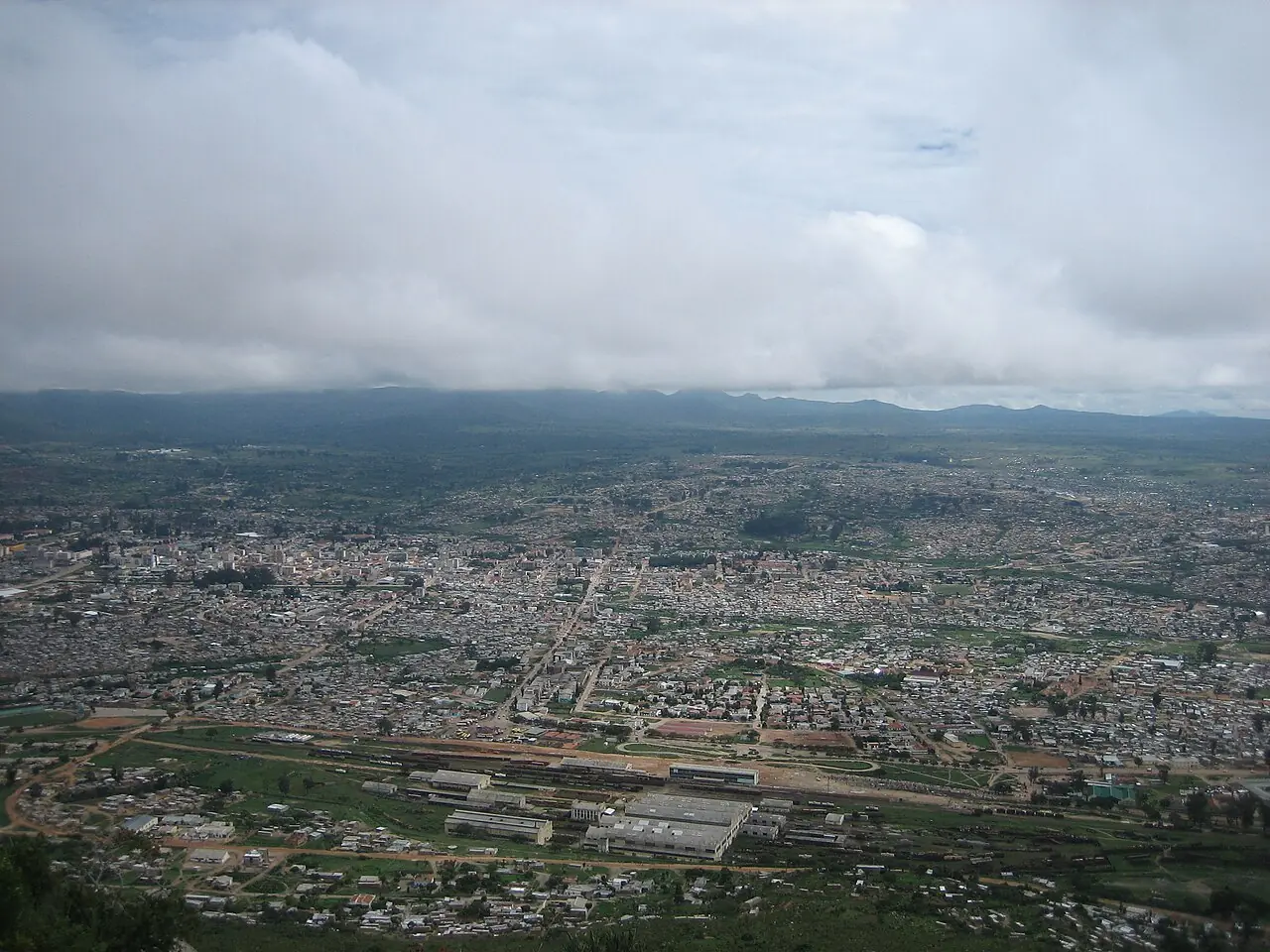 Photo: Erik Cleves Kristensen · CC BY 2.0
Published by Adama Doumbia, founder of Afrique Unie · updated 28 November 2026 · our method and sources
Why visit Lubango?
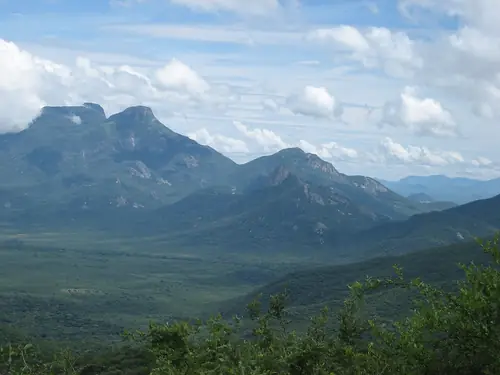
Perched on the Huíla highlands at almost 1,800 metres, Lubango enjoys a cool, dry climate that contrasts with the sticky heat of the coast. Founded by settlers from Madeira at the end of the nineteenth century, the town has kept an airy layout, colourful houses and the quiet feel of a provincial town. Ringed by mountains and cliffs, it makes an ideal base camp for exploring the south of the country.
The town's symbol is the statue of Christ the King, which looks down on Lubango from a neighbouring hill, modelled on those of Rio de Janeiro and Lisbon. From its viewpoint, the panorama takes in the whole town and the surrounding plateaux. In the centre, the cathedral, markets and gardens invite you to wander, while the shopping streets come alive in the morning.
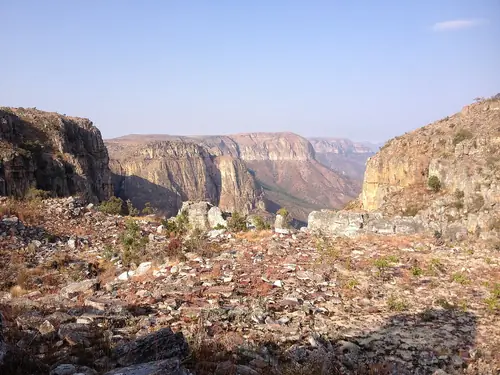
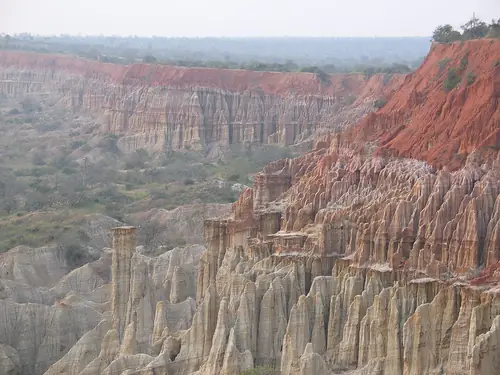
Above all, Lubango is the starting point for two of the country's great landscapes: the Tundavala Gap, a few kilometres away, and the spectacular Serra da Leba road, which descends towards the coast and the Namib Desert. Further south, the region is home to the Mumuila (Mwila) and Himba peoples, herders with remarkable adornments and hairstyles.
Things to do in Lubango: 6 ideas
- 01Christ the KingClimb up to the statue for a panoramic view over the town, ideally at the end of the day.
- 02Fenda da TundavalaDiscover the vertiginous gap some twenty kilometres away, at sunrise or sunset.
- 03Serra da LebaTake a trip along the famous zigzag road, stopping at the viewpoint.
- 04Central marketsWander among stalls of highland vegetables, fruit and colourful fabrics.
- 05Cathedral and gardensStroll through the centre, around the cathedral and its tree-lined squares, at the time of day when the mountain air is at its gentlest.
- 06Encounters in the southWith a local guide, visit the markets frequented by the Mumuila, while respecting their privacy.
Where to stay in Lubango
The town centre, around the cathedral and the main roads, has hotels and restaurants and makes it easy to explore the area. The more outlying residential districts, at the foot of the mountains, have a few guesthouses and lodges in a quieter, greener setting. For a nature-focused stay, a lodge on the outskirts is often more pleasant.
Frequently asked questions
How many days should I spend in Lubango?
Two to three days let you see the Cristo Rei statue, the Tundavala gap and the hairpin road of the Serra da Leba. Allow more to head down to Namibe and the desert, or to meet the peoples of the south with a guide.
How do I get from Lubango to Tundavala?
The gap is about 20 km north-west of town, roughly half an hour's drive; go by car with a driver or with a guide. Leave early, before mist or cloud hides the view, and take care at the cliff edges, which are not always fenced.
When is the best time to visit Lubango?
The dry season, from about May to September, brings clear skies, mild days and cold nights, especially from June to August. From November to April, the rains turn the plateau green but can block the view from the lookouts.
How do I get to Lubango from Luanda?
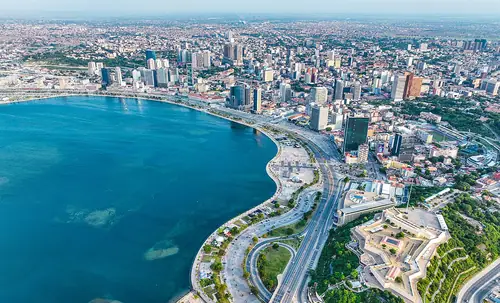
Flying is the easiest option, on a domestic flight of around an hour and a half. The road is very long: France advises travelling only by day and avoiding public transport, which is involved in many accidents. Landmines may remain away from main routes, so stay on the main roads.
Is Lubango safe?
Huíla province, like most of Angola, is under heightened vigilance, and general precautions apply. France advises against walking alone, even in the town centre, against driving at night and to keep away from gatherings. Leave valuables at your accommodation and be careful when withdrawing cash.
 Angola