AfriqueUnie
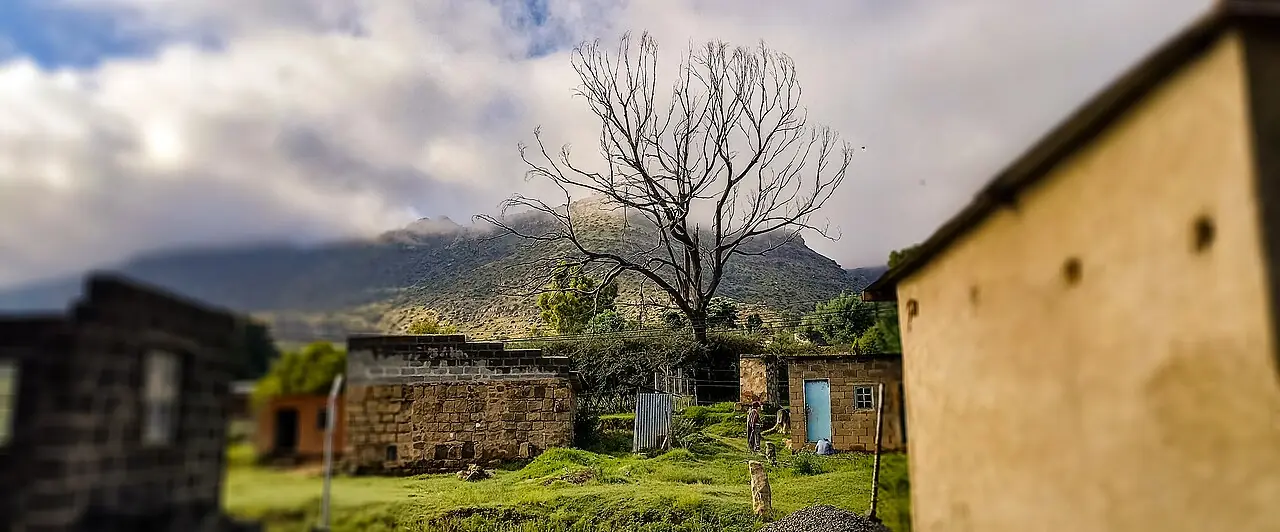 Photo: Sello Majara · CC BY-SA 4.0
Published by Adama Doumbia, founder of Afrique Unie · updated 28 November 2026 · our method and sources
Why visit Morija?
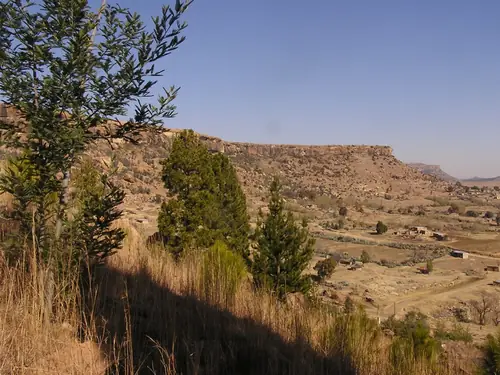
About forty kilometres south of Maseru, Morija is a peaceful village set against the Makhoarane plateau, but it is also one of the most history-laden places in Lesotho. In 1833, French Protestant missionaries from the Paris Evangelical Missionary Society settled here at the invitation of King Moshoeshoe I, founder of the Basotho nation. They opened one of the country's first schools and one of its first printing presses, and Morija has remained a centre of written culture in Sesotho ever since, with its old stone churches, its printing works and its schools.
The Morija Museum & Archives is the best possible introduction to the country: it covers the history of the kingdom, everyday Basotho objects, missionary documents and a fine collection of geology and palaeontology, including dinosaur fossils found in the region. Museum guides take visitors on foot to dinosaur footprints in the nearby hills. In some years the village also hosts an arts and culture festival bringing together music, dance and crafts.
Things to do in Morija: 6 ideas
- 01Morija Museum & ArchivesUnderstand the history of the kingdom, Basotho culture and the country's geology.
- 02Dinosaur footprintsWalk with a museum guide to fossilised tracks in the hills.
- 03The Makhoarane plateauClimb above the village for a hike and views over the lowlands and the Maloti.
- 04The mission churchAdmire one of the oldest stone churches in the country, in the heart of the village.
- 05The Morija festivalIf it takes place, enjoy the concerts, traditional dances and horse races of the cultural festival.
- 06Nearby sitesCombine the visit with Thaba Bosiu or the craft workshops around Maseru.
Where to stay in Morija
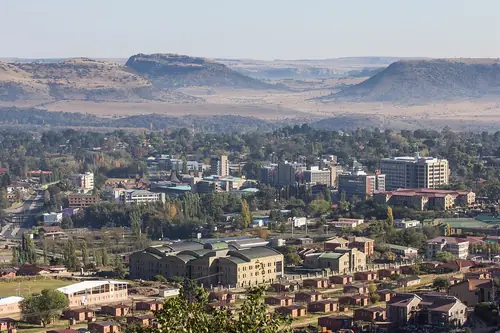
Morija is a village and options are limited: an established guesthouse on the hillside with views over the valley, a few homestays and lodging arranged through the museum. The atmosphere is simple, quiet and friendly. Those who prefer more choice will stay in Maseru, about an hour's drive away, and visit Morija as a day trip. During the festival, beds are scarce: book very early.
Frequently asked questions
How do you get from Maseru to Morija?
Morija is about 40 km south of Maseru on the main south road, roughly 45 minutes to an hour by car. The safest option is a hire car or a driver arranged by your accommodation, as the French government advises against local buses and taxis in Lesotho. Be back before dark.
How long does it take to visit Morija?
Half a day is enough for the museum and the mission church; a full day lets you add the guided walk to the dinosaur footprints and a hike on the Makhoarane Plateau. Staying a night lets you enjoy the village in peace.
Can you see the dinosaur footprints without a guide?
It is best to go with a museum guide, who knows where the tracks are and the path through the hills. It is a short hike, so bring good shoes, water and sun protection. Ask at the museum reception when you arrive.
Is Morija safe?
The village is peaceful, but the whole of Lesotho is under heightened vigilance according to the French government: bag snatching and vehicle theft are common and travelling at night is discouraged. Keep valuables out of sight and do not hike alone. In summer, beware of thunderstorms, as lightning is very dangerous in the country.
What is there to see around Morija?
Thaba Bosiu, the historic plateau of Moshoeshoe I, fits easily into the drive from Maseru. Further south, Malealea, about an hour away, is known for its hikes and pony treks in the mountains. Only drive in daylight.
 Lesotho