AfriqueUnie
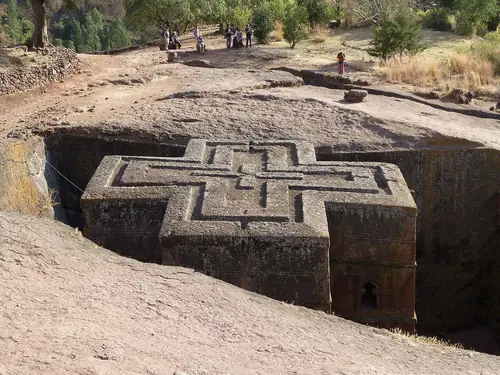
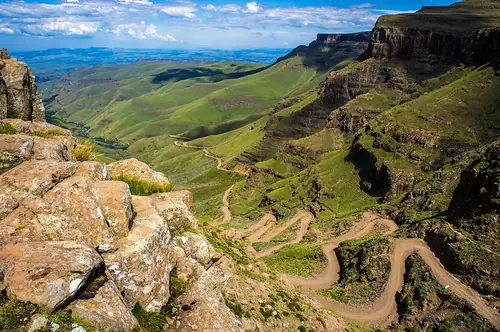
 Photo: Harvey Barrison from Massapequa, NY, USA · CC BY-SA 2.0
Published by Adama Doumbia, founder of Afrique Unie · updated 28 November 2026 · our method and sources
How to choose your summit
None of the four major summits in this guide requires mountaineering skills on its normal route: you get there by walking. The real challenges lie elsewhere: altitude, cold at the top, long days and sometimes the weather.
Three questions help you choose. How many days do you have? Toubkal can be climbed over a long weekend from Marrakesh, whereas Kilimanjaro needs at least a week on the ground. How high do you want to go? Above 4,000 metres the body reacts unpredictably, even in athletes, so a lower first summit is excellent practice. What is the security situation? Some magnificent mountains lie in regions that governments currently advise against visiting.
Finally, think about the season: East Africa's mountains have two rainy seasons, the High Atlas has a proper snowy winter, and the slopes of Mount Cameroon are among the wettest in Africa.
The four major summits in detail
- Kilimanjaro, Tanzania (5,895 m): Africa's highest point, this dormant volcano tops out at Uhuru Peak, in Kilimanjaro National Park. Several official routes lead to the top: Marangu, the only one with huts, said to be easy but short, with the lowest success rate; Machame, very popular; Lemosho and the Northern Circuit, longer and better paced; Rongai, on the drier northern side; and Umbwe, steep and direct. Allow six to eight days: the longer the itinerary, the better the acclimatisation. The climb is not technical, but altitude is a serious risk. Rain falls mainly from March to May and around November, so January to early March and June to October are preferred. The climb must be made with a licensed guide, through an authorised operator, and fees are set by the Tanzania National Parks Authority (TANAPA). Preparation: several months of hill walking with plenty of ascent, plus multi-day hikes carrying a pack.
- Mount Kenya, Kenya (5,199 m): Africa's second-highest mountain peaks at Batian (5,199 m) and Nelion (5,188 m), both for rock climbers only. The trekkers' summit is Point Lenana (4,985 m), which the vast majority of visitors climb. The park, a UNESCO World Heritage Site, is managed by the Kenya Wildlife Service (KWS). The busiest routes are Sirimon (north-west), Naro Moru (west, the most direct, possible in three days but with too little acclimatisation for many) and Chogoria (east, known for its gorges and lakes); many people combine two routes. Allow four to six days. Best periods: late December to mid-March, the driest, then July to September. Rules on guiding and entry fees are set by the KWS: check before you go, and in any case a licensed guide is strongly recommended. Wilder than Kilimanjaro, the ground is rougher and sometimes muddy.
- Toubkal, Morocco (4,167 m): The highest peak in Morocco and North Africa, Toubkal rises in the national park of the same name, about 60 kilometres south of Marrakesh. The normal route starts in Imlil and passes through Aroumd and the shrine of Sidi Chamharouch to the refuges at around 3,200 metres; the next day you reach the summit via the Ikhibi Sud valley, then descend. Two days are usually enough, three for better acclimatisation. From May to October the climb is non-technical but demanding, with steep, slippery scree; in late winter and spring, snow and ice call for crampons and an ice axe, and there is avalanche risk. The UK government advises hiring a professional guide in the Atlas, and a licensed guide is often required locally: check the current rules. It is the best first summit for testing how you react to altitude.
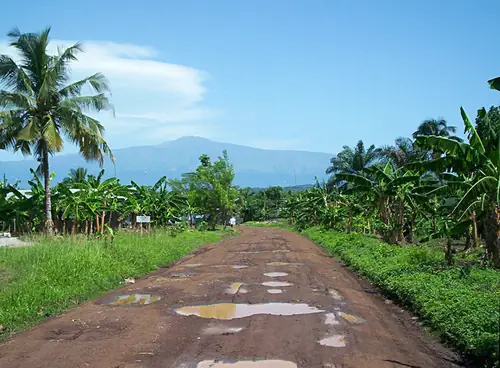
- Mount Cameroon, Cameroon (about 4,040 m): An active volcano, Cameroon's highest point and one of the highest summits in West and Central Africa, Mount Cameroon, or Fako, towers over Buea and the Gulf of Guinea. Its height varies between surveys, from about 4,040 to 4,095 metres; its last eruption was in 2012. It is protected by a national park created in 2009. The classic route starts in Buea and climbs through tropical forest, high-altitude grassland and lava fields, usually over two or three days with local guides and porters. The best time is the dry season, especially December to February; every year, in January or February, the Race of Hope sends runners up and down in a matter of hours. Important: Buea is in the South-West Region, where the UK advises against all travel and France currently advises against visiting Mount Cameroon; read the safety section before booking anything.
Other African summits
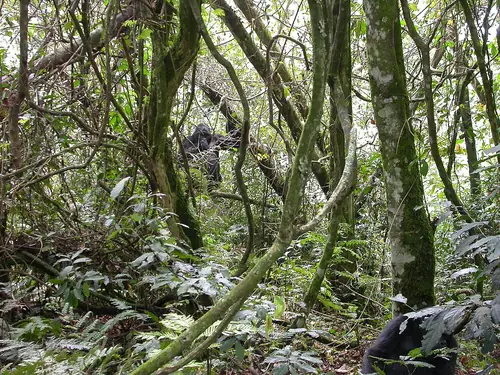
- Rwenzori (Uganda, DR Congo): The 'Mountains of the Moon' rise to Margherita Peak, on Mount Stanley, at 5,109 metres: a multi-day expedition through mud, rain and retreating glaciers, with mountaineering experience needed for the summit.
- Mount Meru (Tanzania): About 70 kilometres west of Kilimanjaro, this 4,562-metre volcano in Arusha National Park is climbed via the Momella route and is often used as preparation for Kilimanjaro.
- Ras Dashen (Ethiopia): Ethiopia's highest point (4,550 m), in Simien Mountains National Park in the Amhara Region: a multi-day trek, currently subject to strong official travel warnings.
- Simien Mountains (Ethiopia): A UNESCO World Heritage Site since 1978, famous for its escarpments, gelada monkeys and Walia ibex; the same precautions apply as for Ras Dashen.
- Thabana Ntlenyana (Lesotho): At 3,482 metres, the highest peak in southern Africa, in the Maloti Mountains north of Sani Pass: treeless, cold and windy highlands.
- Drakensberg (South Africa, Lesotho): This great escarpment has summits above 3,000 metres, such as Mafadi and Champagne Castle; summer thunderstorms are violent and lightning is frequent.
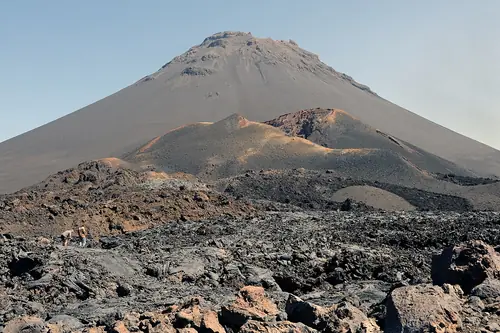
- Pico do Fogo (Cape Verde): A 2,829-metre active volcano that last erupted in 2014: a steep climb on ash and cinders from Chã das Caldeiras, inside the caldera.
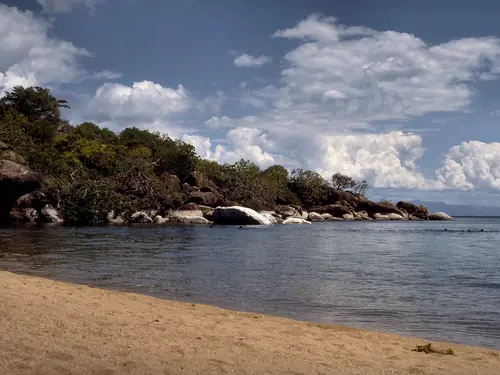
- Mount Mulanje (Malawi): Its Sapitwa Peak (3,002 m) is Malawi's highest point; huts on the plateau make multi-day hikes possible.
Acute mountain sickness
Acute mountain sickness occurs when you climb faster than your body can adapt to the lack of oxygen. It can affect anyone: being athletic offers no protection. It becomes common above about 2,500 metres, and both Kilimanjaro and Mount Kenya go well beyond the altitude at which its severe forms, high-altitude pulmonary oedema and high-altitude cerebral oedema, can occur.
The best prevention: go slowly. Choose a long route with acclimatisation days; walk at a pace at which you can still talk, the famous 'pole pole' ('slowly' in Swahili) of East African guides; climb high during the day and sleep lower when possible; drink regularly, and avoid alcohol and sleeping pills.
First signs: headache, nausea, loss of appetite, unusual tiredness, dizziness, poor sleep. Serious warning signs: breathlessness at rest, a persistent cough, confusion, loss of balance, extreme drowsiness. Never go higher with symptoms; if they get worse, descend immediately, accompanied, even at night. Descent is the most effective treatment.
Before you go, see a doctor, ideally one specialising in travel or mountain medicine, for a health check, possible preventive medication, vaccinations and malaria protection. This guide is no substitute for medical advice. Also make sure your insurance covers high-altitude trekking and medical evacuation.
Kit list
- Boots: Ankle-high, waterproof and already broken in: never new boots for a multi-day climb.
- Layered clothing: Technical base layers, a fleece, a down jacket, and waterproof jacket and trousers: you go from warm forest to bitter cold at the top, especially on the night-time summit push.
- Sleeping bag: Rated for nights below freezing; ask the organiser what they provide.
- Head, hands and eyes: A warm hat, gloves and mittens, high-protection sunglasses, sunscreen, a head torch and spare batteries.
- Poles and bottles: Trekking poles for scree and descents, bottles protected from freezing, a way to purify water and a first-aid kit.
- Winter equipment: Crampons and an ice axe for Toubkal in winter and spring, only if you know how to use them or are led by a qualified guide.
Choosing an operator or guide
Check the licence first. On Kilimanjaro, only authorised operators and licensed guides may lead a climb; for Mount Kenya, check with the Kenya Wildlife Service; in Morocco, use licensed mountain guides. Ask for the licence number of the operator and the lead guide.
Ask how guides and porters are treated: a fair wage paid directly, a reasonable load, decent food, warm clothing, shelter at night. An offer far cheaper than the rest usually comes at the expense of the crew or of acclimatisation days. Porter welfare organisations exist on Kilimanjaro: ask whether the operator follows their recommendations.
On safety: how many guides for how many clients, and can a guide take a sick hiker down without stopping the group? Are the guides trained in first aid? Do they check oxygen saturation every day? Does the team carry emergency oxygen and a means of communication? What is the evacuation plan?
Finally, read recent reviews on several platforms, especially accounts of people turning back, and ask for a day-by-day itinerary with overnight altitudes.
Budget: what really drives the cost
Costs vary enormously between mountains and between operators. In East Africa, the biggest item is park fees, often charged per person per day, plus, depending on the case, camping or hut fees and rescue fees. Every extra day therefore counts, which tempts some people to shorten the climb, at the expense of their acclimatisation.
Next come the route (number of days, transfer to the start), the size of the crew (guides, porters, cook), equipment hire and customary tips, a significant share of crews' income on Kilimanjaro and Mount Kenya: ask the operator for its guidelines and, where possible, hand tips directly to each person. Add flights, visas, insurance and nights before and after the climb.
Fees change regularly: check the official websites of the Tanzania National Parks Authority (TANAPA), the Kenya Wildlife Service and the relevant parks. Cutting corners on acclimatisation or on the crew is the worst possible saving.
Safety and official advice
Before booking, read your government's travel advice, for example the UK government's foreign travel advice or France Diplomatie, and check it again just before you leave. Travelling to an area your government advises against can also invalidate your insurance.
Mount Cameroon calls for particular caution. Buea, the starting point of the climb, is in the South-West Region, affected by the crisis in the Anglophone regions. At the time of writing, the UK government advises against all travel to the South-West Region, including Buea, and France Diplomatie says that visiting Mount Cameroon is currently not advised because of the unrest in the region. Check your own government's up-to-date advice before considering this climb.
In Ethiopia, the Simien Mountains and Ras Dashen are in the Amhara Region, to which both the UK government and France Diplomatie currently advise against all travel. For the Rwenzori, on the border with DR Congo, read official guidance carefully too.
In the mountains, never go alone, leave your itinerary with someone you trust, follow the instructions of rangers and guides, and turn back if the weather or your condition demands it. On active volcanoes, follow the instructions of the local authorities.