AfriqueUnie
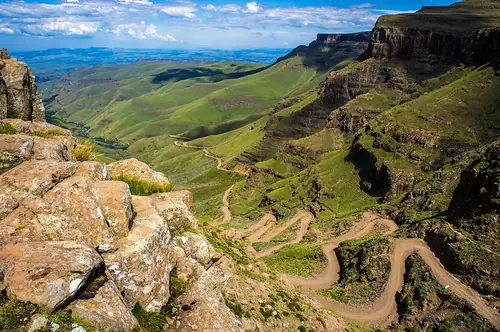
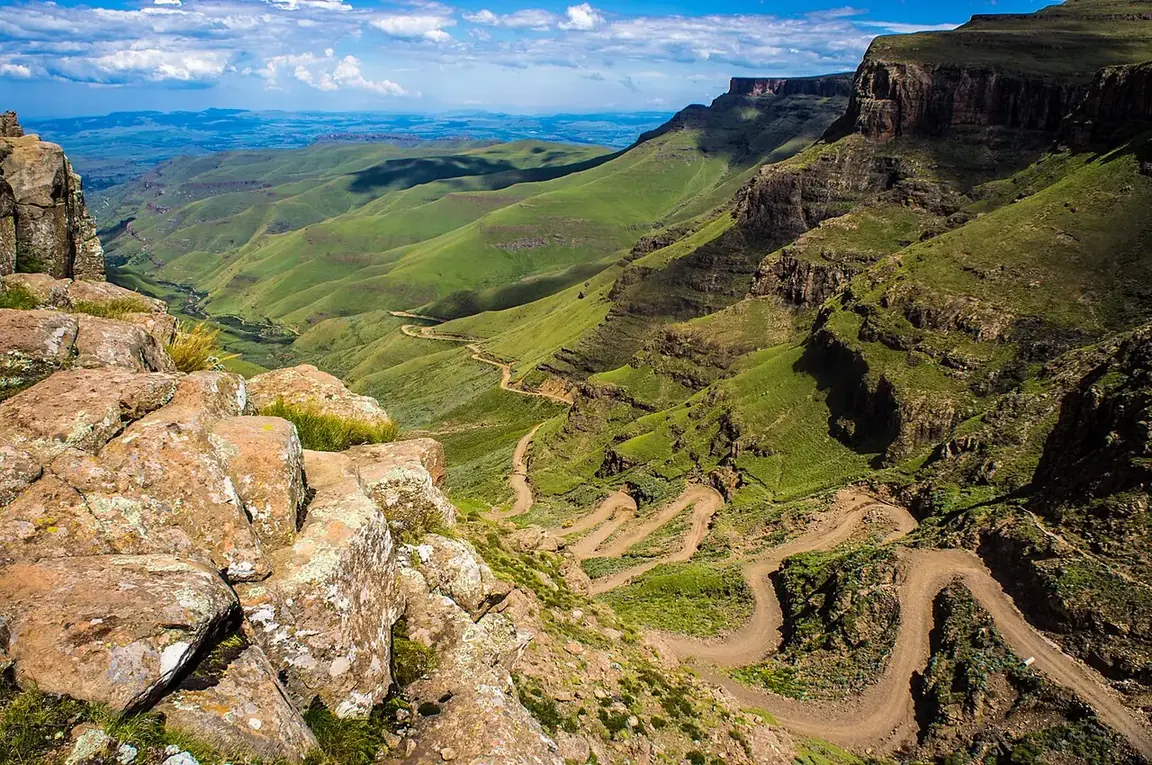 Photo: Vaiz Ha · CC BY 2.0
Published by Adama Doumbia, founder of Afrique Unie · updated 28 November 2026 · our method and sources
Daily budget
These are rough figures per person per day, excluding the international flight. They cover accommodation (two people sharing a room), meals and local transport.
On a tight budget, allow roughly €35 to €60, staying in hostels, campsites or community lodgings, cooking for yourself and using minibuses. For a comfortable trip, allow about €80 to €150, with a mid-range lodge, a 4x4 shared by two and a few guided pony treks. At the top end, allow €200 or more; the choice of luxury lodges is limited.
Vehicle hire, usually arranged in South Africa, is the main cost: travelling alone, the bill rises fast.
What is expensive and what costs next to nothing
- 4x4 vehicle: Essential for mountain roads and Sani Pass. Tell the rental company you are going to Lesotho, and consider cover for towing: a breakdown in the mountains is expensive.
- Guided trips: Crossing Sani Pass from South Africa, pony treks, visiting Maletsunyane Falls: compare what is included.
- Skiing: In the southern winter, the Afriski resort needs a budget of its own: lift pass, equipment hire and accommodation.
- Community lodgings: In villages and mountain lodges, sleeping and eating stay affordable.
- Everyday spending: Minibuses, markets and simple meals cost little.
Money: loti, rand and cash
The currency is the loti (LSL, plural maloti), pegged one-to-one to the South African rand. The rand is widely accepted in Lesotho; the loti is not accepted in South Africa, so spend your maloti before you leave.
According to the French foreign ministry, cards are only accepted in tourist establishments and the larger banks. Withdraw cash in South Africa or Maseru before heading into the mountains, and carry enough for lodges, fuel and guides.
Tips are appreciated by guides, pony handlers and lodge staff.
Visa and passport
Information checked in November 2026. These rules can change: read the official sources again before you travel.
British nationals can visit for up to 90 days without a visa, and can extend at the Visa Application Centre in Maseru. French nationals, according to the French foreign ministry, are visa-exempt only for stays of less than 14 days, with a permit issued on arrival; a longer stay requires a visa applied for in advance. Other EU, Swiss and Canadian nationals should check their own case. Overstaying can lead to detention and fines.
Passport: the UK government asks for at least 90 days' validity after arrival and four blank pages, because both Lesotho and South Africa stamp your passport on every crossing; the French ministry counts three months after you leave Lesotho. Make sure both stamps are applied.
South Africa: you will have to cross it. The French foreign ministry notes that South African officials usually grant only 7 days to travellers arriving overland from Lesotho, rather than the longer stay given on arrival from Europe. Not all border posts are open at night: check their hours.
Health and vaccinations
Yellow fever: the US CDC lists no entry requirement. The French foreign ministry, however, mentions a certificate for travellers coming from a country at risk of transmission: if that applies to you, bring it, all the more so as South Africa, which you will cross, also requires it in that case.
There is no malaria in Lesotho. The risks come mainly from the mountains: altitude, intense cold in winter, strong sun and very dangerous thunderstorms in summer, November to February, with lightning deaths every year.
Check your routine vaccines and ask about hepatitis A, typhoid and rabies. Health facilities are weak, especially in the mountains: insurance covering evacuation and repatriation is essential.
Before you go: the checklist
- Length of stay: Up to 90 days visa-free for British visitors; less than 14 days for French visitors, with a visa needed beyond that.
- Passport: At least three months' validity after you leave and four blank pages for Lesotho and South African stamps.
- Car: Written permission from the South African rental company, the vehicle's papers and towing cover.
- Weather: Snow often blocks roads from June to October: check forecasts before setting off and carry water.
- Official sources: The Lesotho page on gov.uk/foreign-travel-advice and the Lesotho page of « Conseils aux voyageurs » on diplomatie.gouv.fr. France asks for increased vigilance across the country and describes the political situation as uncertain.
- Caution: Thefts and muggings are reported in Maseru and at isolated viewpoints and car parks: drive with doors locked and avoid driving after dark.