 AfriqueUnie
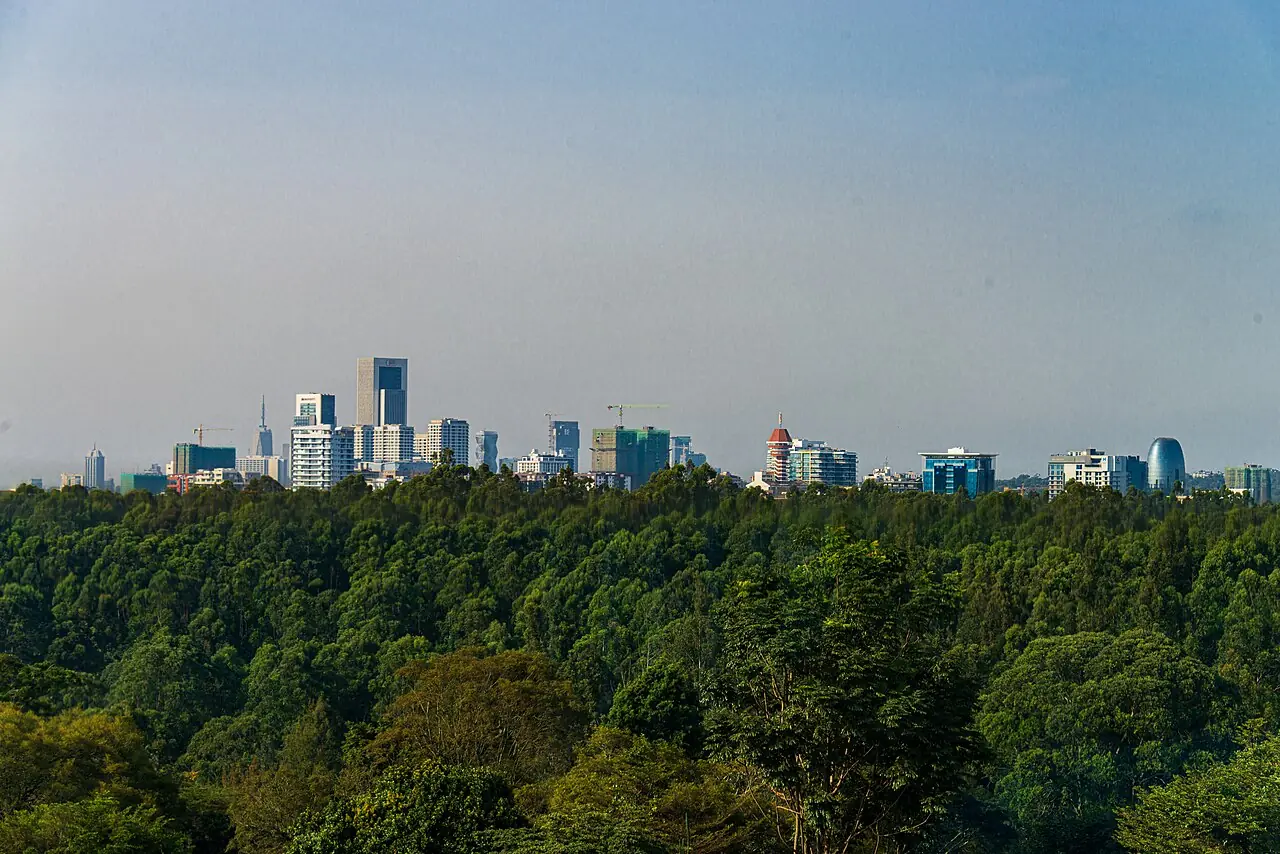 Photo: Daniel Case · CC BY-SA 4.0
Published by Adama Doumbia, founder of Afrique Unie · updated 28 November 2026 · our method and sources
Day 1: Langata and Karen: wildlife and Karen Blixen
- 01MorningEnter Nairobi National Park as soon as the gates open at dawn, in a safari vehicle with a driver: this is when lions, black rhinos and giraffes are most active. The park begins just a few kilometres south of the city centre, but you cannot walk outside the designated areas. Allow three hours on the tracks before leaving on the Langata side.
- 02LunchAt 11 am, head to the Sheldrick Wildlife Trust elephant orphanage on the edge of the park for the one-hour public visit, when the rescued calves drink from their bottles and roll in the mud. Visits must be booked in advance directly with the trust, and the national park entry fee may also be charged, so check when you book. Then have lunch in Karen, fifteen minutes away by road.
- 03AfternoonMove on to the Giraffe Centre in Langata, where you feed Rothschild's giraffes from a raised platform, then to the Karen Blixen Museum, ten minutes away at the foot of the Ngong Hills. The museum guides tell the story of the author of Out of Africa in her furnished farmhouse; linger afterwards in the garden facing the hills.
- 04EveningStay in Karen or Langata for dinner, leafy suburbs with plenty of garden restaurants, rather than crossing the city at rush hour. Head back by ride-hailing app or booked taxi, windows up and doors locked, as the French authorities recommend: in Nairobi, avoid walking after sunset, even for a few hundred metres.
Day 2: Museum Hill, Westlands and the city centre
- 01MorningStart at the National Museum on Museum Hill, just north-west of the centre: prehistory and fossils from the dawn of humankind, Kenya's cultures, the story of colonisation and independence, and contemporary art. Allow two hours, then stroll through the adjoining botanical garden. The neighbouring snake park, with its East African reptiles, is a hit with children.
- 02LunchHave lunch in Westlands, a few minutes away by car and one of the liveliest districts in the city, then browse the Maasai Market. This craft market moves to a different location depending on the day of the week, so ask where you are staying where it is being held that day. Haggle with a smile for beads, kikoys and Kisii soapstone carvings.
- 03AfternoonDrive into the centre for the Nairobi Gallery, housed in a colonial building dating from 1913, then the Railway Museum, which tells how the city grew up around the Uganda Railway. Do not photograph official buildings, as it is illegal, stay away from Uhuru Park, considered dangerous, and avoid wandering on foot around the central business district.
- 04EveningFor dinner, Westlands, Kilimani and Lavington offer Kenyan, Swahili, Ethiopian and Indian cooking. Now is the time to try nyama choma, grilled meat for sharing, served with ugali and kachumbari, a tomato and onion salad. Order your ride from inside the restaurant and wait indoors rather than on the pavement.
Day 3: Karura Forest or a day trip to Lake Naivasha
- 01MorningCity option: Karura Forest, north of the centre, is fenced and patrolled, with more than 50 km of trails for walking or cycling. Follow the signs to the waterfall, the caves once used as a hideout by Mau Mau fighters and the bamboo forest. Day-trip option: set off around 7 am for Lake Naivasha, roughly two hours' drive north-west.
- 02LunchAt Karura, picnic in the forest or have lunch in nearby Gigiri, home to the United Nations Office at Nairobi. At Naivasha, take a boat trip to watch hippos, pelicans and African fish eagles, with a licensed boatman and a life jacket. Do not swim: hippos and waterborne diseases make the lake dangerous.
- 03AfternoonIn town, keep the afternoon for one last craft market or a break in your own neighbourhood. From Naivasha, Hell's Gate National Park, next to the lake, can be explored by bike or by car among zebras, giraffes and buffaloes, between cliffs and volcanic towers. Skip the gorge if storms threaten: it is prone to flash floods.
- 04EveningHead back to Nairobi by mid-afternoon at the latest: the French authorities strongly advise against driving at night outside towns, and the climb up the Rift Valley escarpment is slow. On your last evening, have dinner close to where you are staying and check the journey time to the airport, which is often longer than expected.
Practical tips
- 01Getting aroundHire a driver for the day or use ride-hailing apps, with windows up and doors locked. Avoid matatus and above all boda-bodas, which the French authorities advise against. Between the airport and the city, use Mombasa Road or the Expressway rather than the old airport road.
- 02Where to stayKaren and Langata suit the first day, close to the park and the giraffes; Westlands, Kilimani and Lavington suit the rest of your stay. Avoid staying in the central business district, which empties at night, and in the areas advised against, such as Eastleigh, Pangani, Kibera and Mathare.
- 03When to goThe dry seasons, from June to October and from January to February, are best for wildlife. The long rains usually fall from March to May, the short rains in November and December. Nairobi sits at almost 1,800 m, so pack a jacket for cool evenings.
- 04Safety and etiquetteDo not wear jewellery or carry a camera in plain sight, and never resist if you are robbed. Stay alert in shopping centres, hotels and places popular with foreigners, which are exposed to the terrorist threat, and stay away from demonstrations, which are frequent in Nairobi. Always ask before photographing people, including Maasai traders, and take extra care over the Christmas and New Year period.
Frequently asked questions
Are 3 days enough for Nairobi?
Yes, three days let you see the highlights without rushing: the national park, the elephant orphanage and the Giraffe Centre on day one, museums and markets on day two, then Karura Forest or Lake Naivasha on day three. Beyond that, it is better to head off on safari to the Maasai Mara or Amboseli.
Can you visit Nairobi without a car?
Not easily. Distances are long, pavements are scarce and the French authorities advise against getting around on foot, especially after dark. Ride-hailing apps work well, and a driver for the day makes the first day far simpler, between the national park, Langata and Karen.
What can you do in Nairobi when it rains?
Choose indoor visits: the National Museum, the Nairobi Gallery, the Railway Museum or the Karen Blixen Museum. The national park stays open, but some tracks turn muddy, so a 4x4 is best. Avoid the Hell's Gate gorge in stormy weather because of flash floods.
When should you book the elephant orphanage?
As early as possible: the public visit, held daily from 11 am to midday, only accepts bookings made directly with the trust, and places are limited. Plan your first day around this slot, after an early game drive in the neighbouring national park.