 AfriqueUnie
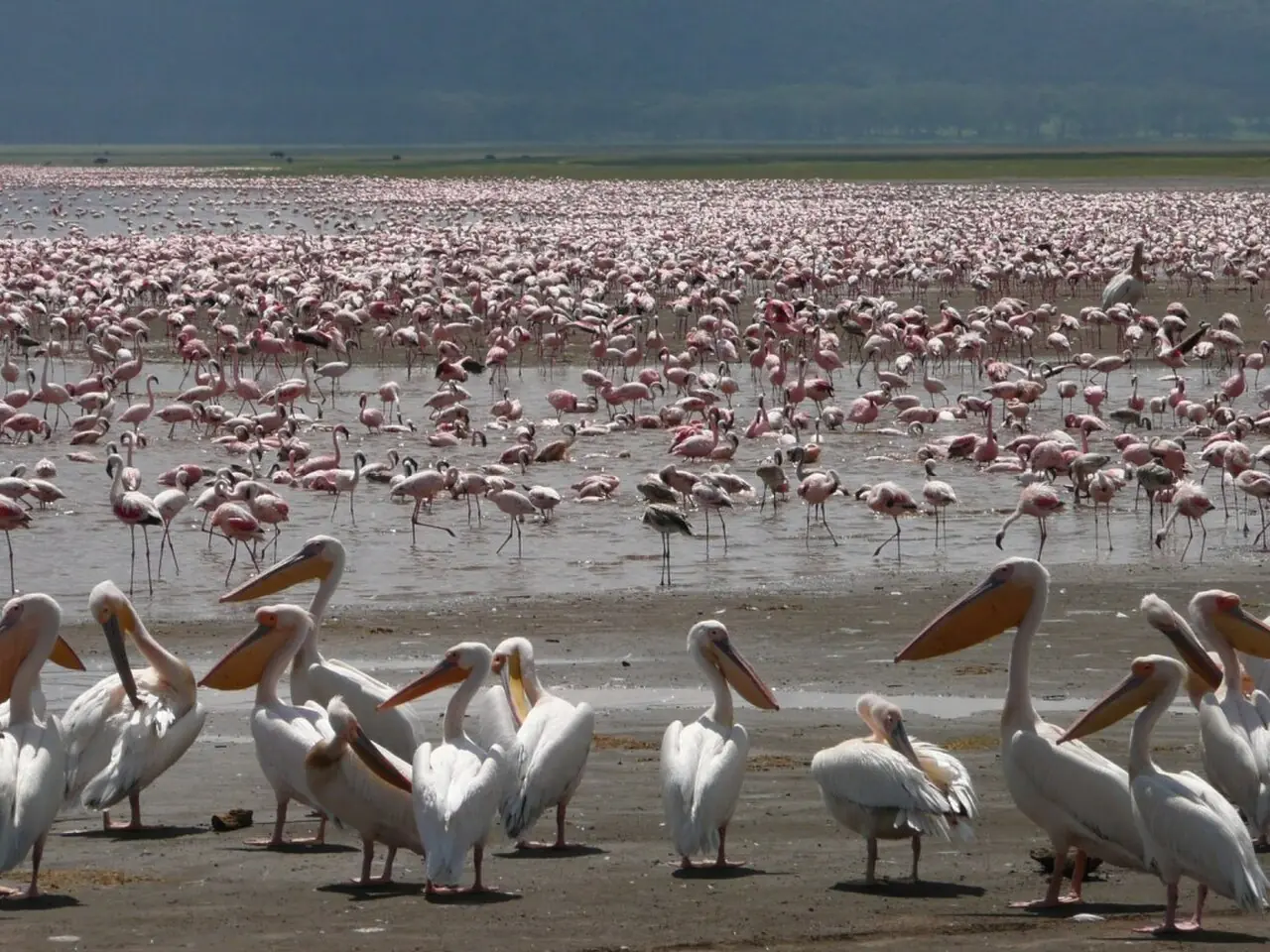 Photo: BombX · CC BY-SA 3.0
Published by Adama Doumbia, founder of Afrique Unie · updated 28 November 2026 · our method and sources
- Day 1
Nairobi, giraffes and baby elephants
Depending on your arrival time, use the day for a first encounter with wildlife without leaving the city. In late morning, the elephant orphanage on the edge of Nairobi National Park opens to the public for an hour, while the keepers feed the young elephants: book your slot in advance. Carry on to the giraffe centre in Langata, where you can see Rothschild's giraffes up close from a raised platform. If you land early, a drive in the national park itself can reveal lions, rhinos and buffalo with skyscrapers on the horizon. Have dinner in Karen or Westlands and get an early night: the road starts again tomorrow.
- Day 2
The Rift Valley and Lake Nakuru
Allow three to four hours' drive north-west. Shortly after Nairobi, the road drops into the Rift Valley: stop at the viewpoint to take in the vast trough. Lake Nakuru National Park is one of the best places in the country to see rhinos, both white and black, protected by a fence that makes it a true sanctuary. Rothschild's giraffes, buffalo, baboons and sometimes lions and leopards complete the picture. Flamingo numbers, however, vary greatly with the water level, which has risen sharply in recent years. Drive up to Baboon Cliff for the panorama over the lake before heading to your lodge.
- Days 3-5
Three days in the Maasai Mara
The drive to the Maasai Mara takes five to six hours, the last stretch on a bumpy track: the safari begins as soon as you enter the reserve. Two full days let you alternate dawn and late-afternoon game drives, when the big cats are most active. Lions, cheetahs, elephants, giraffes, hippos and the crocodiles of the Mara River are all on the menu. From July to October, the Great Migration brings hundreds of thousands of wildebeest and zebra, and the dramatic river crossings are never guaranteed. For a more intimate experience, stay in one of the neighbouring conservancies, where vehicle numbers are limited. A sunrise balloon flight is expensive but unforgettable.
- Days 6-7
Amboseli, elephants and Kilimanjaro
The Mara and Amboseli are far apart by road: the simplest option is a light aircraft, connecting in Nairobi, which lands you in Amboseli around midday. The park is famous for its large elephant herds, easy to approach in the swamps fed by groundwater from Kilimanjaro. The mountain, on the Tanzanian side, shows itself mainly early in the morning and late in the day, when the clouds lift: be out on the track at sunrise. Climb Observation Hill for the view over the swamps, where buffalo, hippos and water birds gather. A visit to a Maasai village, arranged with the community, rounds off the stay.
- Days 8-9
To the Indian Ocean and Diani Beach
There are two ways to reach the coast: a long day on the road, seven to eight hours, crossing Tsavo West National Park with a final game drive on the way, or a flight to the coast connecting in Nairobi. Either way, you arrive in the evening at Diani Beach, south of Mombasa. The next day is for resting: white sand, palm trees and a lagoon sheltered by the reef. Head out by dhow to the waters of Kisite-Mpunguti for snorkelling and, with luck, dolphins, or look for colobus monkeys in the patches of forest along the coast road. Mind the tides: at low tide, much of the lagoon drains away.
- Day 10
Mombasa's old town, then home
Depending on traffic, Mombasa is one to two hours' drive from Diani. Spend the morning at Fort Jesus, built by the Portuguese at the end of the 16th century and listed by UNESCO, then wander through the neighbouring old town: narrow lanes, carved wooden balconies, Swahili doors, mosques and small spice shops. Have a coffee or a fresh juice by the old harbour, where dhows once set sail for Arabia and India. In the early afternoon, head to Mombasa airport for your flight home, often connecting in Nairobi. If your flight leaves late, Nyali Beach, north of the city, allows one last swim.
Getting around
For the safari section, the usual approach is a pop-up-roof 4x4 with a driver-guide, booked for the whole trip: the tracks are demanding and the guide knows where to find the wildlife. The light aircraft serving the park airstrips save a huge amount of time, but limit luggage to a light soft bag. Between Nairobi and Mombasa, the fast express train is a comfortable alternative to the road.
When to do this trip
The dry season, from July to October, is ideal for safari and coincides with the migration in the Maasai Mara. January and February, hot and dry, are also excellent and less crowded. The long rains of April and May make some tracks difficult, but prices drop. On the coast, humid heat prevails all year, with heavy rain from April to June.
The travel notebook
The itinerary, practical information (entry, health, money, emergencies) and the checklist in a few pages, to print or keep offline on your phone.
Variations
- In 7 days: keep Nairobi, the Maasai Mara and Amboseli, and fly home from Nairobi without going to the coast.
- In 14 days: add Lake Naivasha and a night in Tsavo East National Park before Diani Beach, and spend longer on the coast.
- All-safari version: swap the beach for Samburu National Reserve, north of Mount Kenya, and its species not found further south.