AfriqueUnie
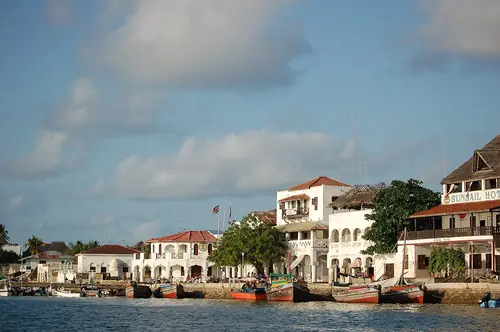
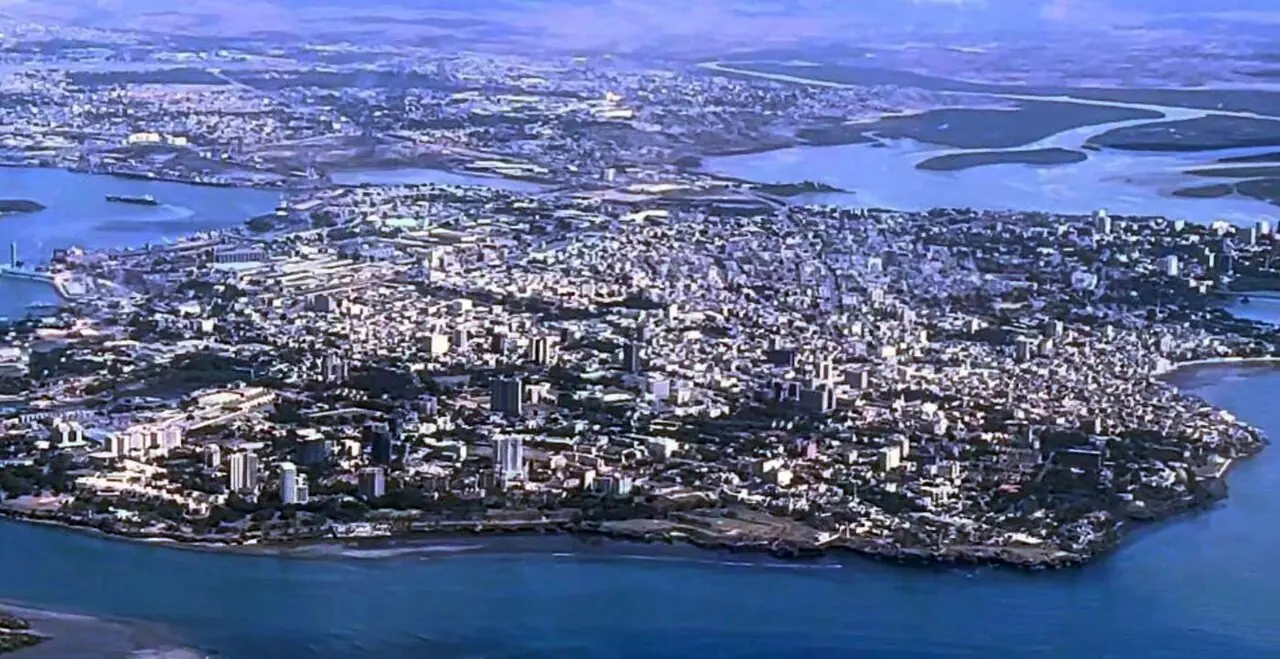 Photo: Leo Hempstone · CC0
Published by Adama Doumbia, founder of Afrique Unie · updated 28 November 2026 · our method and sources
Why visit Mombasa?
Kenya's second city and East Africa's leading port, Mombasa is built largely on an island, linked to the mainland by bridges, a causeway and the famous Likoni ferry. It breathes the Indian Ocean: hot, heavy air, the smell of spices and grilled fish, the call to prayer mingling with the horns of tuk-tuks. Its population is a mix of Swahili, Arabs, Indians and Kenyans from all over the country.
The historic heart lies in the Old Town, a maze of narrow alleys lined with houses with carved wooden balconies and heavy studded doors, a legacy of Arab, Indian and Portuguese influences. At its far end stands Fort Jesus, a fortress built by the Portuguese at the end of the 16th century and a UNESCO World Heritage Site, fought over for centuries by the Portuguese, the Omanis and the British.
Beyond the island, the north coast, with Nyali and Bamburi, is lined with beaches and resorts, while to the south, across the ferry, stretches the Diani coast. Mombasa is also the terminus of the train from Nairobi, making it an excellent gateway to the beaches after a safari.
Things to do in Mombasa: 6 ideas
- 01Fort JesusExplore the ramparts, the cisterns and the small museum that tells the turbulent story of the Swahili coast.
- 02The Old Town on footExplore the alleys by day, among mosques, stalls and carved doors, preferably with a local guide and without valuables: the UK flags higher crime risks in the Old Town.
- 03The Moi Avenue tusksPass beneath the great aluminium elephant tusks, the city's emblem, erected in 1952.
- 04The spice marketWander around Mackinnon Market and the neighbouring spice shops for cumin, cardamom and pilau blends.
- 05Street foodIn the evening, try viazi karai, potatoes in spiced batter, and mishkaki skewers.
- 06Haller ParkSee in Bamburi how a former cement quarry has been transformed into a wooded park full of animals.
Where to stay in Mombasa
For culture and history, stay in or near the Old Town, in a Swahili-style guesthouse, and accept the heat and noise, taking a taxi in the evening, as the UK flags higher crime risks there. Nyali, on the north coast, is an affluent residential area with shopping centres, restaurants and a beach, ideal for combining city and sea. Further north, Bamburi and Shanzu are lined with large beach hotels, often all-inclusive. If swimming is your main aim, opt for Diani, to the south, less than an hour away outside the ferry jams. The commercial centre of the island is best suited to a one-night stopover.
Frequently asked questions
How many days should I spend in Mombasa?
One or two days are enough for Fort Jesus, the Old Town, the spice market and the Moi Avenue tusks. Mombasa is then easily combined with the beaches of Diani to the south or the north coast.
Is Mombasa safe?
Stay alert: France reports high crime along the whole coast and a terrorist threat in large cities, including Mombasa. The UK flags higher risks in the Old Town and on and around the Likoni ferry. Visit by day without valuables, avoid isolated lanes and take a taxi in the evening.
How do I get from Nairobi to Mombasa?
The express train, which links the two cities in about five to six hours, or a flight are the options France recommends for long distances, rather than the bus. Keep your valuables with you on the train and at stations.
What should I wear in Mombasa?
Cover up, including shoulders and knees, in the Old Town and near mosques, as the coast's population is mainly Muslim. Keep beachwear for beaches and hotels. During Ramadan, avoid eating or drinking openly in the street.
When is the best time to visit Mombasa?
The driest periods, from December to March and from July to October, are ideal, with strong heat from January to March. The long rains, roughly April to June, make the coast more humid. Whatever the season, visit Fort Jesus early in the morning, before the heat.

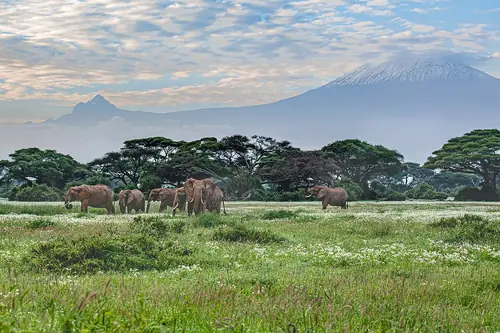
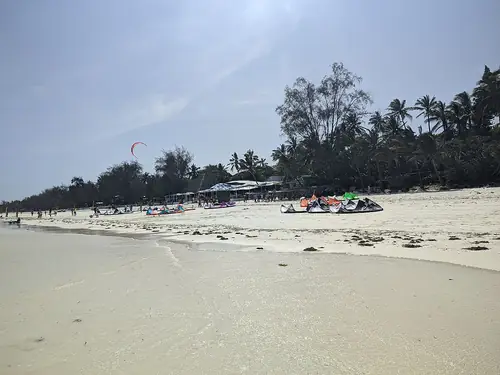
 Kenya