 AfriqueUnie
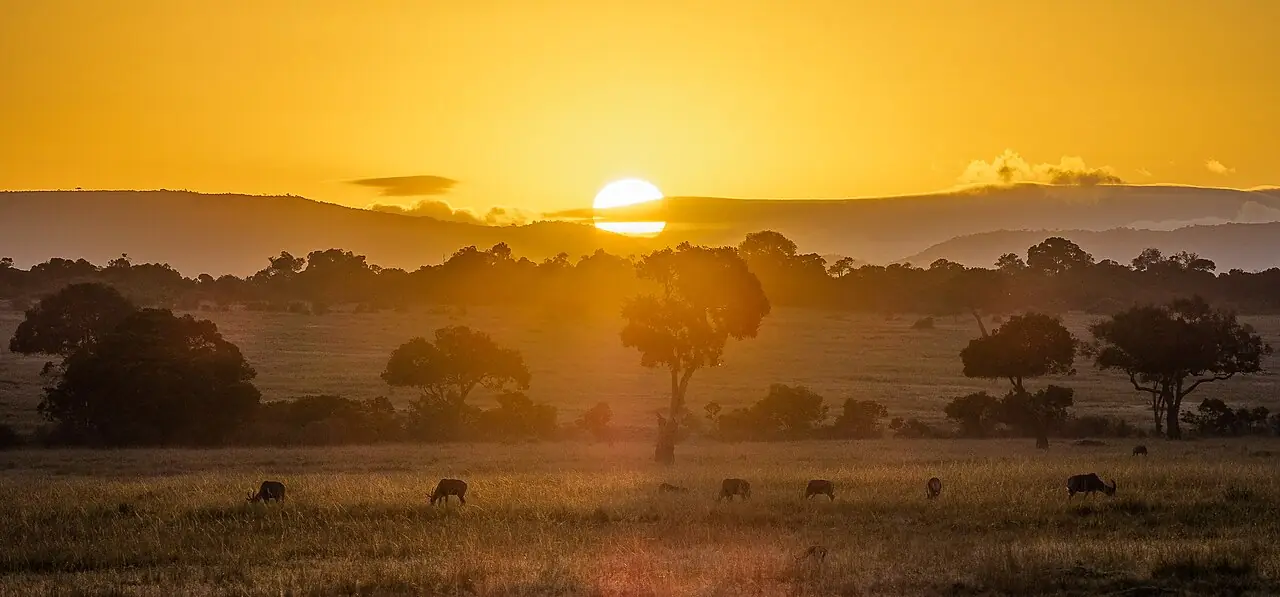 Photo: Danijel Mihajlovic · CC BY-SA 4.0
Published by Adama Doumbia, founder of Afrique Unie · updated 28 November 2026 · our method and sources
Kenya and Tanzania are the first two names that spring to mind when you dream of an East African safari. They are neighbours and share the same great ecosystem, the Maasai Mara and the Serengeti, crossed every year by the Great Migration of wildebeest and zebra.
The choice therefore depends less on the wildlife, which is exceptional on both sides, than on your budget, the season, the length of your trip and what you want to add to the safari: climbing Kilimanjaro, the beaches of Zanzibar or Kenya's Swahili coast. Here is our detailed comparison.
 Kenya |  Tanzania | |
|---|---|---|
| Capital | Nairobi | Dodoma (official) · Dar es Salaam (economic) |
| Best time to go | July to October, January to February | June to October, January to February |
| Budget | Mid-range | High-end |
| Currency | Kenyan shilling (KES) | Tanzanian shilling (TZS) |
| Languages | Swahili, English | Swahili, English |
| Dishes to try | Nyama choma, ugali, sukuma wiki | Ugali, pilau, chipsi mayai |
Safari and wildlife
A drawA draw on the essentials. Kenya offers the Maasai Mara, the elephants of Amboseli in front of Kilimanjaro and the rhinos of Lake Nakuru. Tanzania has the vast Serengeti National Park, with a remarkable density of big cats, and the Ngorongoro Crater, a natural Noah's Ark. Both countries deliver the Big Five.
Landscapes and beaches
TanzaniaTanzania adds two major assets: Mount Kilimanjaro, Africa's highest peak, within reach of well-prepared walkers, and the Zanzibar archipelago, with Stone Town and the Nungwi and Kendwa beaches. Kenya holds its own with the Rift Valley, Diani Beach and the island of Lamu, but the safari-and-Zanzibar combination remains a classic that is hard to match.
Culture and food
A drawBoth countries share the Swahili language, Maasai culture and a coastline shaped by centuries of trade with Arabia and India. Stone Town in Zanzibar and Lamu Old Town, both UNESCO-listed, echo each other. At the table, nyama choma and ugali in Kenya, pilau and chipsi mayai in Tanzania.
Budget
KenyaKenya is rated ‘mid-range’ on our site (around €60–120 per person per day, excluding flights), Tanzania ‘high-end’. Park fees in northern Tanzania and the long distances of the circuit partly explain the gap. In Kenya it is easier to find short safaris and mid-range accommodation.
Best time to go
A drawIn Kenya, the best period is from July to October, when the migration reaches the Maasai Mara, and then January and February. In Tanzania, the dry season from June to October is ideal, and January to February is calving season in the southern Serengeti. The herds spend much of the year on the Tanzanian side.
Getting there and getting around
KenyaNairobi is one of Africa's main air hubs, around eight and a half hours' direct flight from Paris, and the Maasai Mara can be reached by road or light aircraft. Tanzania is often served with a stopover, via Kilimanjaro or Zanzibar, and its northern circuit involves more driving. Kenya is therefore better suited to short trips.
 Tanzania (Zanzibar) or Seychelles
 Kenya or South Africa
 Kenya or Uganda
 Zanzibar or Cape Verde