AfriqueUnie
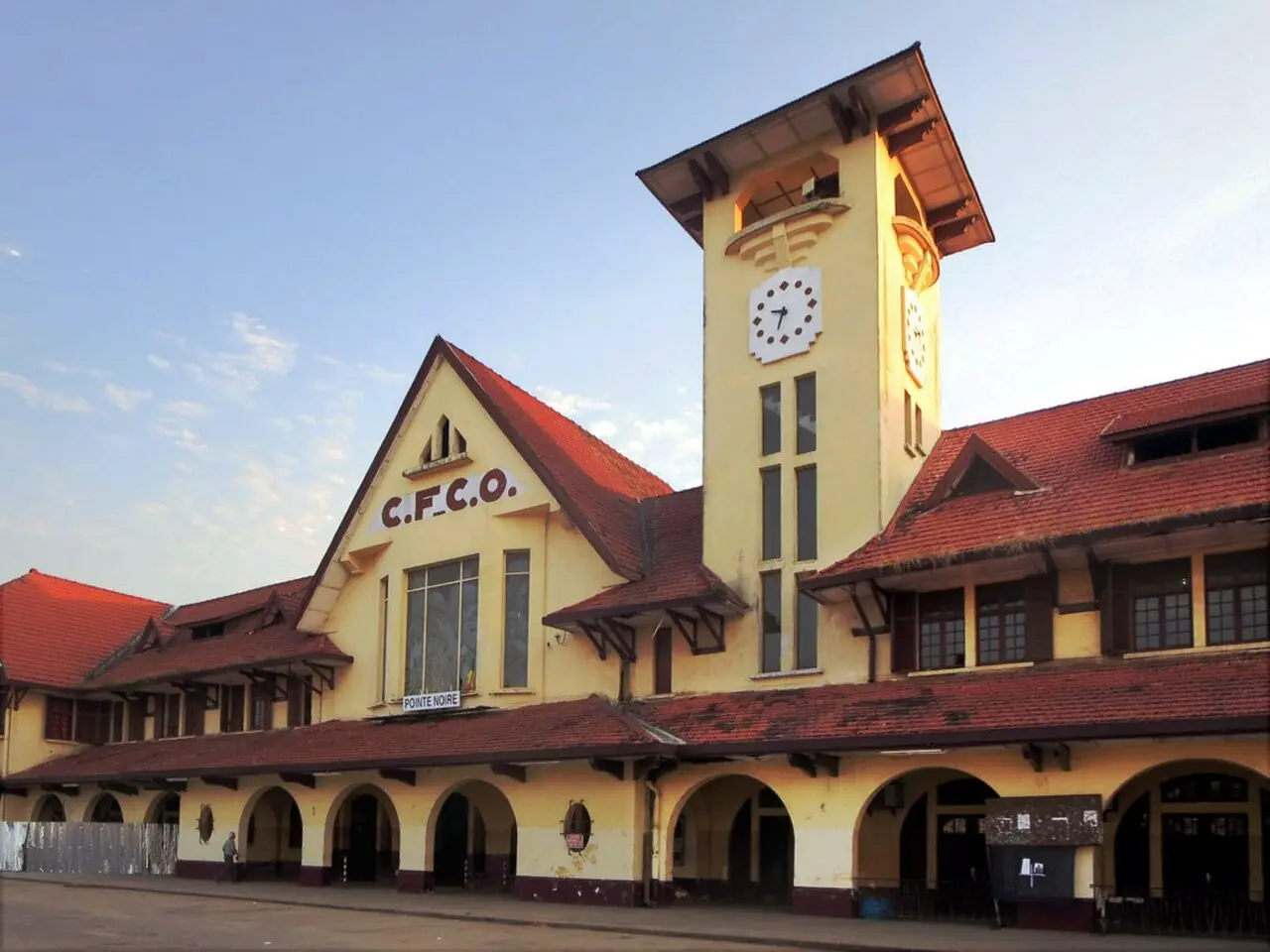 Photo: David Stanley from Nanaimo, Canada · CC BY 2.0
Published by Adama Doumbia, founder of Afrique Unie · updated 28 November 2026 · our method and sources
Why visit Pointe-Noire?
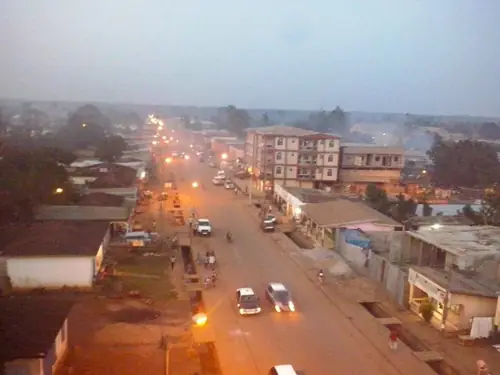
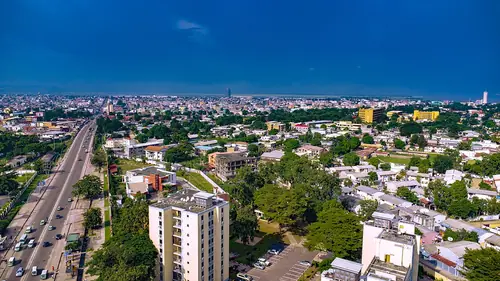
Pointe-Noire is the Congolese city that looks out to sea. The country's economic capital, it lives to the rhythm of offshore oil and its deep-water port, yet it keeps a surprisingly relaxed seaside character. The streets of the centre are laid out in straight lines, the air smells of salt, and weekends are happily spent on the sand, among families, expats and fishermen.
Its history is closely bound up with the Congo-Ocean Railway, built between the wars at the cost of a great many lives among forced labourers, to link Brazzaville with the Atlantic. Pointe-Noire station, an elegantly designed colonial building, recalls that era. The city centre, Saint-Pierre Cathedral and the Grand Marché give a good sense of everyday life, while working-class districts such as Tié-Tié stay lively until late at night.
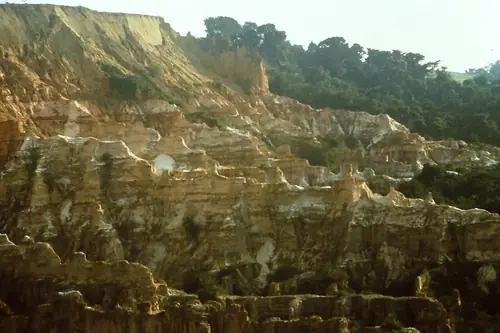
The city is also the gateway to the southern coast. Some twenty kilometres to the north, the Diosso Gorges and the site of Loango tell the story of the old coastal kingdom and the Atlantic slave trade. Further afield, lagoons, mangroves and deserted beaches invite escapes, provided you have a suitable vehicle and someone who knows the tracks.
Things to do in Pointe-Noire: 6 ideas
- 01Côte SauvageWalk by day along the great wave-battered beach and watch the fishermen bring in their pirogues, without going beyond the old wharf to the south, where France advises against walking at any time.
- 02Congo-Ocean Railway stationAdmire the façade of this historic station, a witness to the tragic construction of the railway line.
- 03Grand MarchéLose yourself here in the morning, among smoked fish, wax-print fabrics and women selling chikwangue.
- 04Diosso GorgesTake the trip to the red cliffs and the museum of the Kingdom of Loango, half an hour's drive away.
- 05LoangoPause for reflection at the former embarkation point for captives, where a memorial recalls the slave trade.
- 06Sunset on a terraceEnd the day facing the Atlantic, on a waterfront terrace, with a fish skewer.
Where to stay in Pointe-Noire
The city centre and the seafront, around Avenue Charles de Gaulle and the Côte Sauvage, have most of the hotels, restaurants and services, in a fairly cosmopolitan atmosphere; France says crime is limited there, but advises staying alert on the seafront and at night. The area near the beach has residences with ocean views, ideal for making the most of the evenings. Districts such as Tié-Tié and Loandjili are more working-class and lively, interesting to explore with a companion. For a quiet stay, look for a guesthouse near the coast rather than a business hotel in the centre.
See places to stay in Pointe-Noire
Frequently asked questions
How many days should I spend in Pointe-Noire?
Two to three days let you see the centre, the Congo-Océan railway station, the Grand Marché and the Côte Sauvage, then make a trip to the Diosso gorges and the Loango site, north of the city. It is also a handy base for the Kouilou coast and forests.
Is Pointe-Noire safe?
According to France, crime is limited in the city centre, but you should stay alert on the seafront, in outlying districts and at night, when traffic is dangerous. Walking on the beach beyond the old wharf, heading south, is advised against at any time of day or night. Avoid going out alone at night in outlying areas.
Can you swim in Pointe-Noire?
Yes, but with great care: the ocean is dangerous in places, especially along the Côte Sauvage, and there are no lifeguards. Swim only where regulars do, never alone, and keep a close eye on children.
How do I get from Brazzaville to Pointe-Noire?
Flying is the simplest option, at about an hour. By road, France recommends travelling only by day, in a convoy of at least two vehicles, and not using intercity public transport; the Mayombe crossing is tricky in the rain. Carry your original passport with its visa for checkpoints.
What can I see around Pointe-Noire in a day?
The Diosso gorges, red cliffs carved by erosion, and Loango, a former slave-trade port and memorial site, are easy to combine north of the city, less than an hour's drive away. Leave early to catch the light on the cliffs, and be back before dark.
 Republic of the Congo