 AfriqueUnie
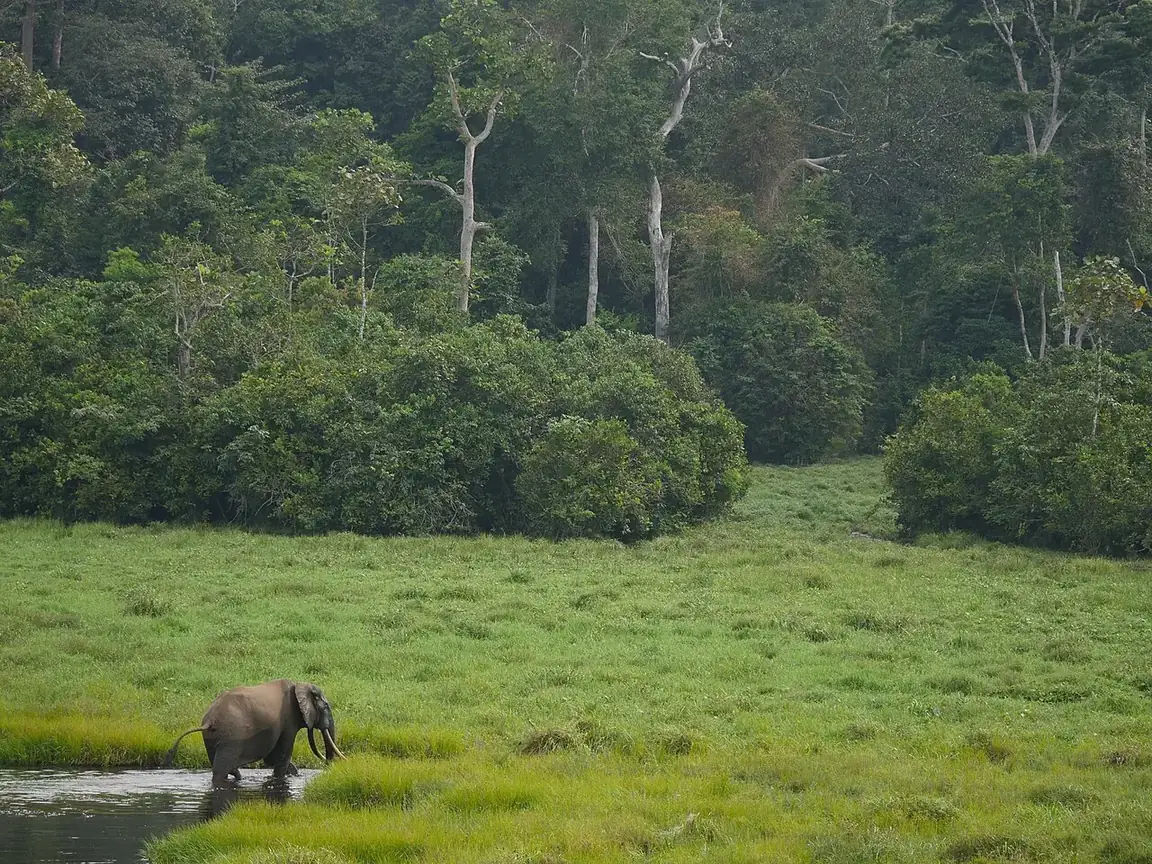 Photo: Matt Muir · CC BY 4.0
Published by Adama Doumbia, founder of Afrique Unie · updated 28 November 2026 · our method and sources
Why go
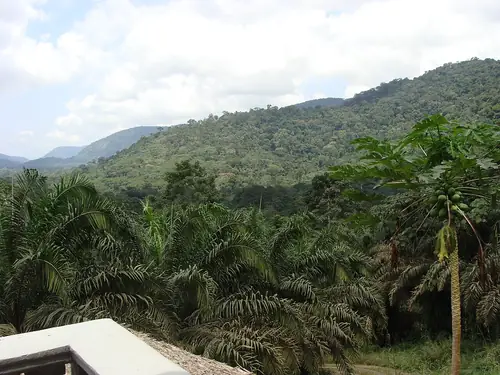
In northern Congo, Nouabalé-Ndoki National Park protects one of the least disturbed blocks of tropical forest on the planet. It is part of the Sangha Trinational, a cross-border complex shared with Cameroon and the Central African Republic and inscribed as a UNESCO World Heritage Site. Some sectors have never been logged or permanently inhabited, and researchers have observed animals here that seemed never to have encountered humans.
The park is famous for its bais, especially Mbeli, where researchers have spent decades following the gorillas that come to feed on aquatic plants. From a viewing platform you can watch whole families, forest elephants, sitatungas and, with luck, chimpanzees at the forest edge. Meeting the region's Indigenous communities, whose knowledge of the forest often guides the trackers, adds a precious human dimension.
Getting there
Access is usually by air to Ouesso in the north, then by boat along the Sangha to Bomassa, the park headquarters, a journey of several hours on the river. Some operators arrange direct charters. The logistics are complex: everything is booked through the park or a specialist agency.
Frequently asked questions
Is it safe to visit Nouabalé-Ndoki National Park?
No, official advice is against it: Bomassa, the park headquarters and the starting point for visits, lies about two kilometres from the Central African Republic border, inside the 30-kilometre strip that France Diplomatie advises against except for essential travel, because of the situation in the Central African Republic and the presence of criminals, poachers and traffickers. The UK also advises against all travel within 50 kilometres of that border in Likouala, the department covering the eastern part of the park. Do not plan a trip without an essential reason, check the latest advice and make sure your insurance covers you in this area.
How do you get to Nouabalé-Ndoki National Park?
Access is usually by air to Ouesso, then by boat up the Sangha River to Bomassa, the park headquarters, a journey of several hours. Some operators run direct charters. Bomassa lies in the border area that France Diplomatie advises against except for essential travel (see above). Logistics are complex, so everything is booked through the park or a specialist agency, several months ahead.
What can you see at Mbeli Bai?
From a viewing platform you can watch gorilla families feeding on aquatic plants, forest elephants, sitatungas and, with luck, chimpanzees at the forest edge. Researchers have been studying the gorillas here for decades. Patience is essential, as you may wait hours before anything appears.
How much time do you need for Nouabalé-Ndoki?
Allow at least four days on site, not counting travel, which can take a full day each way. Comfort is basic, the heat humid and insects plentiful. Listen to your trackers, as their instructions to stay silent are essential in the forest.
What health precautions should you take for Nouabalé-Ndoki?
Yellow fever vaccination is compulsory to enter Congo, and malaria is present, so see your doctor well before departure. Medical facilities are very limited in the north of the country, so insurance covering medical evacuation is essential. Bring insect repellent, light long-sleeved clothing, a head torch and a basic first-aid kit.
 Angola
 Cameroon
 Equatorial Guinea