AfriqueUnie
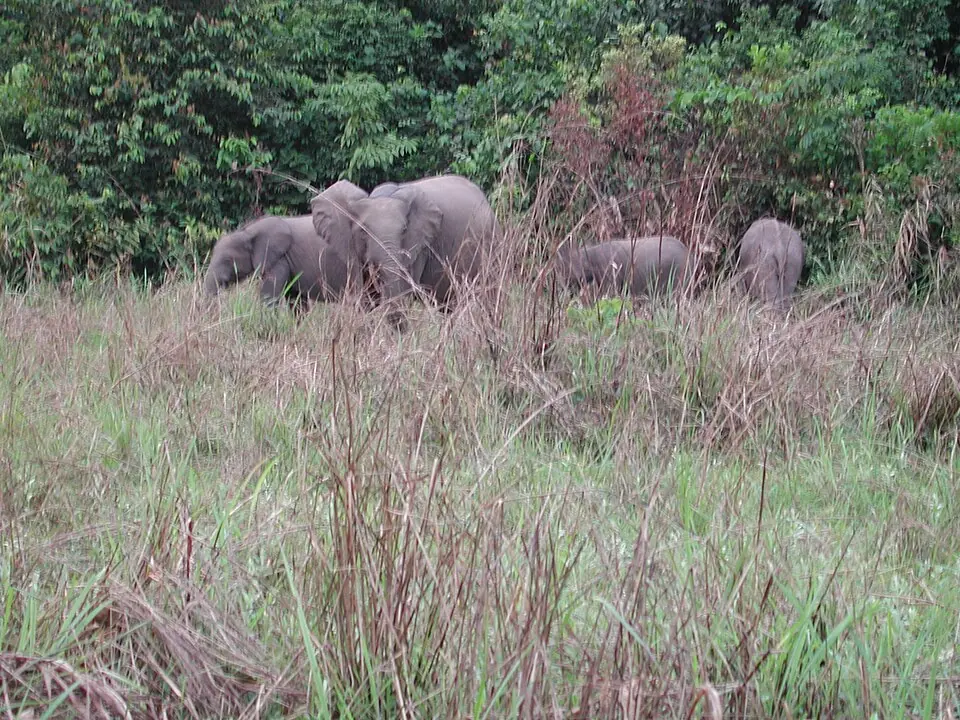 Photo: (c) John P Friel, some rights reserved (CC BY) · CC BY 4.0
Published by Adama Doumbia, founder of Afrique Unie · updated 28 November 2026 · our method and sources
Daily budget
These are rough figures per person per day, excluding the international flight, visa and vaccines. They cover accommodation (two people sharing a room), meals, local transport and a few visits.
On a tight budget, allow roughly €50 to €90, staying in simple small hotels, eating at neighbourhood restaurants and getting around by taxi. For a comfortable trip, allow about €130 to €220, with a good hotel in Brazzaville or Pointe-Noire, restaurants and a car with driver. At the top end, allow €300 or more.
These figures do not cover stays in the northern parks (Odzala-Kokoua, Nouabalé-Ndoki): they are remote and generally visited on multi-day packages with transfers and sometimes private flights, at a much higher price. Brazzaville and Pointe-Noire are expensive for accommodation.
What is expensive and what costs next to nothing
- Visa: Paid online before you submit your file. For a business visa, the French foreign ministry gives €55 for 15 days and €110 for three months; check the tourist fee with the embassy.
- Parks and gorillas: The biggest cost if you go north: access, guides, accommodation and gorilla viewing are paid as a package.
- Accommodation: International-standard hotels in Brazzaville and Pointe-Noire are expensive; simple places remain affordable.
- Local meals: Saka-saka, chicken moambe or grilled fish at a neighbourhood restaurant cost a few euros.
- Art and crafts: Antiques and traditional objects bought locally are subject to duties, and proof of payment is demanded when you leave. Buying ivory is prohibited.
Money: Central African CFA francs, cash and mobile payment
The currency is the Central African CFA franc (XAF), pegged to the euro at a fixed rate: €1 is worth 655.957 CFA francs. Despite the same value, it is not used in West Africa (the XOF zone), and vice versa.
According to the French foreign ministry, currency exchange is only permitted at exchange offices and cash machines: avoid street changers. Cash machines are mainly found in Brazzaville and Pointe-Noire; elsewhere, carry cash. Cards are mainly used in large hotels and some restaurants and supermarkets in the two main cities.
Mobile payment is widely used, with the two operators MTN and Airtel. It requires a local SIM card registered with your passport; for a short stay, cash is enough.
Tipping is not compulsory. A small amount for a guide or driver is appreciated.
Visa and passport
Information checked in November 2026. These rules can change: read the official sources again before you travel.
French and British nationals, and in principle other EU, Swiss and Canadian citizens, must obtain a visa before departure. According to the French foreign ministry, no visas are issued on arrival. You fill in and pay for the application online (on the GIRAFE platform), then submit your file to a Congolese embassy. Visas are granted for 15 to 91 days; processing generally takes a week, sometimes longer.
Documents required, which may also be checked on entry: a passport valid for at least six months from the date of travel, a return ticket, proof of repatriation insurance, a confirmed and paid hotel booking (or a certificate of accommodation endorsed by the Congolese authorities), and your international vaccination certificate. The UK government only requires British passports to be valid for the whole stay; French travellers should stick to six months. An electronic visa has been announced, with no confirmed official timetable that we know of.
Ebola: the UK government warns that travellers arriving in the Republic of Congo may face enhanced health screening because of the outbreak centred on neighbouring DR Congo.
Safety: the French foreign ministry advises against all but essential travel within 30 km of the Central African Republic border and within 10 km of the southern borders with Cabinda (Angola) and DR Congo. The rest of the country is under heightened vigilance, particularly the Pool department, where journeys should be made by day on the N1 road. The UK government advises against all travel within 50 km of the Central African Republic border in Likouala region. Crime is considered low in central Brazzaville; in Pointe-Noire, walking on the beach south of the old wharf is advised against at any time.
Health and vaccinations
The yellow fever vaccine is compulsory for entry to the Republic of Congo from the age of 9 months. It must be given at least ten days before departure at an approved vaccination centre, and the certificate is checked on arrival.
Malaria is present all year throughout the country. Prevention combines protection against mosquito bites and preventive medication prescribed by a doctor. If you develop a fever during your stay or after you return, seek medical advice straight away.
The French foreign ministry also warns of cholera and mpox: wash your hands, drink sealed bottled water and eat well-cooked food. Check your routine vaccines and ask about hepatitis A, typhoid and rabies. Good medical care is rare outside the two main cities: repatriation insurance, already required for the visa, is essential.
Before you go: the checklist
- Passport: Valid for at least six months from the date of travel.
- Visa: Apply and pay online, then submit your file to a Congolese embassy at least two to three weeks before you leave. No visa on arrival.
- Yellow fever: International vaccination certificate, with the vaccine given at least ten days beforehand.
- Insurance: Proof of repatriation insurance, required for the visa.
- Official sources: Read the Republic of Congo page on gov.uk/foreign-travel-advice and the Congo page of « Conseils aux voyageurs » on diplomatie.gouv.fr: border areas, notably with the Central African Republic, are advised against.
- Bookings: A confirmed and paid hotel booking and a return ticket: they may be checked on entry.