AfriqueUnie
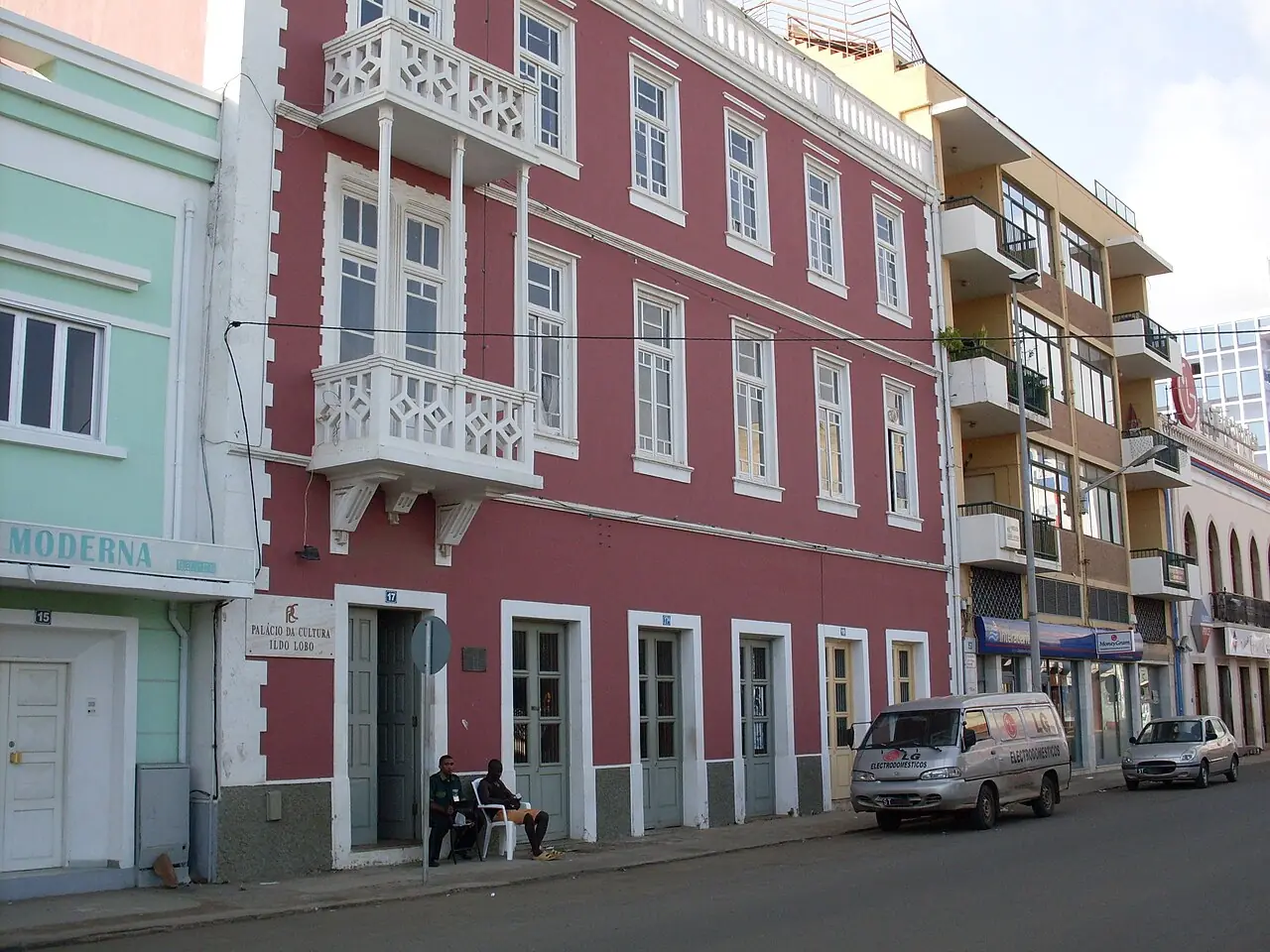 Photo: Xandu · Public domain
Published by Adama Doumbia, founder of Afrique Unie · updated 28 November 2026 · our method and sources
Why visit Praia?
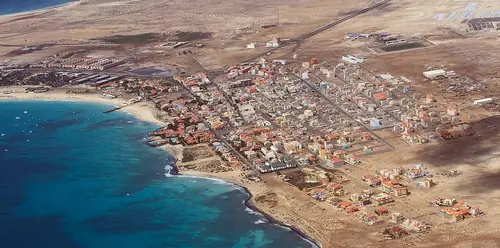
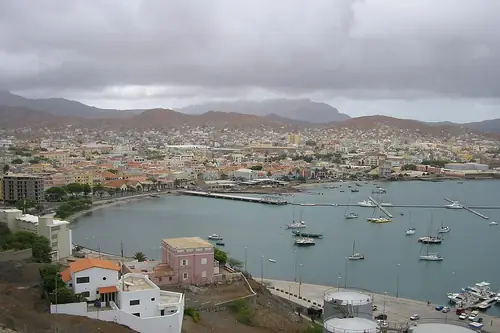
Cape Verde's capital, Praia, spreads across the south of Santiago, the largest and most African of the islands. The city is organised around the Plateau, a promontory that holds the historic centre, the government buildings and the pedestrian streets. Around it, neighbourhoods have grown up over the hills and along the coast, between town beaches and residential areas.
The Plateau keeps its colourful colonial houses, Alexandre Albuquerque Square, the church of Nossa Senhora da Graça and the presidential palace. It's the place for a late-morning stroll between cafés and little shops. Below, the vast, lively Sucupira market is the ideal spot to feel the city's energy: clothes, spices, fruit, music and market women up from the villages.
Praia is also the capital of funaná and batuque, musical styles born on Santiago, and a perfect base for exploring the island: Cidade Velha a few kilometres away, Serra Malagueta Natural Park, the villages of the interior and the beach at Tarrafal in the north.
Things to do in Praia: 6 ideas
- 01Stroll around the PlateauWalk the pedestrian street and squares of the historic centre, stopping at a café for a Portuguese-style espresso.
- 02Dive into Sucupira marketDiscover this big popular market, with its stalls of fabrics, fruit and produce from all over the archipelago.
- 03Visit Cidade VelhaReach the first colonial town in the tropics, a UNESCO World Heritage Site, in about twenty minutes.
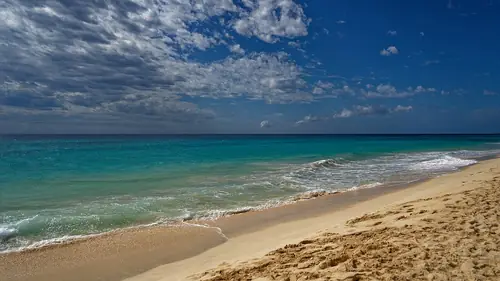
- 04Swim at Quebra CanelaEnjoy this small town beach, popular with locals in the late afternoon.
- 05Listen to funanáIn the evening, find a bar or club where the accordion and the ferrinho get the locals dancing.
- 06Explore inland SantiagoHead for Assomada, Serra Malagueta and Tarrafal to discover mountains, markets and beaches, with a Cape Verdean guide for mountain hikes, as France's foreign ministry recommends.
Where to stay in Praia
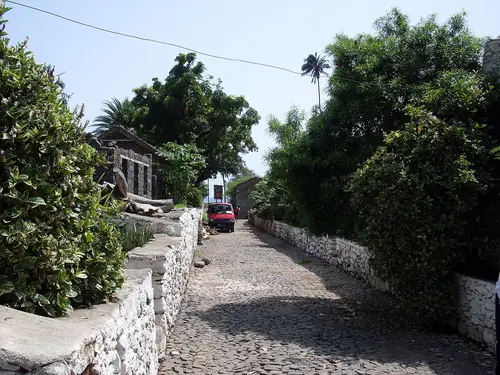
The Plateau is handy for staying in the heart of history, with hotels and apartments in old houses. The Prainha district, near the sea, has a more residential, seaside feel, with several hotels and restaurants. Achada Santo António, a modern district, offers newer accommodation and restaurants. For more peace and quiet, some choose to stay in Cidade Velha.
Frequently asked questions
Is Praia safe?
All of Cape Verde is under heightened vigilance, and France's foreign ministry reports a rise in violent armed robberies, by day and night, in urban centres, notably Praia. Do not walk around at night and take a taxi instead; by day, avoid walking alone outside the busy parts of the centre. Do not wear jewellery or show valuables, and do not resist if someone tries to rob you.
How do you get from Praia airport to the centre?
Nelson Mandela Airport is a few kilometres from the Plateau, about fifteen minutes by taxi. Take an authorised taxi from the airport rank or ask your accommodation to arrange a pick-up, especially for a night arrival.
How many days should you spend in Praia and on Santiago?
One to two days are enough for the Plateau, Sucupira market and Cidade Velha. Allow three to four more days for the interior of Santiago, Assomada, Serra Malagueta and Tarrafal. For mountain hikes, France's foreign ministry recommends going with a Cape Verdean guide.
How do you visit Cidade Velha from Praia?
Cidade Velha, a UNESCO World Heritage Site, is about ten kilometres to the west, around twenty minutes by authorised taxi. Allow half a day for the Royal Fort of São Filipe, Rua Banana, the pillory and the cathedral ruins, ideally in the morning.
When is the best time to visit Praia?
Cape Verde can be visited all year thanks to its dry, sunny climate. The rainy season, from August to October, brings only a few days of rain, but they can cause landslides and flooding. From December to March, dust haze from the Sahara sometimes clouds the sky.
 Cape Verde