AfriqueUnie
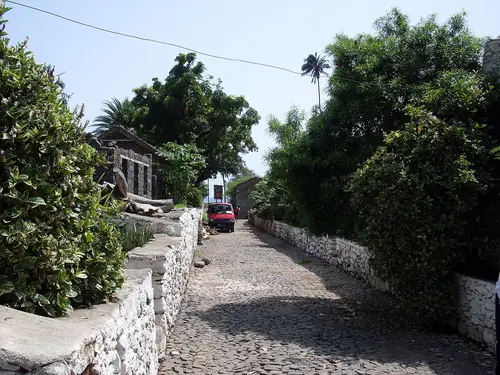
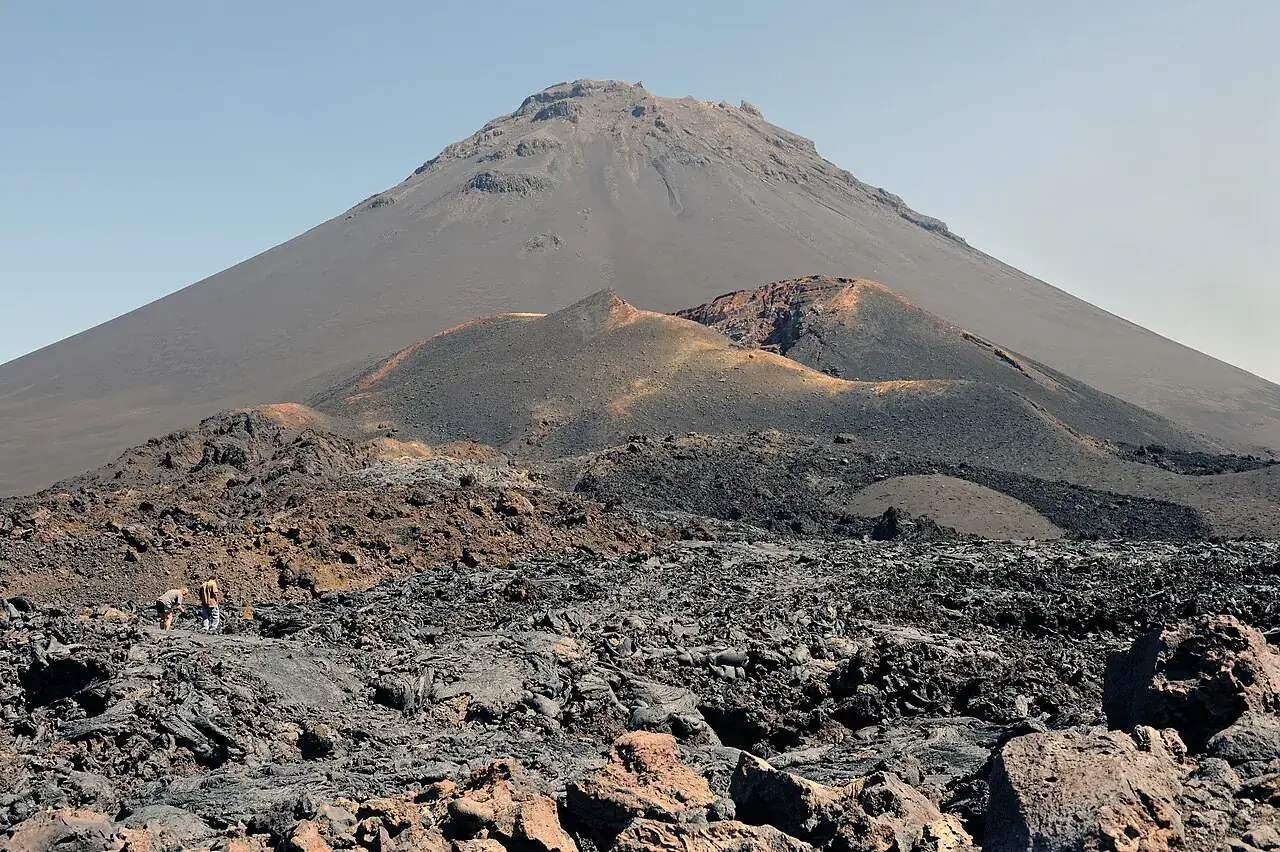 Photo: Cayambe · CC BY-SA 3.0
Published by Adama Doumbia, founder of Afrique Unie · updated 28 November 2026 · our method and sources
Why go
The island of Fogo is a volcano rising out of the ocean. Its summit, Pico do Fogo, reaches 2,829 metres, the highest point in Cape Verde. At the foot of the cone, a vast caldera, Chã das Caldeiras, shelters villages where vines, apple trees and beans are grown on ash soils, in a strikingly mineral landscape. The volcano is active: its last eruption, in 2014–2015, destroyed much of the villages of Portela and Bangaeira.
Despite this, the inhabitants have returned, rebuilding houses and wine cellars. Fogo wine, produced in the caldera, has a fine reputation. People come here to climb the summit, walk across the recent lava flows, sleep in a guesthouse in the caldera and discover the culture of a community that lives at the foot of the fire. São Filipe, the island's main town, has handsome colonial houses known as sobrados.
Getting there
Fogo is reached by plane or ferry from Praia, on Santiago. From São Filipe, allow about an hour by road to Chã das Caldeiras, by aluguer or taxi.
Frequently asked questions
How long does it take to climb Pico do Fogo?
Allow five to seven hours there and back from Chã das Caldeiras to reach the 2,829-metre summit, the highest point in Cape Verde. Set off early in the morning to avoid the heat and the clouds. The climb is steep, over ash and loose rock.
Do you need a guide to climb Pico do Fogo?
Yes: the French government, which reports armed robberies outside the towns on Fogo, advises going with someone on mountain excursions on the island, even during the day, preferably a Cape Verdean guide who knows the terrain well. The climb requires a very good level of fitness and is not suitable for children. There are no helicopters in Cape Verde, so an evacuation after a fall can take a very long time.
Is the Fogo volcano dangerous?
It is an active volcano: its last eruption, from November 2014 to February 2015, destroyed most of the villages of Portela and Bangaeira. It is monitored, but ask locally before you climb and follow the authorities' instructions if there is an alert. Avoid the climb in strong winds too.
How do I get to the island of Fogo?
By plane or ferry from Praia, on the island of Santiago. Sea crossings to Fogo and Brava are often disrupted by sea conditions, so build some slack into your plans. From São Filipe, allow about an hour by road to Chã das Caldeiras.
Can you stay overnight in the Fogo caldera?
Yes, guesthouses in Chã das Caldeiras, rebuilt by local people after the 2014-2015 eruption, welcome travellers. Spending a night there lets you start early for the summit and taste the wine produced in the caldera. Bring warm clothes, as nights are cool at altitude.
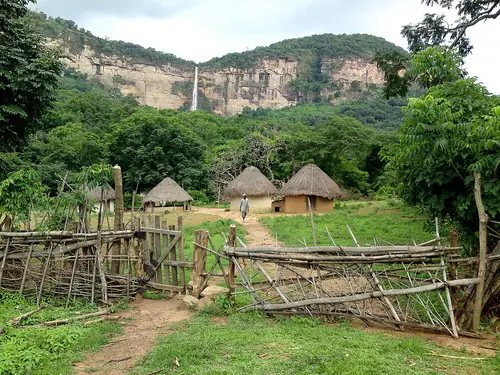
 Guinea
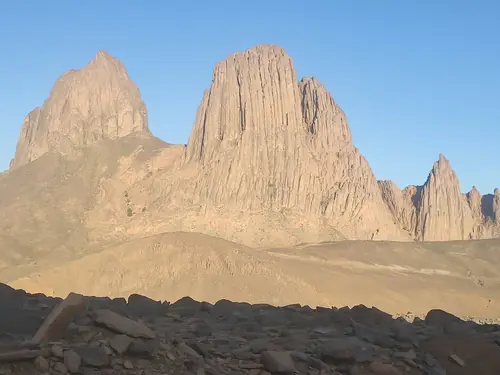
 Algeria
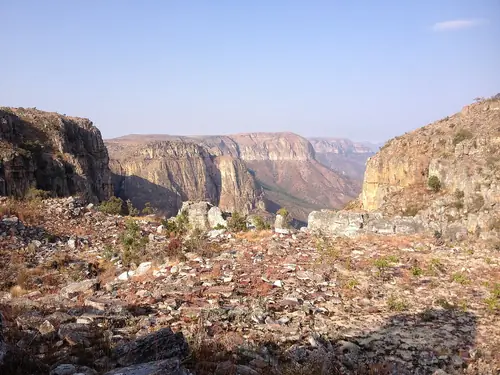
 Angola