 AfriqueUnie
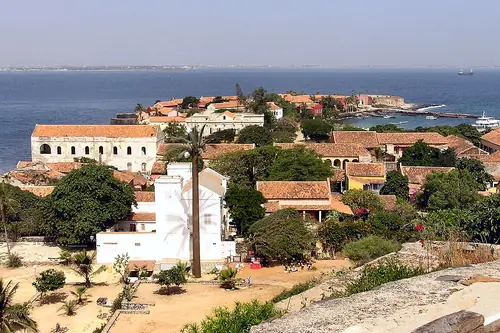
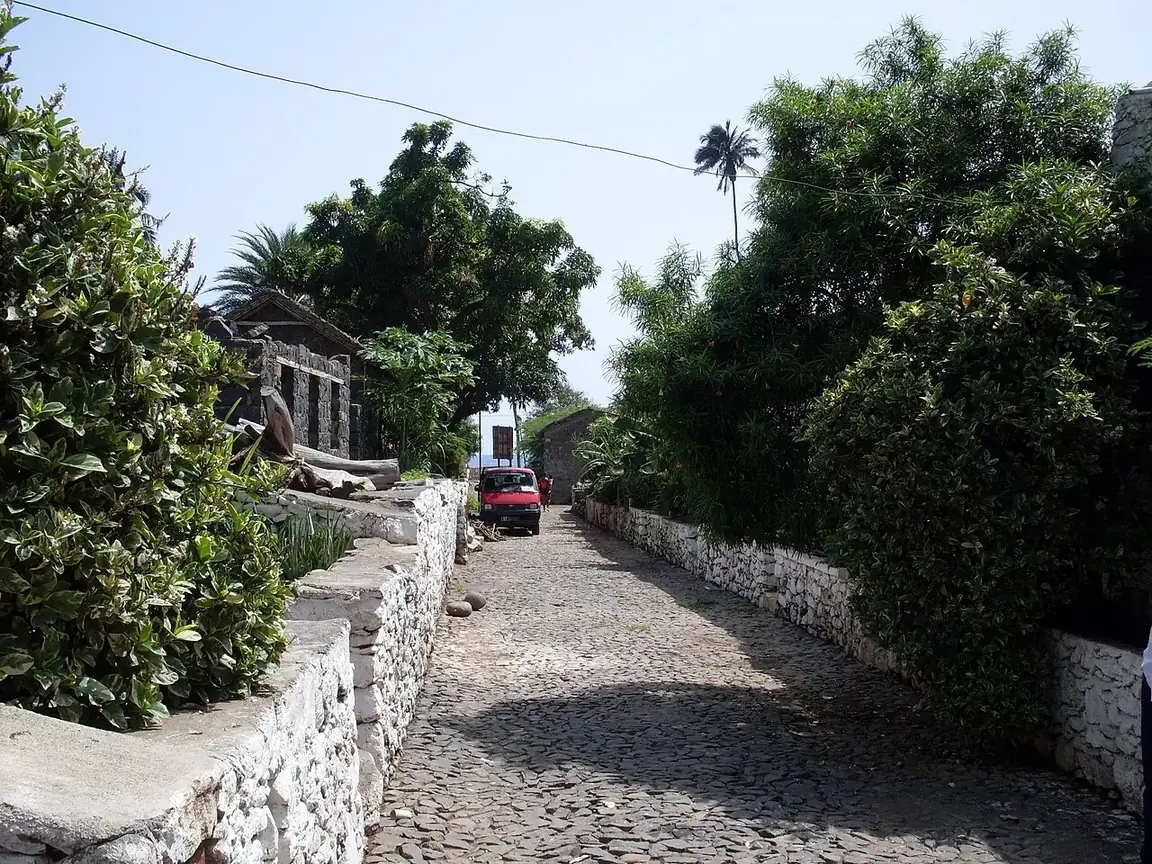 Photo: Xandu · Public domain
Published by Adama Doumbia, founder of Afrique Unie · updated 28 November 2026 · our method and sources
Why go
Some fifteen kilometres from Praia, on the island of Santiago, Cidade Velha is the former Ribeira Grande, founded by the Portuguese in the 15th century. The first European colonial town in the tropics, it was one of the great centres of the Atlantic slave trade. It has been a UNESCO World Heritage Site since 2009.
The town still has its marble pillory on the main square, Rua Banana with its stone houses and thatched roofs, the ruins of the cathedral, the church of Nossa Senhora do Rosário and, on the heights, the Fortaleza Real de São Filipe, which offers a magnificent view over the bay. Today it is a peaceful village at the bottom of a valley of coconut palms and mango trees, where fishermen and residents live at the slow pace of the coast.
Getting there
Cidade Velha is twenty to thirty minutes by road from Praia, by taxi or aluguer. It makes an easy half-day or day trip.
Frequently asked questions
How do I get to Cidade Velha from Praia?
Allow 20 to 30 minutes by road westwards, by taxi or aluguer, the local shared minibus. It makes an easy half-day or day trip. If you are returning in the evening, take a taxi rather than walking.
How long does it take to visit Cidade Velha?
Half a day is enough for the fort, the pillory square, Rua Banana and the churches. Start with the fort in the morning, before the heat, then walk down to the village. Stay for lunch by the sea if you have time.
What is there to see in Cidade Velha?
The marble pillory in the main square, Rua Banana with its thatched stone houses, the Church of Nossa Senhora do Rosário and the ruins of the cathedral. Up on the heights, the Forte Real de São Filipe, built in the late 16th century, has superb views over the bay. A local guide helps you understand the town's role in the slave trade.
Why is Cidade Velha a World Heritage Site?
Founded by the Portuguese around 1462 as Ribeira Grande, it was the first European colonial town in the tropics and a hub of the Atlantic slave trade. It was the capital of the archipelago until the move to Praia in 1770. UNESCO added it to the World Heritage List in 2009.
Is Cidade Velha safe?
Cape Verde is rated a heightened-vigilance country by the French government, which reports a rise in armed robberies, by day and by night, in Praia and on mid-mountain hiking trails on Santiago. Do not wear jewellery or carry visible valuables, do not walk alone away from busy areas and go with someone on mountain excursions. If someone tries to rob you, do not resist.

 Benin
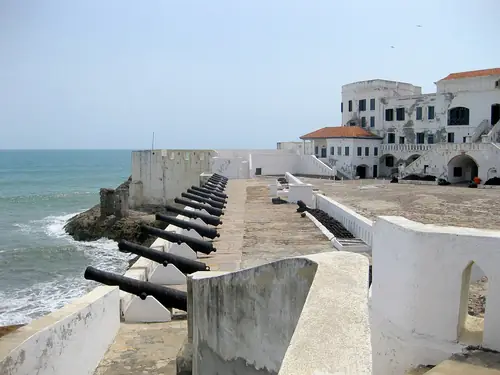
 Ghana
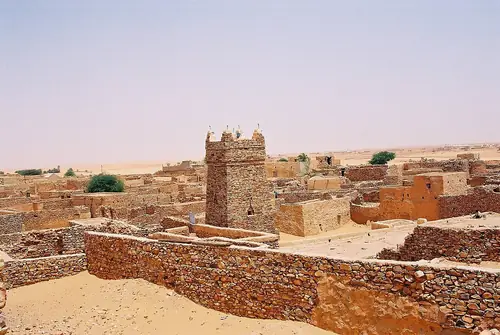
 Mauritania
 Senegal