AfriqueUnie
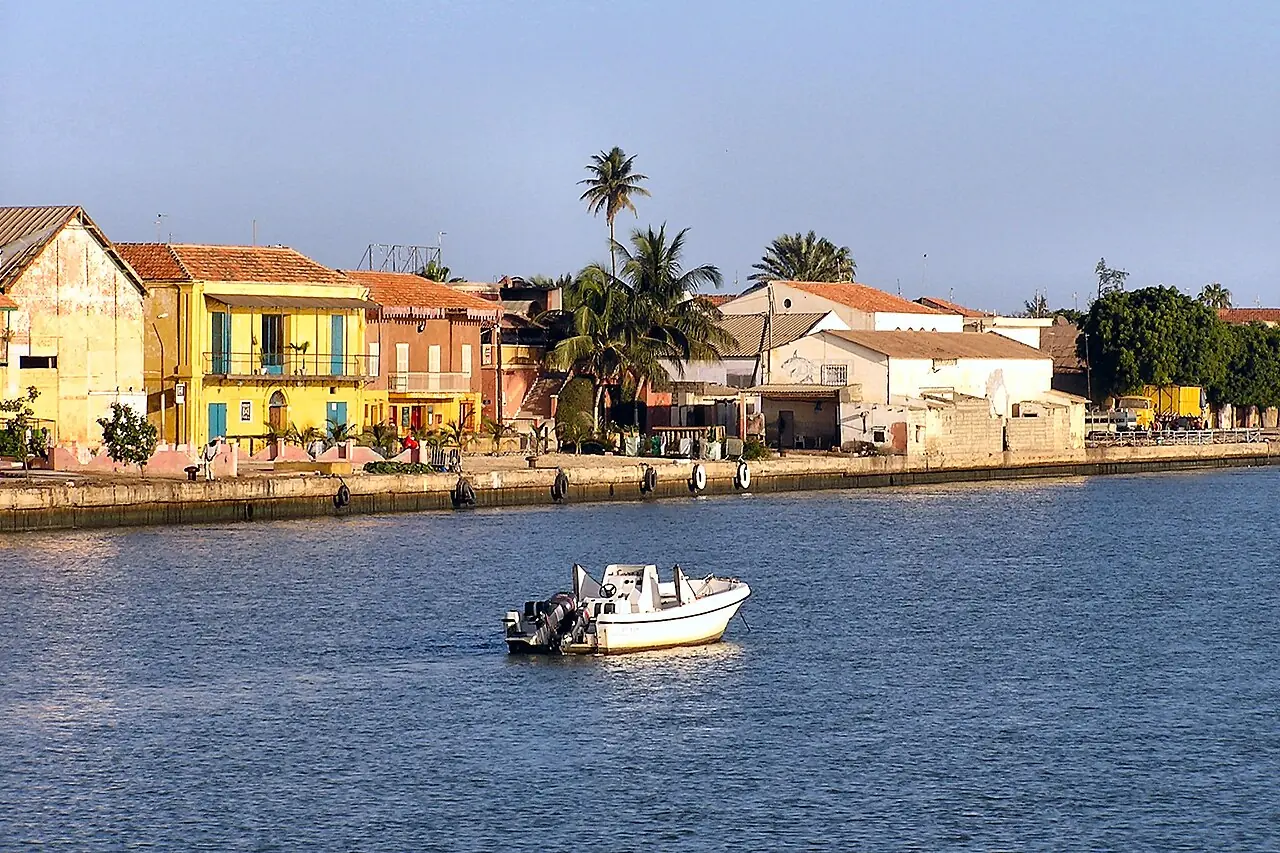 Photo: Manu25 · CC BY-SA 4.0
Published by Adama Doumbia, founder of Afrique Unie · updated 28 November 2026 · our method and sources
Why visit Saint-Louis?
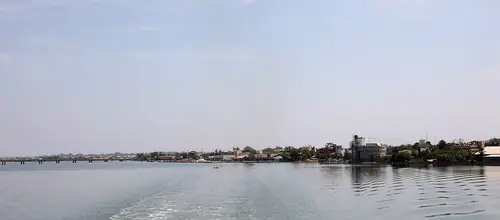
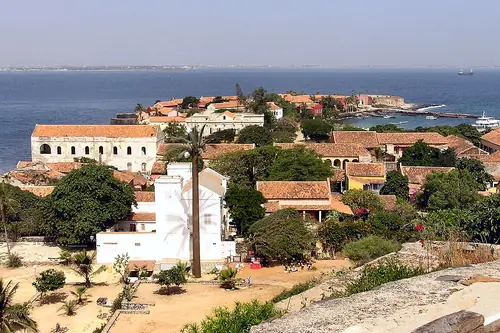
You discover Saint-Louis by crossing the Faidherbe Bridge, a long metal structure spanning the Senegal River. On the other side, the island unrolls a grid of streets lined with houses with wooden balconies, ochre and yellow façades and inner courtyards where laundry hangs out to dry. Founded by the French in the 17th century, it was the capital of French West Africa and then of Senegal until the late 1950s. Its historic centre is a UNESCO World Heritage Site.
But the town is no museum. It moves to the rhythm of Guet Ndar, one of the most impressive fishing quarters in West Africa, set on the Langue de Barbarie between river and ocean: hundreds of painted pirogues, children everywhere, women smoking and drying fish. On the mainland, the Sor district is home to the bus station and the markets.
Saint-Louis is also a town of music and memory: you'll come across reminders of the signares, of the Aéropostale airmail pilots and of Mermoz, and every year the jazz festival wakes up its squares. Finally, it is the natural starting point for Djoudj National Park and the campements of the Langue de Barbarie.
Things to do in Saint-Louis: 6 ideas
- 01The island by calècheAn hour is enough to grasp the layout of the island, the quays, the old governor's residence and the cathedral.
- 02Guet Ndar at dawn or duskWatch the fishing boats head out or come back, preferably with someone from the neighbourhood, and ask before taking photos.
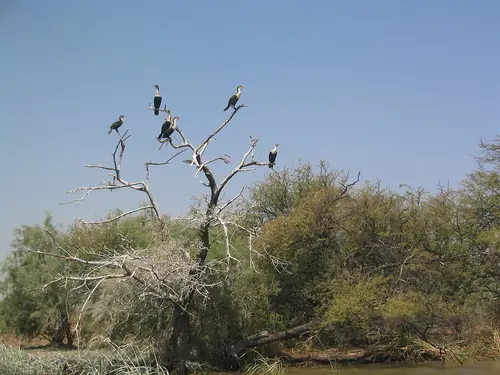
- 03Langue de BarbarieThis narrow spit of sand between river and ocean is home to a national park where seabirds and, depending on the season, turtles nest.
- 04The Faidherbe Bridge at sunsetWalk across it as the sun sinks over the river and the pirogues return home.
- 05Galleries and studiosThe island has several artists' studios and a centre devoted to photography, housed in beautifully restored mansions.
- 06Excursion to DjoudjAbout an hour's drive away, a pirogue trip among the pelicans easily fills half a day.
Where to stay in Saint-Louis
Stay on the island itself to enjoy its atmosphere in the evening: there are plenty of guesthouses and small hotels in restored colonial mansions, with terraces over the river. The north of the island is more residential and quiet, the south livelier, with most of the restaurants. On the Langue de Barbarie, around Hydrobase, campements and oceanfront hotels have a beachy feel. Sor, on the mainland, is practical for early departures but far less charming.
See places to stay in Saint-Louis
Frequently asked questions
When is the best time to visit Saint-Louis?
From November to May the dry season brings pleasant weather, and it is also when Djoudj National Park hosts the most migratory birds. From July to October the rainy season makes some tracks difficult and the air very humid. The jazz festival dates change every year, so check the programme before booking.
Can you swim in Saint-Louis?
Only with great care: along the Grande Côte, down to south of Saint-Louis, the sea is dangerous and often unsupervised, and people have drowned, even strong swimmers. Ask your accommodation for advice on the Langue de Barbarie and never go far from the shore.
How do you get to Djoudj National Park from Saint-Louis?
The park is about an hour's drive to the north-east, partly on tracks; most travellers ask their accommodation or a guide to arrange transport and the boat trip. It is open mainly during the bird season, roughly November to April, and an entrance fee is charged: check locally.
How do you get around Saint-Louis?
The island is easy to explore on foot or by bike, and a horse-drawn carriage can take you round it in an hour. Taxis are plentiful for Sor, the Hydrobase or the Langue de Barbarie: agree the fare before getting in. Avoid intercity journeys at night, which are advised against in Senegal.
Can you take photos in Guet Ndar?
Yes, but tactfully: always ask before photographing people, especially fishermen and women at work. The district is very crowded and lively; a visit is more enjoyable, and better received, with a resident or a local guide.

 Senegal