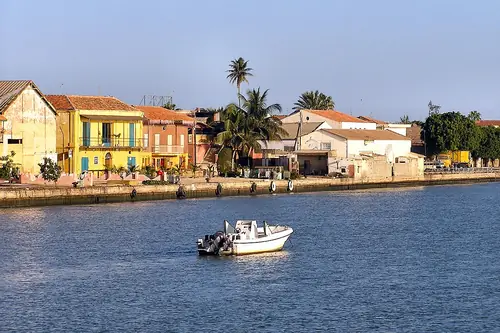
AfriqueUnie
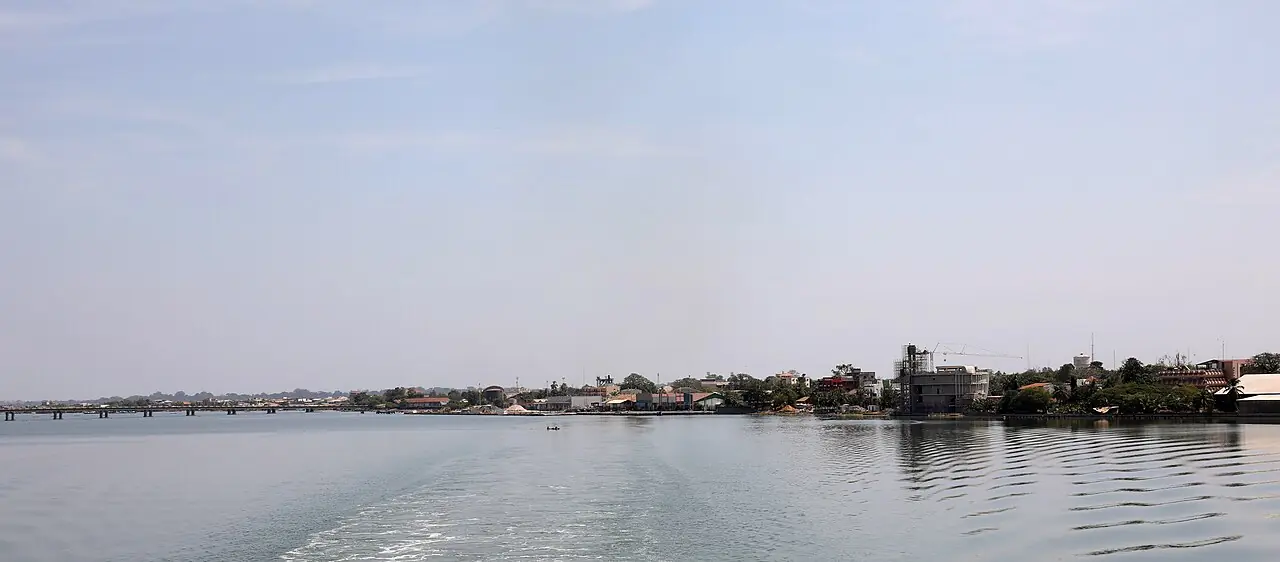 Photo: Christian Pirkl · CC BY-SA 4.0
Published by Adama Doumbia, founder of Afrique Unie · updated 28 November 2026 · our method and sources
Why visit Ziguinchor?
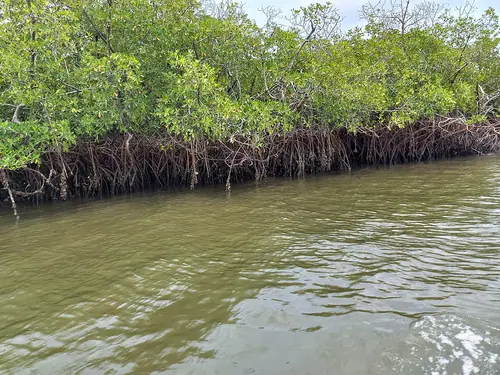
Ziguinchor is the capital of Casamance, the southern region separated from the rest of Senegal by the Gambia. You often arrive at daybreak on the overnight boat from Dakar, sailing up a broad river lined with mangroves. The town itself is peaceful and green, with its big trees, its somewhat faded colonial houses and its port where pirogues and ferries tie up.
Here the atmosphere changes: Jola culture dominates, with its flooded rice paddies, traditional kings, sacred groves and initiation festivals. The landscape is made up of forests, oil palms, bolongs and villages of impluvium houses designed to collect rainwater. The region is as much Christian and animist as it is Muslim, and palm wine is drunk with enthusiasm.
Ziguinchor serves as a base for exploring Lower Casamance: Oussouye and its king, the villages of Enampore and Mlomp, the islands around Carabane, and the long beaches of Cap Skirring, about an hour and a half away by road. After years of conflict the region has largely calmed down, but it is still wise to check the official advice before travelling in the border areas.
Things to do in Ziguinchor: 6 ideas
- 01Saint-Maur marketThe town's main market, for spices, smoked fish, fabrics and the morning buzz.
- 02By pirogue on the riverHead down the Casamance towards the islands and fishing villages, through the mangroves and sometimes alongside dolphins.
- 03Carabane IslandA former French trading post at the mouth of the river, with its ruins, its cemetery and a peaceful beach.
- 04Oussouye and its kingThe king of Oussouye sometimes receives respectful visitors; ask locally about the customs to observe.
- 05Enampore's impluvium houseA large circular mud-brick house arranged around a central basin, to be visited with a guide from the village.
- 06Cap Skirring's beachesLong stretches of fine sand lined with coconut palms, among the most beautiful in the country.
Where to stay in Ziguinchor
In Ziguinchor, the centre near the port and the river has simple hotels, inns and a few places with pools, handy for a night or two. To really experience Casamance, move on to the village campements, often run by the community, in Oussouye, Elinkine or Enampore, or to the eco-lodges and beach hotels of Cap Skirring and Kafountine if you're after some rest.
See places to stay in Ziguinchor
Frequently asked questions
Are Ziguinchor and Casamance safe?
France's foreign ministry places Casamance under heightened vigilance: you can travel there if you stick to the main roads and avoid travelling alone. The area between the coast, the Ziguinchor–Cap Skirring road and the river remains accessible, and the Cap Skirring hotel zone presents no particular danger. The border strips with The Gambia and Guinea-Bissau, away from the main roads, and the classified forests are advised against; never leave the tarmac roads, as some areas still need demining.
How do you get from Dakar to Ziguinchor?
The overnight ferry links Dakar and Ziguinchor in around fifteen hours, with a stop at Carabane Island; it is the most restful option. Domestic flights also operate. By road you have to cross The Gambia and should allow a very long day: leave early, as intercity journeys at night are advised against.
How many days should you spend in Lower Casamance?
Allow at least four to five days: a day in Ziguinchor, then Oussouye and Enampore, a night on Carabane Island and a few beach days at Cap Skirring. A week lets you slow down to the region's pace and stay in village campements.
When should you go to Casamance?
The dry season, from November to June, is the best time, with passable tracks and bearable heat. From July to October rain is heavy and France's foreign ministry advises against using dirt tracks. It is, however, when the rice fields are at their greenest, best seen from the tarmac roads.
How should you respect Jola traditions when visiting?
Sacred groves are reserved for initiates: never enter them, even if they seem open, and follow your guide's instructions. Ask permission before photographing people, ceremonies or shrines. When visiting the king of Oussouye or a village, ask about local customs and any contributions expected.

 Senegal