AfriqueUnie
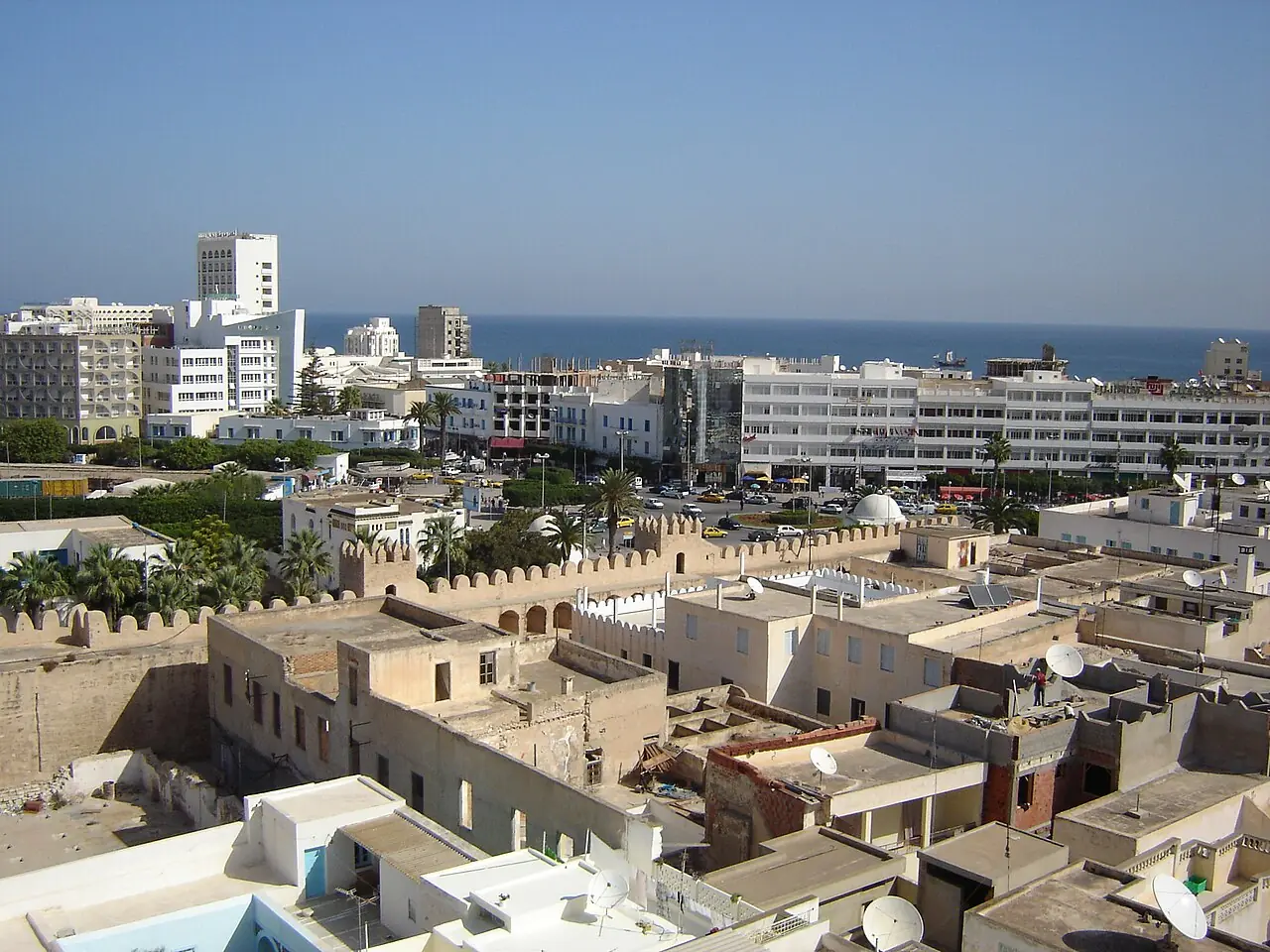 Photo: No machine-readable author provided. BishkekRocks assumed (based on copyright cl · CC BY-SA 3.0
Published by Adama Doumbia, founder of Afrique Unie · updated 28 November 2026 · our method and sources
Why visit Sousse?
Sousse is the main city of the Tunisian Sahel, the coastal region of olive groves stretching between Hammamet and Mahdia. Founded by the Phoenicians as Hadrumetum, it has prospered in every era, and its medina, a UNESCO World Heritage Site, is one of the most beautiful in the country, enclosed by crenellated ramparts that look down over the port.
The star monument is the ribat, an 8th-century fortress-monastery from which warrior monks kept watch over the coast. Its watchtower offers a superb view over the neighbouring Great Mosque, with its plain, massive architecture, and over the white rooftops of the medina. Higher up, the kasbah houses the archaeological museum, rich in mosaics, while the early Christian catacombs bear witness to the ancient Christian presence.
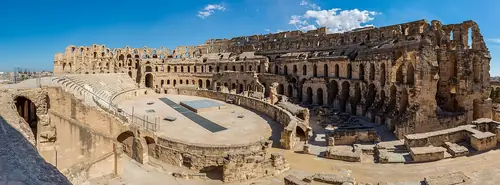
Sousse is also a very lively beach resort. To the north, Boulevard du 14-Janvier and the tourist zone are lined with hotels and beaches all the way to Port El Kantaoui, with its marina and golf courses. It is a handy base for day trips: the amphitheatre of El Jem, the ribat of Monastir, the fishing town of Mahdia and Kairouan are all less than an hour and a half's drive away.
Things to do in Sousse: 6 ideas
- 01The ribat and its towerClimb the narrow stairway to the top of the tower for a panoramic view over the medina and the sea.
- 02The archaeological museum in the kasbahIts Roman mosaics, including marine and Dionysian scenes, are among the finest in the country.
- 03The souks of the medinaLess geared to tourists in their upper reaches, they sell spices, fabrics and copperware at local prices.
- 04The northern beachesLong stretches of fine sand, ideal early in the season or in September, when the water is warm and the crowds thinner.
- 05A trip to MonastirThe ribat of Monastir, Bourguiba's mausoleum and the seafront can be seen in half a day on the Sahel metro.
- 06A day in KairouanThe Maghreb's first holy city, with its Great Mosque and Aghlabid basins, about an hour's drive away.
Where to stay in Sousse
The tourist zone north of the city and Port El Kantaoui are home to the big beachfront club hotels, convenient for a beach holiday. For a more local atmosphere, there are a few guesthouses in or near the medina. The city centre, around Place Farhat Hached and the station, suits independent travellers using the train or louages.
Frequently asked questions
How many days should you spend in Sousse?
One day is enough for the medina, the ribat and the archaeological museum. To enjoy the beach and take trips to El Jem, Monastir, Mahdia or Kairouan, allow four to five days.
Which airport should you use for Sousse?
Monastir Airport is the closest, about twenty kilometres away, and is served by the Sahel metro. Enfidha-Hammamet Airport, further north, is about three quarters of an hour by road. Either way, a taxi or a hotel transfer is simplest with luggage.
Is Sousse safe for tourists?
Sousse is in the heightened-vigilance zone, like most of Tunisia. The area has been hit by terrorist attacks, notably at Port El Kantaoui in 2015: stay alert in busy places, keep informed and follow the authorities' instructions. The usual precautions against theft apply in the medina.
When can you swim in Sousse?
The beach season generally runs from June to September, and the sea is often still pleasant in October. July and August are the hottest and busiest months; June and September offer warm water with fewer people.
How do you visit the El Jem amphitheatre from Sousse?
El Jem is about an hour away by train on the Sfax line, by louage or by car. Leave in the morning to see the amphitheatre before the worst of the heat, then return to Sousse or continue to Mahdia.
 Tunisia