AfriqueUnie
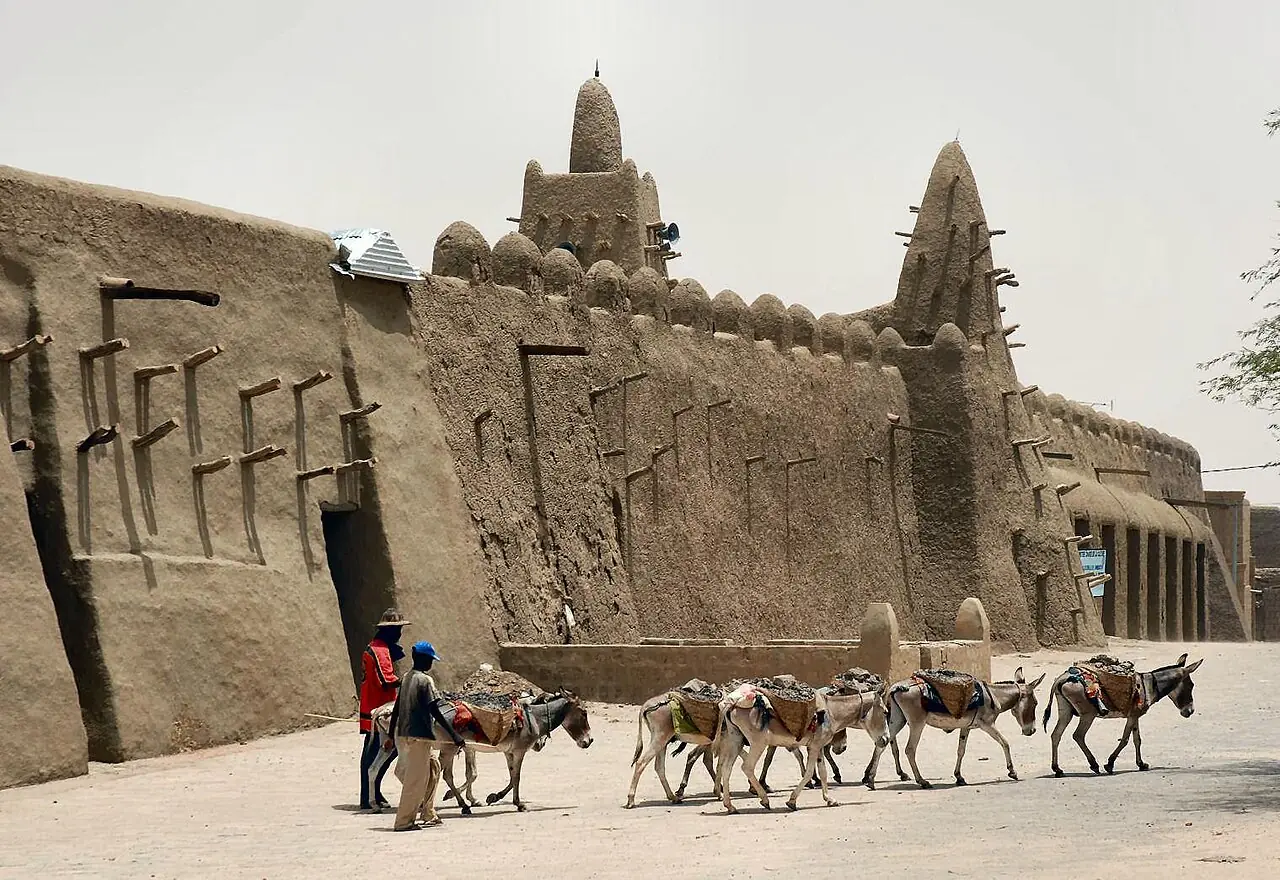 Photo: Flickr Emilio Labrador Santiago de Chile https://www.flickr.com/people/305 · CC BY 2.0
Published by Adama Doumbia, founder of Afrique Unie · updated 28 November 2026 · our method and sources
Why visit Timbuktu?
Timbuktu lies in northern Mali, a region that is now a conflict zone and where every government advises against all travel: going there is out of the question. But this city deserves to be known, if only through books and images, so great is its place in Africa's intellectual history.
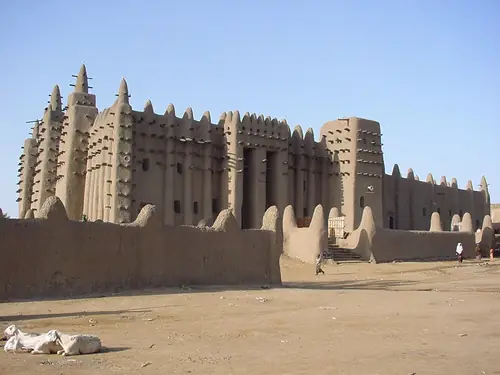
On the edge of the Sahara, not far from the Niger, Timbuktu was a caravan crossroads in the 15th and 16th centuries, where salt from the desert, gold from the south and books from across the Muslim world met. Its three great earthen mosques, Djinguereber, Sankoré and Sidi Yahia, inscribed as a World Heritage Site in 1988, housed scholars who taught law, astronomy, medicine and grammar. Tens of thousands of manuscripts, preserved by families and libraries, bear witness to this golden age.
In 2012 armed groups occupied the city and destroyed several saints' mausoleums, while residents risked their lives to smuggle the manuscripts to safety. The mausoleums have since been rebuilt by local masons, and the destruction led to a conviction by the International Criminal Court, the first ever for a crime against cultural heritage.
Things to do in Timbuktu: 6 ideas
- 01Djinguereber MosqueThe oldest of the great mosques, whose origins date back to the time of Mansa Musa in the 14th century.
- 02Sankoré MosqueA once-renowned centre of learning with a distinctive pyramid-shaped silhouette.
- 03The manuscript librariesFamily collections and the Ahmed Baba Institute, devoted to preserving ancient writings.
- 04The explorers' housesThe homes where 19th-century European travellers such as René Caillié and Heinrich Barth stayed.
- 05The dunes at the city gatesSandy landscapes where the Tuareg long welcomed visitors to their tents.
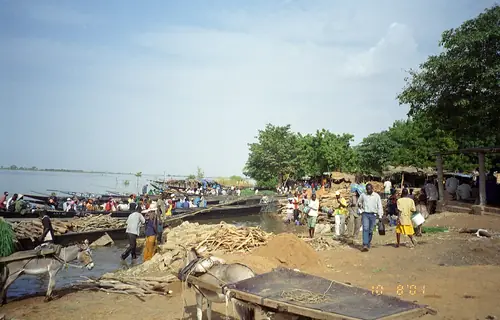
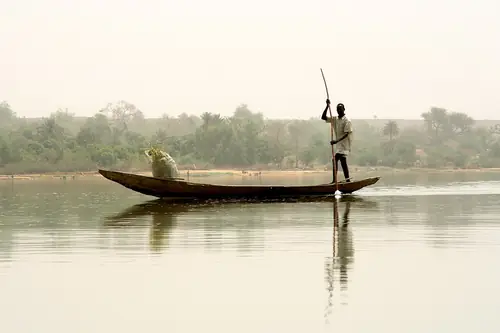
- 06The port of KabaraThe old landing stage on the Niger, the city's vital link with the river.
Where to stay in Timbuktu
The old medina, with its sandy lanes, studded doors and mud-brick houses with ornate façades, forms the historic heart around the great mosques. Newer districts spread out towards the edges. There are currently no conditions that would allow tourist accommodation: any guidance on this would only make sense after a lasting return of security to the north of the country.
 Mali