AfriqueUnie
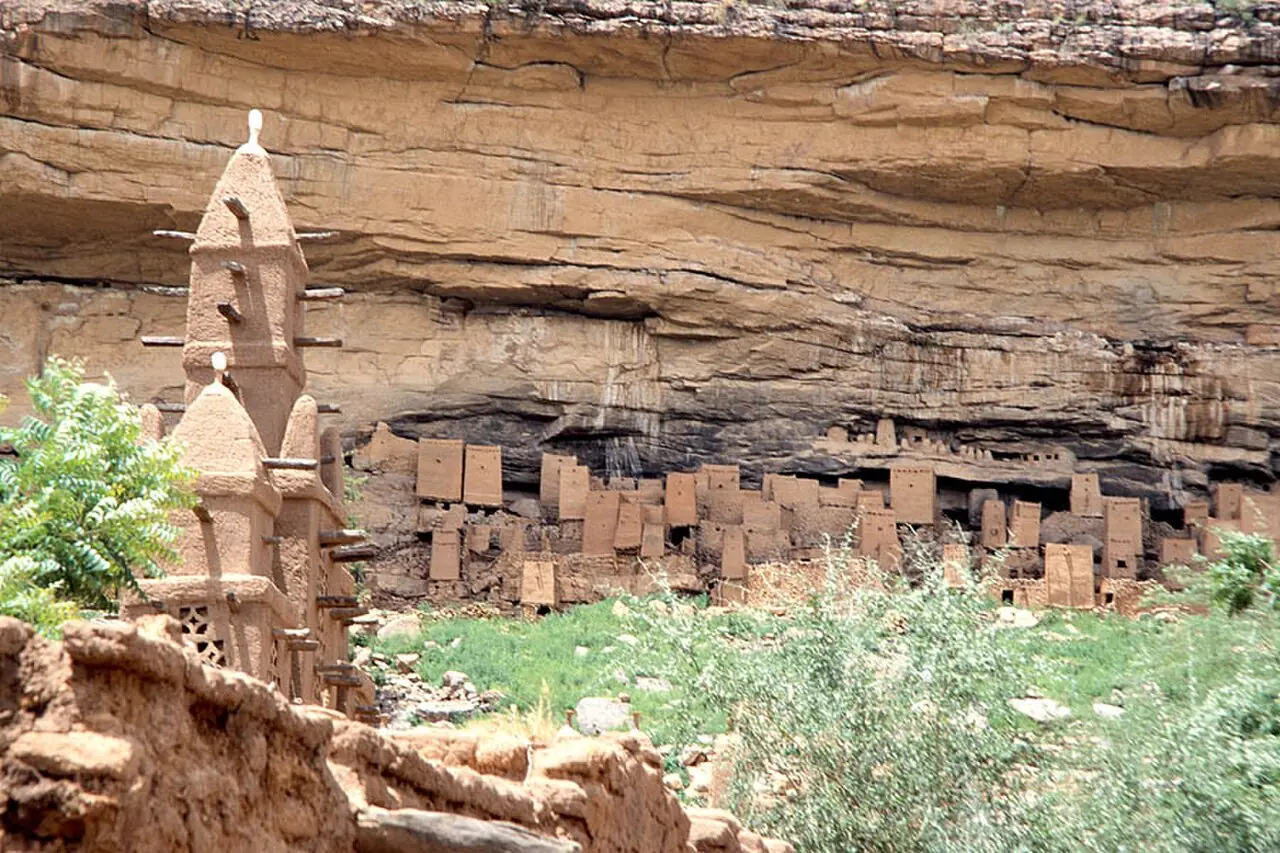 Photo: JialiangGao www.peace-on-earth.org · CC BY-SA 3.0
Published by Adama Doumbia, founder of Afrique Unie · updated 28 November 2026 · our method and sources
Why go
For nearly 150 kilometres, a sandstone escarpment towers over the Séno plain in central Mali. At its foot and clinging to its walls, the Dogon villages form one of Africa's most extraordinary cultural landscapes: flat-roofed mud-brick houses, granaries topped with straw hats, togunas, low-roofed palaver shelters where the men gather, and, higher up in the rock, the old dwellings attributed to the Tellem, the people who occupied the cliff before the Dogon.
Inscribed as a World Heritage Site in 1989 for both its natural and cultural value, Dogon country is also famous for its masks, its funeral dances and a complex cosmology. For several years, sadly, this region has been at the heart of inter-communal violence and armed attacks that have hit the population hard. All travel here is advised against, and local communities have lost most of their tourism income.
Getting there
Before the crisis, you reached the escarpment from Mopti via Bandiagara or Sévaré by four-wheel drive, then walked for several days from village to village with an approved Dogon guide. Today no access can be recommended: you would need to wait for a lasting improvement confirmed by your government.
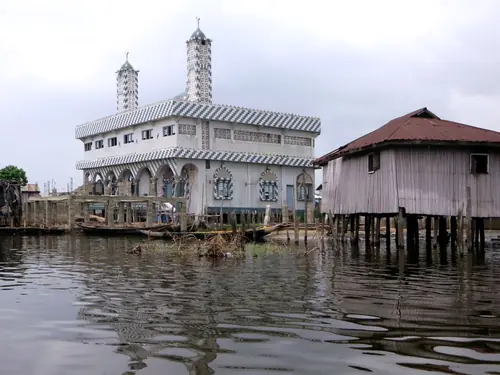
 Benin
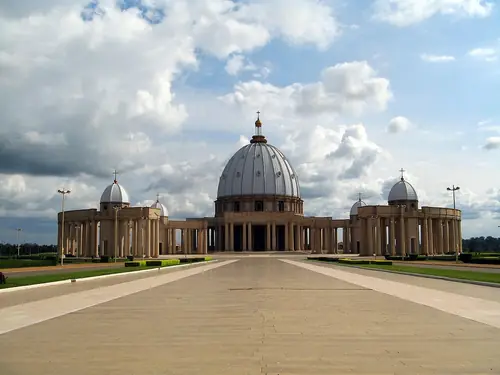
 Côte d'Ivoire
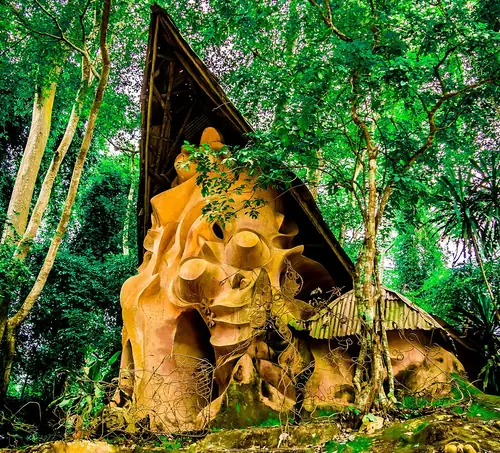
 Nigeria