AfriqueUnie
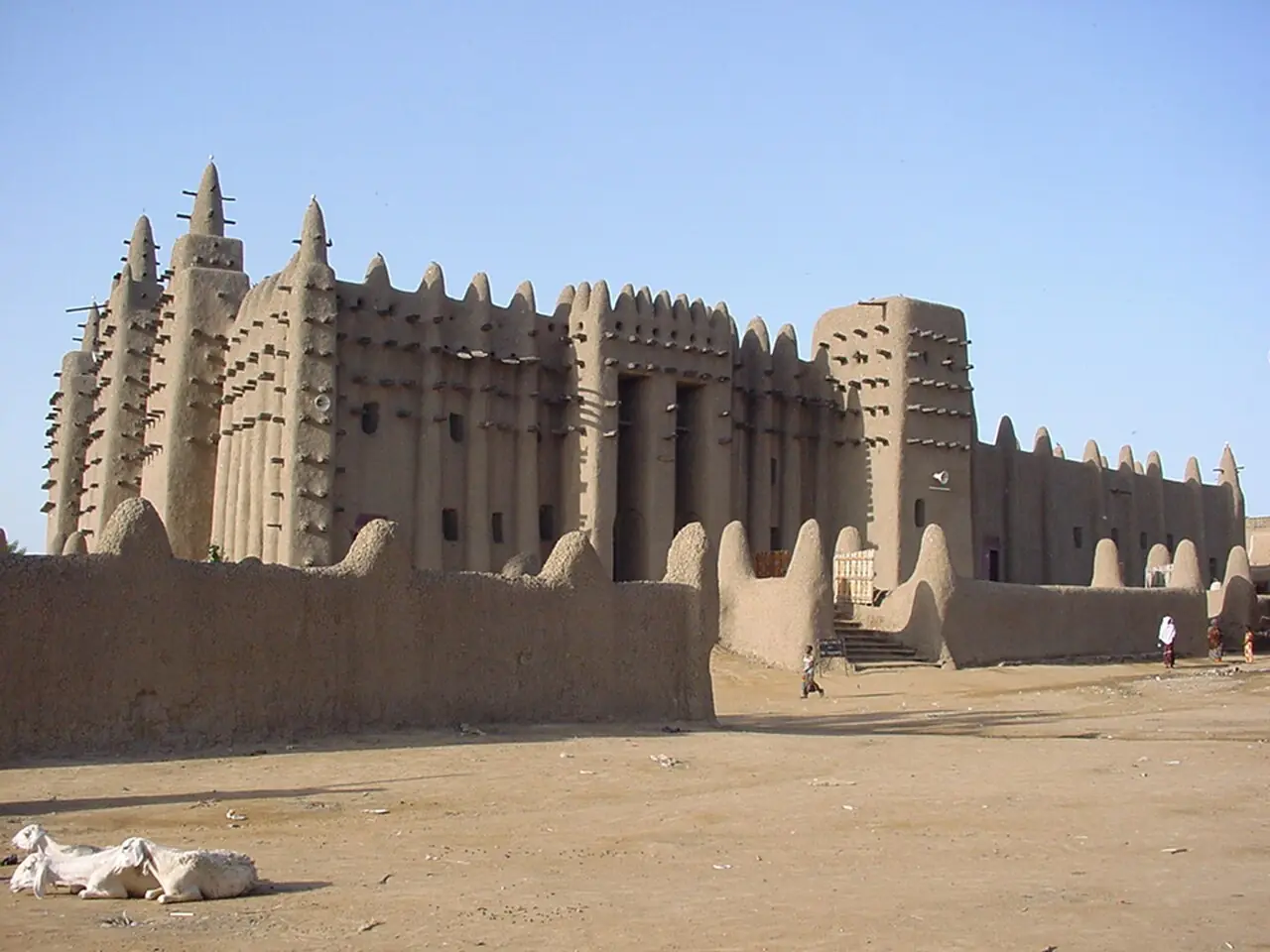 Photo: Andy Gilham · CC BY-SA 3.0
Published by Adama Doumbia, founder of Afrique Unie · updated 28 November 2026 · our method and sources
What the official advice says
The UK Foreign, Commonwealth & Development Office (FCDO) advises against all travel to the whole of Mali due to unpredictable security conditions. British nationals in Mali should leave immediately by commercial flight if they judge it safe to do so, and should not try to leave overland, as terrorist attacks occur along national highways. The FCDO reports blockades by the JNIM group on key routes in southern and western Mali, including around Bamako, targeting fuel trucks, and a high threat of kidnapping across the country, including in the capital.
The French foreign ministry places the whole country in its red zone and formally advises against travel to Mali for any reason, including tourism and family visits. It recommends that French nationals still there plan a temporary departure as soon as possible on the commercial flights still available, and rules out road travel outside Bamako.
Both governments say their ability to help, including with evacuation, is severely limited, especially outside Bamako. The FCDO says anyone who chooses to stay should have a personal emergency plan that does not rely on the UK government.
What it means for insurance
Most travel and assistance policies exclude countries or areas that the foreign ministry formally advises against: medical costs, evacuation and repatriation would then not be covered. The UK government warns that your travel insurance could be invalidated if you travel against FCDO advice.
Read the exclusions in your policy, including any cover attached to your bank card, and ask the insurer for written confirmation. People sent by an employer, an NGO or a media organisation are usually covered by specialist high-risk policies arranged by their organisation: check exactly what they cover (medical evacuation, security evacuation, duration, areas).
If you are already in Mali, ask your insurer or employer what is planned for a sudden departure: fuel shortages and blockades can make it harder to reach the airport.
Visa and passport: how it works
Information checked in November 2026. These rules can change at any time: read the official sources again and contact the country's embassy before taking any step.
A visa is required. The UK government says the application and payment process is now fully online through the Malian Ministry of Foreign Affairs website, with an electronic entry permit issued once approved; there is no need to send documents to the Malian Embassy in Brussels, which covers the UK. The French foreign ministry still refers French nationals to the Malian consulates in Paris and Lyon, by appointment. Check the current procedure with Malian consular services.
No visa is issued on arrival at Bamako airport, according to the French foreign ministry: travellers without one are refused entry and flown back.
Your passport must be valid for the length of your stay. A yellow fever certificate is required. Cultural or archaeological objects need an export permit from the Ministry of Arts and Culture.
Health and vaccinations
Yellow fever: a certificate is required on entry for all travellers from 9 months of age. Vaccination is recommended from 9 months, except for travel limited to the Sahara, according to the US CDC.
Malaria is present throughout the country. Bite avoidance and preventive medication should be decided with a doctor.
Check your routine vaccines, including measles, and ask about hepatitis A, typhoid and meningitis.
If this concerns you: the checklist
- Already in Mali: The UK and French governments advise leaving by commercial flight as soon as it is safe, never overland.
- FCDO alerts: Sign up for email alerts on your destination's page at gov.uk/foreign-travel-advice: you are notified each time the advice changes.
- Ariane (French nationals): French citizens should register on Ariane, the French foreign ministry's service reached from diplomatie.gouv.fr, before departure, to receive alerts and be contactable in a crisis.
- Emergency plan: Your own plan that does not rely on government evacuation, with documents kept up to date.
- Security: Hotels with controlled access, no travel at night, no gatherings.
- Insurance: Written confirmation of cover and evacuation arrangements.
- Documents: Visa obtained before departure, valid passport, yellow fever certificate.
Heritage to discover when conditions allow
Mali has an exceptional heritage, including several UNESCO World Heritage sites: the old town of Djenné and its great earthen mosque, Timbuktu and its manuscripts, the Cliffs of Bandiagara in Dogon country and the Tomb of Askia in Gao. Its music, from Mandinka griots to desert blues, is known worldwide.
We will update this guide if the official advice changes.